6351 S Desert Blvd Ste 210, El Paso, TX 79932


Losing a front tooth can feel like a lot more than a cosmetic setback it can affect how you smile, speak, and even chew. That’s why so many patients turn to dental implants for a long-term, natural-looking solution. But if you’ve recently had an implant placed in the front of your mouth, you may have noticed a small metal or plastic piece sitting on top of it. This is called a healing cap, and it plays a bigger role than most patients realize.
In this article, we’ll break down exactly why dentists use a healing cap after implant surgery, especially for anterior (front tooth) implants, and what you can expect during this important stage of your recovery. If you’re searching for a trusted Dentist El Paso patients rely on for implant care, understanding this step can help you feel more confident and prepared.
Why Is a Healing Cap Placed After Anterior Implant Surgery?
In short, a healing cap is placed to protect the implant, guide the surrounding gum tissue, and support the bone-fusion process while your mouth heals. For front teeth specifically, this step is essential to achieving a natural, symmetrical smile once the final crown is placed.
Dentists rely on the healing cap after implant surgery because skipping this stage can lead to uneven gum contours, a higher risk of infection, or complications when it’s time to attach the permanent restoration. Below, we’ll walk through each of these reasons in more detail.
What Is a Healing Cap, Exactly?
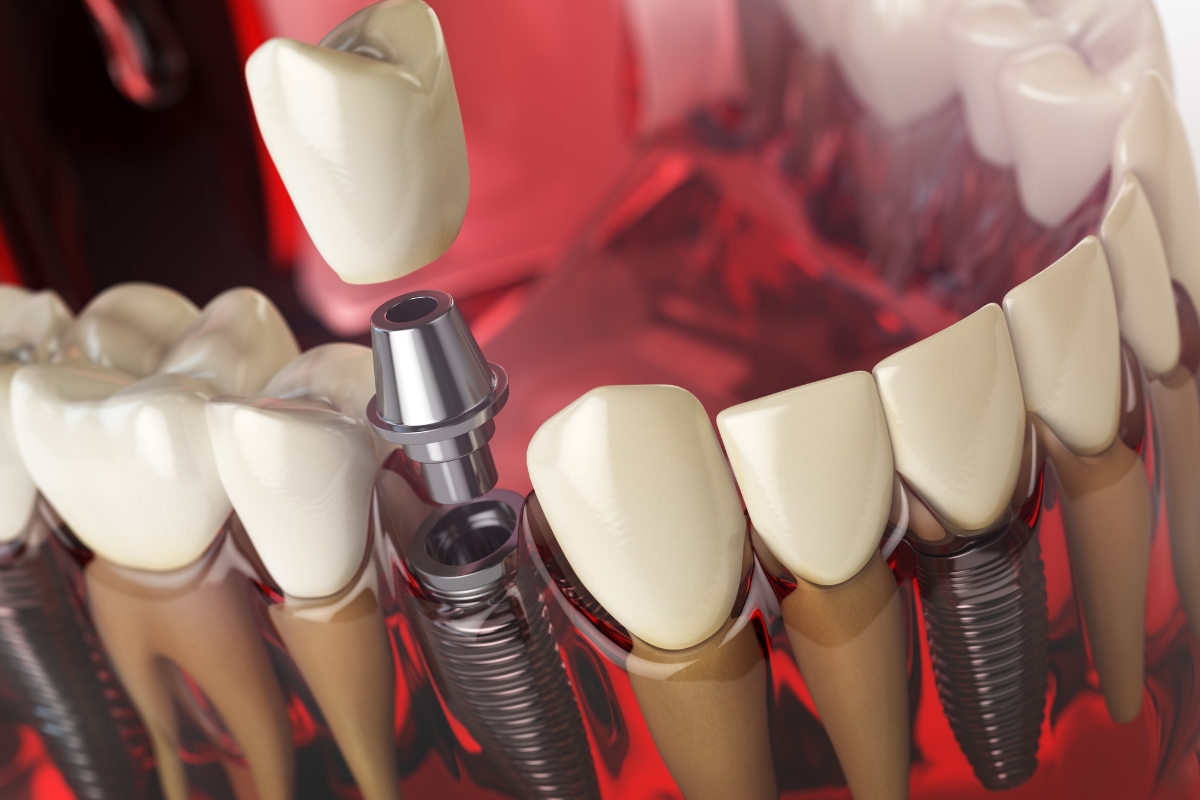
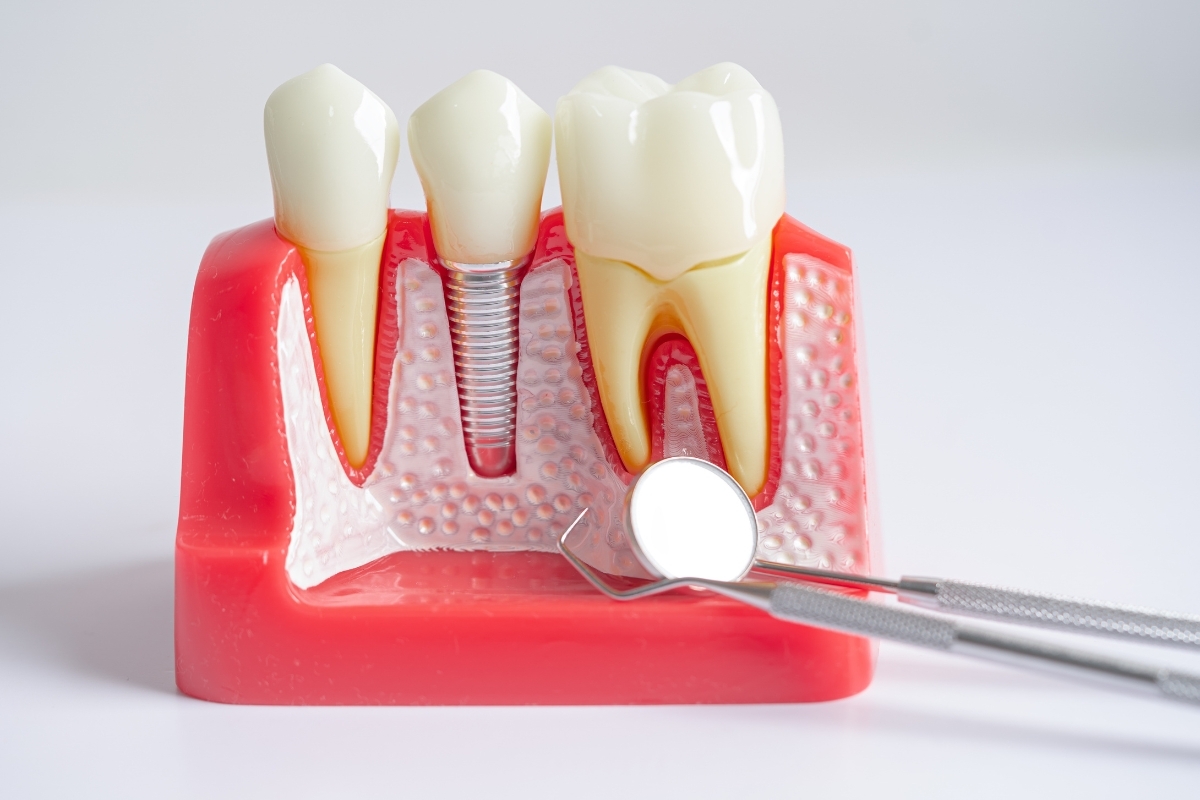
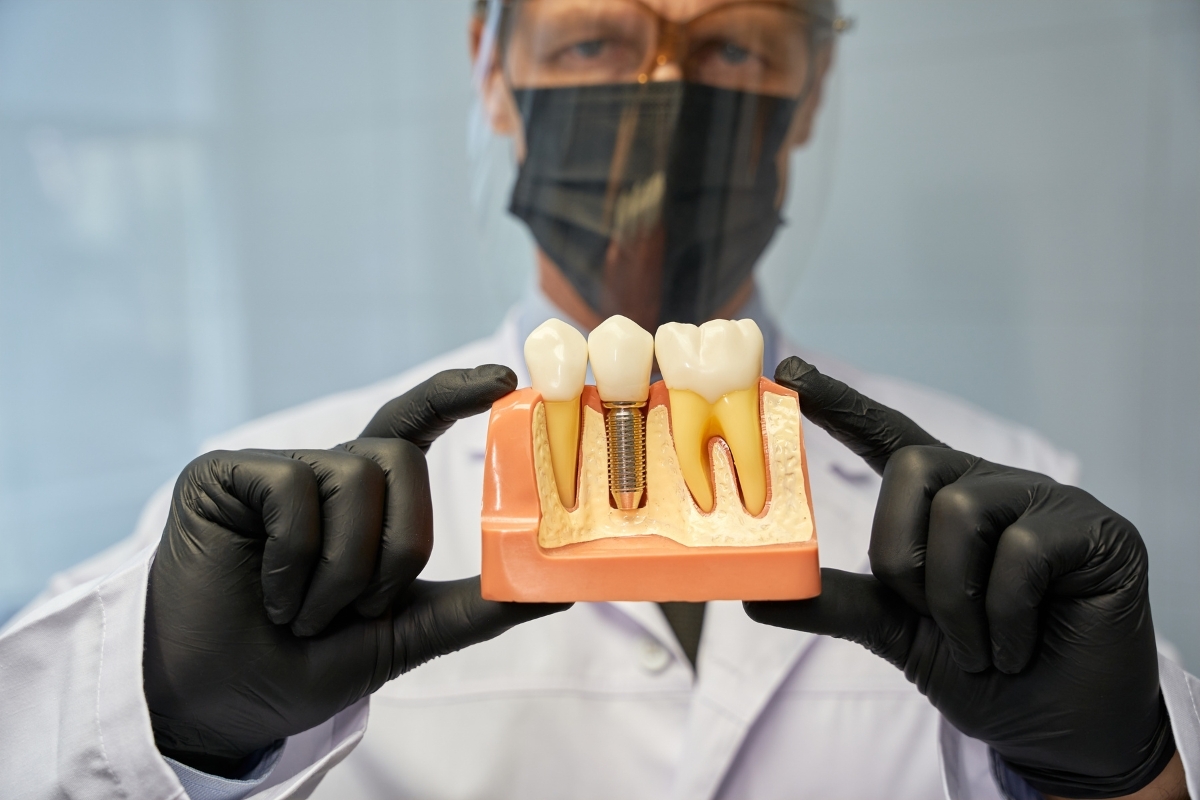
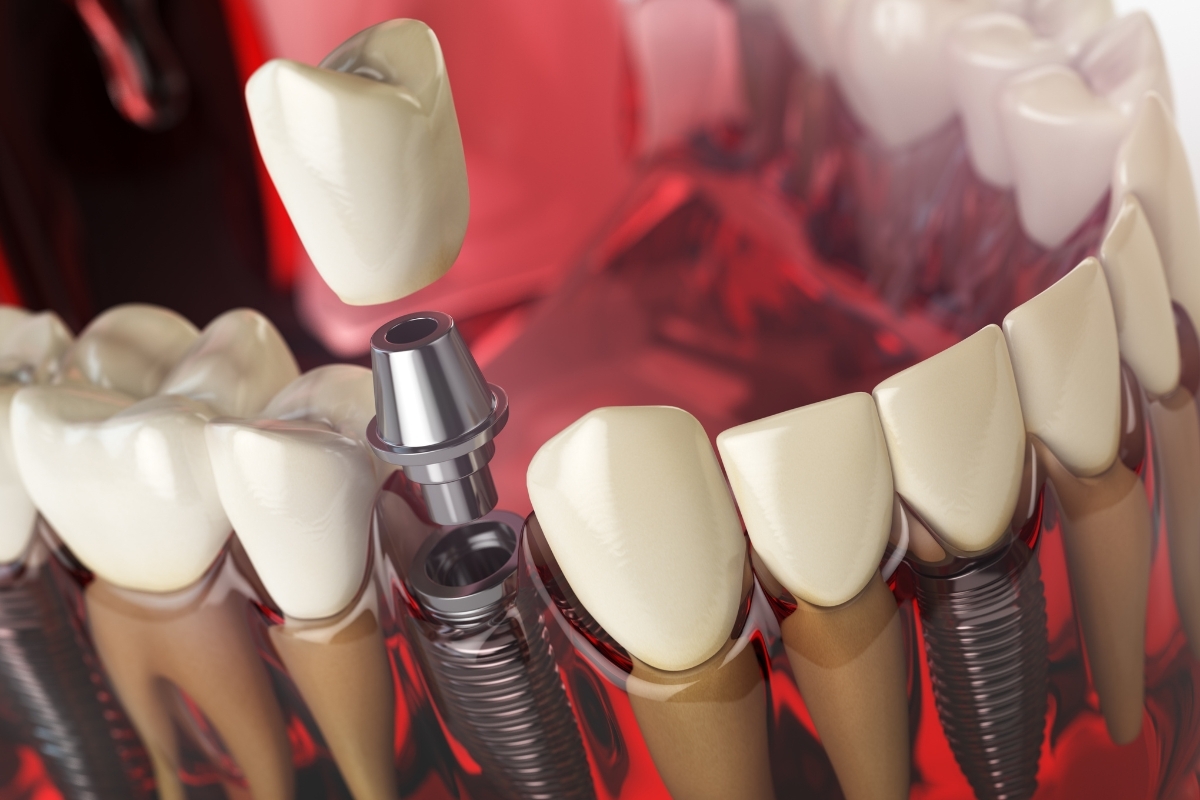
A healing cap is a small, dome-shaped component that attaches to the top of a dental implant right after it’s placed into the jawbone. Think of it as a protective placeholder that sits above the gumline while your implant integrates with the bone underneath.
Unlike the final crown, a healing cap isn’t meant to look like a tooth. Its job is purely functional at least for now.
Why Anterior Implants Need Extra Care
Front tooth implants are held to a higher standard than implants placed toward the back of the mouth. There are a few reasons for this:
- Visibility: Front teeth are seen every time you smile or talk, so aesthetics matter more.
- Thinner gum tissue: The gum tissue around front teeth is often thinner and more delicate.
- Precise gum shaping: Achieving a natural-looking gumline takes extra planning and time.
Because of these factors, the healing cap after implant surgery becomes especially important in the anterior region. It helps guide the healing process so the final result looks as natural as possible.
The Main Reasons Dentists Use a Healing Cap
1. Shaping the Gum Tissue
One of the most important jobs of a healing cap is guiding the gum tissue into the right shape as it heals. Without it, gum tissue can grow unpredictably, making it harder to achieve a natural-looking result later.
For front teeth, this shaping process directly affects how symmetrical and lifelike your future crown will appear.
2. Protecting the Implant Site
After surgery, the dental implant is vulnerable. A healing cap acts as a barrier, helping to:
- Prevent food particles from getting trapped in the area
- Reduce the risk of bacteria entering the healing site
- Minimize irritation from the tongue, lips, or cheeks
This protection supports smoother healing and lowers the chance of complications.
3. Supporting Osseointegration
Osseointegration is simply the process where the implant fuses with your jawbone the foundation of a strong, long-lasting implant. While this happens beneath the gumline, keeping the area stable and undisturbed on top matters too.
A healing cap helps maintain a calm, protected environment so this bonding process can happen without unnecessary interference.
4. Maintaining Space for the Final Restoration
Gum tissue can shift or close in surprisingly fast. The healing cap keeps a small opening available, so your dentist has clear, easy access when it’s time to attach the abutment and final crown.
Without this step, your dentist might need additional procedures later just to reopen the site.
What Patients Can Expect During Healing
Healing timelines vary from person to person, but here’s a general idea of what to expect:
- First few days: Mild swelling or tenderness is normal
- 1–2 weeks: Initial soft tissue healing begins
- 2–4 months: Osseointegration continues in the background
- Follow-up visit: Your dentist checks integration and gum shape before moving to the next step
Throughout this time, your dentist will monitor progress and let you know when you’re ready for the next stage, whether that’s a healing abutment adjustment or moving toward your final crown.
Tips for a Smooth Recovery
A little extra care during this phase can go a long way. Patients generally benefit from:
- Sticking to soft foods for the first several days
- Avoiding hard chewing directly on the implant site
- Practicing gentle oral hygiene as directed by your dentist
- Attending all scheduled follow-up appointments
If you ever notice unusual pain, swelling, or looseness around the healing cap, it’s best to contact your dental team right away rather than waiting.
Trusted Implant Care at Cielo Dental & Orthodontics
At Cielo Dental & Orthodontics in El Paso, TX 79932, our team understands how important front tooth aesthetics are to our patients. From the moment your implant is placed to your final restoration, we focus on precision, comfort, and results that look and feel natural.
If you’re considering an implant or currently healing from one, we’re here to guide you through every step including proper use and care of your healing cap after implant surgery.
Common Questions Patients Ask
Does the healing cap hurt once it’s placed?
Most patients feel little to no discomfort once initial swelling subsides. Any soreness is usually mild and manageable with over-the-counter pain relief, if needed.
How long do I need to wear a healing cap?
This varies, but it typically stays in place for a few weeks to a few months while the implant integrates and the gum tissue heals around it.
Can I eat normally with a healing cap on?
You’ll want to avoid hard or crunchy foods near the site, especially early on. Soft foods are recommended until your dentist gives you the go-ahead.
Will people be able to see the healing cap when I smile?
Since it’s not shaped like a tooth, it may be slightly noticeable up close. Many dentists offer a temporary tooth option for front teeth if appearance is a concern during healing.
What happens after the healing cap comes off?
Once healing is complete, your dentist removes the cap and attaches the abutment and final crown, completing your implant restoration.
Is it normal for the area to look a little different each week?
Yes. Gum tissue naturally changes shape as it heals, and this is part of the process working as intended.
Ready to Take the Next Step?
Understanding the purpose of a healing cap can make the implant journey feel a lot less intimidating and a lot more predictable. Whether you’re just starting to explore implants or you’re already in the healing phase, having the right team by your side makes all the difference.
Schedule your appointment today with Cielo Dental & Orthodontics in El Paso, TX, and let our experienced team guide you through a smooth, confident implant recovery.