6351 S Desert Blvd Ste 210, El Paso, TX 79932
Restorative Dentistry in El Paso
Whether you need partial or full dentures to restore your smile (or even just a single tooth), our Cielo Dental & Orthodontics in El Paso, TX team will focus on aesthetics, fit, and comfort to provide replacements that look like your natural teeth.
Restore your smile includes a vast list of dental services that we use to keep your teeth and gums healthy and your smile bright. For us it is all about smiles and having a confident, healthy, beautiful smile is important even for patients. Our practice provides personalized denture services that meet the needs and comfort levels of our patients. All of our patients are unique and we create one-of-a-kind dentures that feel good and look natural. While you keep your teeth as healthy as can be, we assist you with a variety of services.
Here’s How the Process Works
Schedule an Appointment
We understand that life can be wildly busy, so we work hard to find a time that works well for you.
Enjoy a Stress-Free Visit
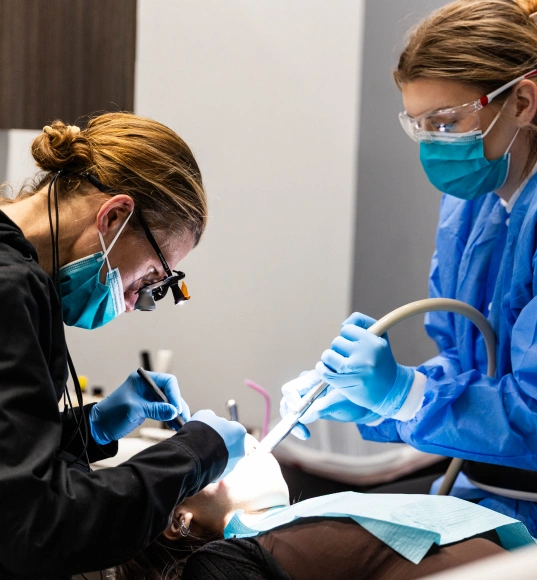
Even when it comes to simple cleanings and preventative care, we’re committed to making your dental visits as pleasant as possible.
Let Your Smile Shine!
Healthy teeth improve your overall quality of life, and make it so much easier to share bright, confident smiles.
When you trust our team with your dental needs, we’ll do a thorough evaluation to determine if restoring your smile is the right plan for you. At Cielo Dental & Orthodontics in El Paso, TX we always have the solution to restore the function of your teeth and improve your quality of life.
Restorative Dentistry Services
Our services for restoring your smile include:

It’s easy to put off appointments if you’re not in pain and dread them if you are. Our team goes above and beyond to make sure you are comfortable and your appointment is efficient. It’s our mission to make it easy for you to stay ahead in your oral health.
FAQs About Restorative Dentistry
Q. What is restorative dentistry?
A. Restorative dentistry focuses on repairing or replacing damaged, decayed, or missing teeth. Common treatments include fillings, crowns, bridges, dentures, implants, and root canals. The goal is to restore function, strength, and natural appearance.
Q. Who needs restorative dental treatment?
A. You may benefit from restorative care if you have:
- Cavities
- Cracked or worn teeth
- Missing teeth
- Old or failing dental work
- Tooth pain or sensitivity
Restorative dentistry helps improve both oral health and daily comfort.
Q. What is the difference between restorative and cosmetic dentistry?
A. Restorative dentistry focuses on repairing teeth to restore function and health. Cosmetic dentistry focuses on improving appearance. Many treatments, such as crowns or implants, can provide both functional and cosmetic benefits.
Q. How do I know which restorative treatment is right for me?
A. Your dentist will evaluate your teeth, take X-rays if needed, and discuss your goals. They will recommend the most appropriate treatment options based on your oral health, budget, and long-term needs.
Q. Are restorative dental procedures painful?
A. Most restorative treatments are comfortable and performed with local anesthesia to minimize discomfort. Modern techniques and materials help ensure a smooth and pain-free experience.
Q. How long do restorative dental treatments last?
A. Longevity varies depending on the type of treatment, your oral habits, and how well you maintain your teeth. Fillings may last several years, while crowns, bridges, and implants can last decades with proper care.
Q. Is replacing missing teeth necessary?
A. Yes. Missing teeth can cause shifting, bite problems, difficulty chewing, and bone loss. Restoring missing teeth with implants, bridges, or dentures helps protect your oral health and improve appearance.
Q. Are dental implants part of restorative dentistry?
A. Yes. Implants are a major component of restorative dentistry. They replace missing teeth by placing a biocompatible post in the jawbone, topped with a natural-looking crown for long-term stability.
Q. What materials are used in restorative dentistry?
A. Common materials include:
- Tooth-colored composite resin
- Porcelain
- Ceramic
- Zirconia
- Metal alloys (in select cases)
Modern materials are designed to be durable, safe, and visually natural.
Q. How long does restorative treatment take?
A. Treatment time depends on the procedure. Fillings may take 30–60 minutes, while crowns or bridges usually require two visits. Implants may take several months from start to finish due to healing times.
Q. Are restorative dental treatments covered by insurance?
A. Many insurance plans cover medically necessary restorative procedures, including fillings, crowns, and sometimes implants or dentures. Coverage varies, so your dental office can help verify your benefits.
Q. What happens if I delay restorative treatment?
A. Delaying treatment can lead to worsening decay, infection, tooth loss, and more expensive or complex procedures later. Early intervention helps maintain oral health and prevent complications.
Q. How should I care for my teeth after restorative treatment?
A. Maintain good oral hygiene by brushing twice daily, flossing regularly, and attending routine checkups. Avoid chewing extremely hard foods on new restorations, and follow any instructions your dentist provides.
Q. Can restorative dentistry improve my smile’s appearance?
A. Absolutely. While the primary goal is function and health, most restorative treatments are designed to look natural and enhance your smile’s overall appearance.