6351 S Desert Blvd Ste 210, El Paso, TX 79932


Losing a tooth whether from decay, injury, or gum disease can feel like more than a cosmetic setback. It affects how you chew, speak, and smile with confidence. If you’ve been researching missing teeth replacement options, you’ve likely come across three main paths: dentures, bridges, and dental implants.
But which one actually lasts? In this guide, we’ll break down why dental implants are widely considered the most durable solution for missing teeth replacement, how they compare to alternatives, and what to expect if you’re considering treatment at Cielo Dental & Orthodontics in El Paso, TX.
Why Missing Teeth Replacement Matters
A gap left by a missing tooth doesn’t just sit there quietly. Over time, it can lead to:
- Shifting of neighboring teeth into the empty space
- Bone loss in the jaw due to lack of stimulation
- Uneven bite pressure, which strains other teeth
- Changes in facial structure and appearance
This is why dentists rarely recommend “waiting it out.” Timely missing teeth replacement helps preserve your oral health, not just your smile.
The Three Main Options, Compared
1. Dentures
Dentures are removable and budget-friendly, making them a common first choice. However, they typically need to be relined or replaced every 5–7 years, and they don’t stop bone loss in the jaw.
2. Dental Bridges
Bridges fill the gap by anchoring a false tooth to the adjacent natural teeth. They’re more stable than dentures but usually last 10–15 years, and the process involves reshaping healthy teeth to support the bridge.
3. Dental Implants
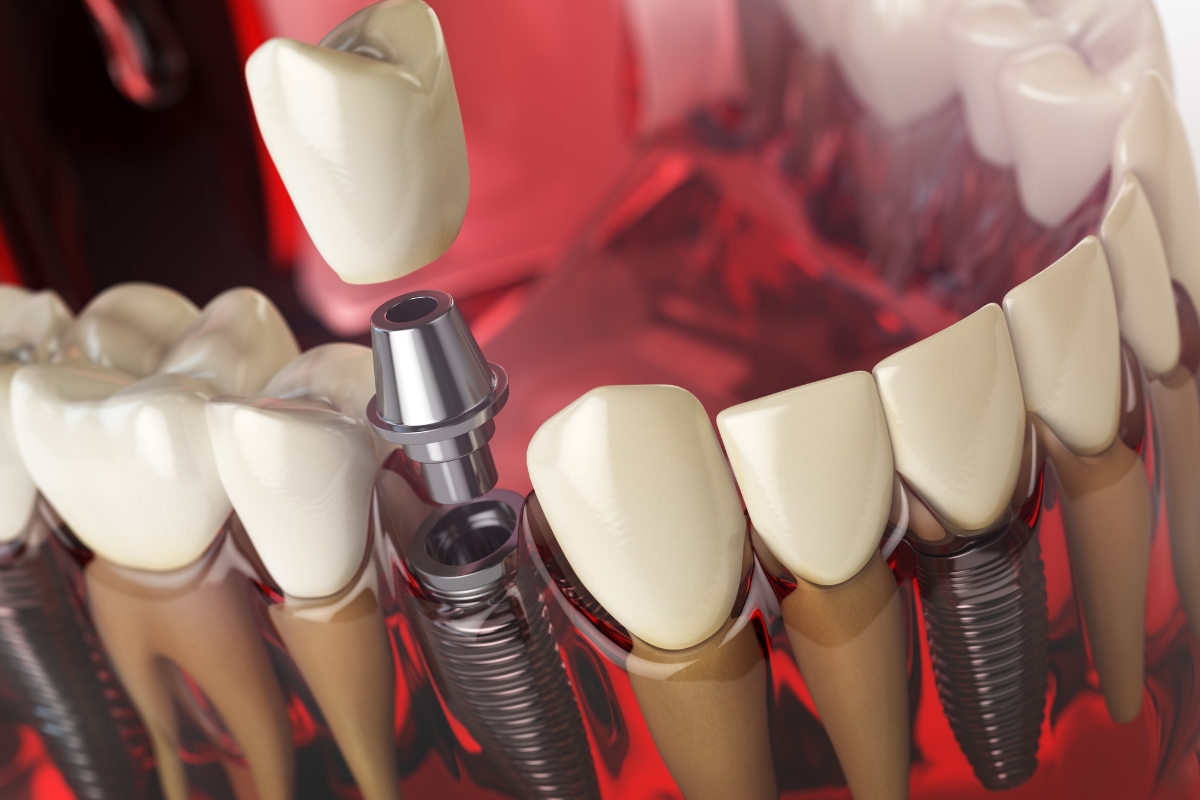
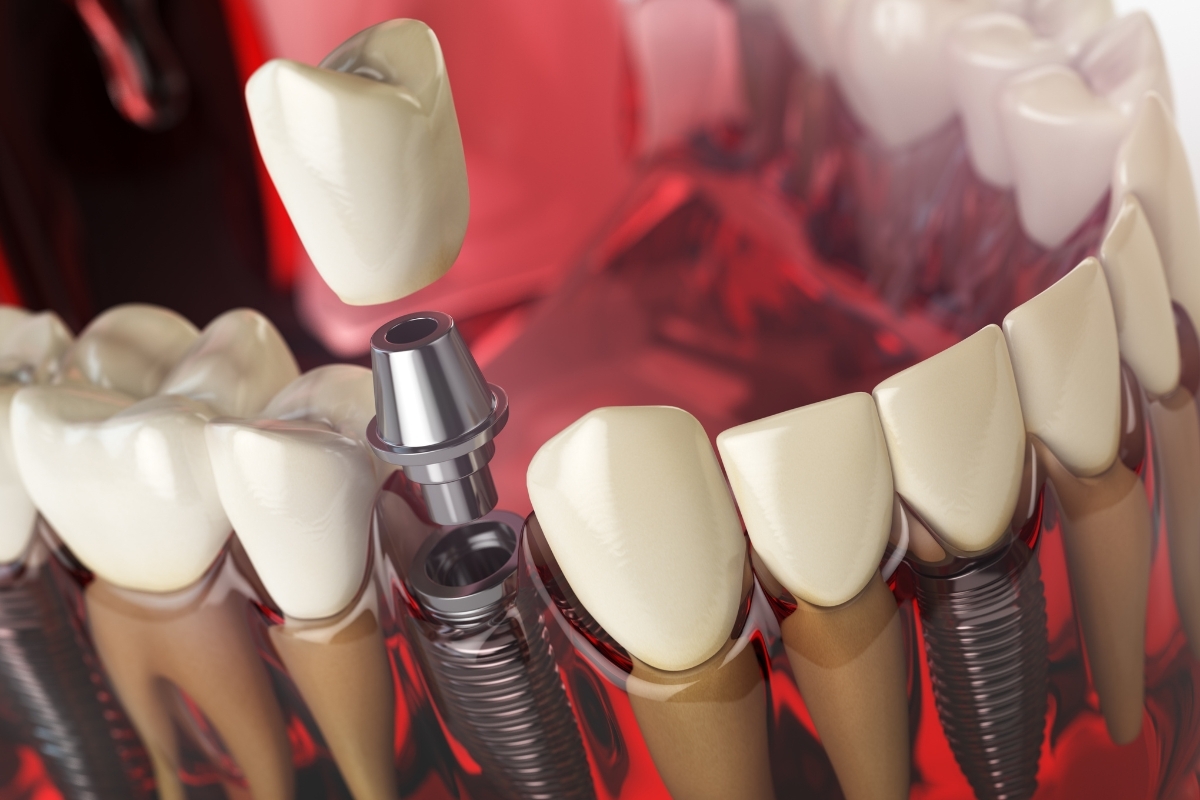
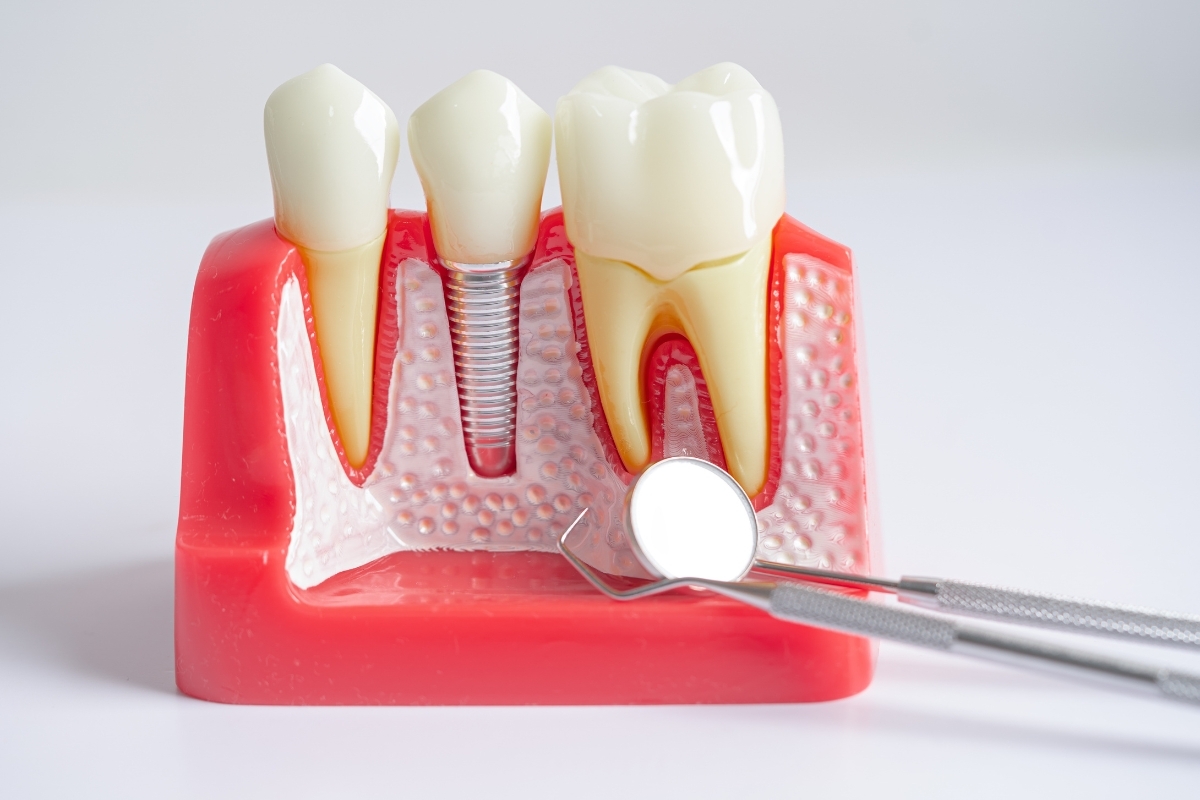
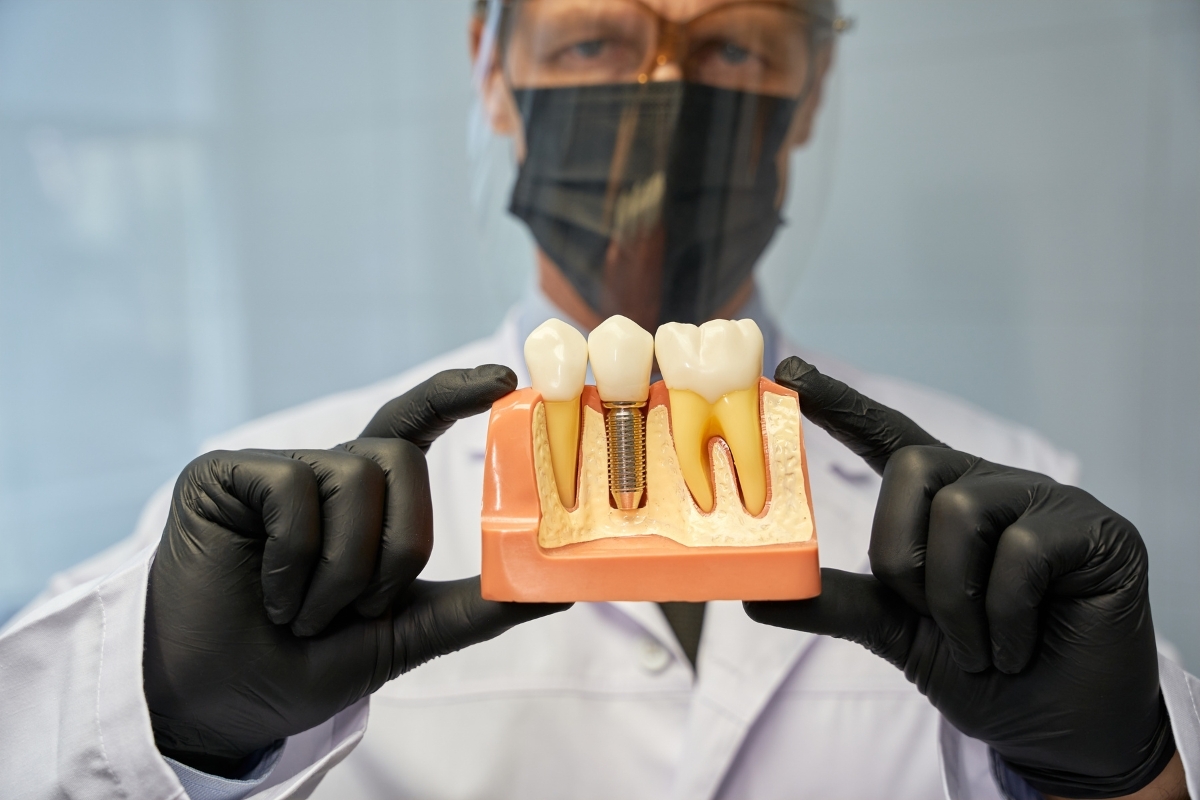
Implants replace the entire tooth structure root included with a titanium post surgically placed into the jawbone. A custom crown is then attached on top. With proper care, implants can last 20-plus years, and many patients enjoy them for a lifetime.
What Makes Dental Implants So Durable?
They Mimic Natural Tooth Roots
Because the implant post fuses with the jawbone through a process called osseointegration, it functions much like a natural tooth root. This gives it strength and stability that sit-on-top solutions simply can’t match.
They Prevent Bone Loss
Unlike dentures or bridges, implants stimulate the jawbone every time you bite or chew. This helps maintain bone density, which supports your facial structure over the long term.
They’re Built From Resilient Materials
Implants use biocompatible titanium (or zirconia) that resists decay entirely since it’s not a natural tooth, cavities aren’t a concern. The crown on top is typically made from durable ceramic or porcelain designed to withstand daily chewing forces.
They Don’t Rely on Neighboring Teeth
Bridges place extra pressure on adjacent teeth, which can weaken them over time. Implants stand independently, so your other teeth stay untouched and unaffected.
Are Dental Implants Right for Everyone?
While implants are a strong long-term option, they’re not automatically the right fit for every patient. Good candidates generally have:
- Sufficient jawbone density (or are eligible for bone grafting)
- Healthy gums, free of active periodontal disease
- Good overall health that supports minor oral surgery
- Realistic expectations about healing time (a few months for full integration)
A consultation is the best way to find out if implants make sense for your specific situation this is something our team at Cielo Dental & Orthodontics evaluates carefully with each patient.
Caring for Your Dental Implants
Durability isn’t just about the material it’s also about maintenance. To help your implant last as long as possible:
- Brush twice daily and floss around the implant crown
- Attend regular dental checkups and cleanings
- Avoid chewing on very hard objects like ice or hard candy
- Address teeth grinding (bruxism) with a nightguard if needed
With consistent care, implants have one of the highest long-term success rates of any tooth replacement option available today.
Cost Considerations
It’s true that dental implants often come with a higher upfront cost compared to dentures or bridges. However, when you factor in the fact that dentures and bridges typically need replacement every decade or so, implants can become more cost-effective over the span of a lifetime.
Many dental practices, including Cielo Dental & Orthodontics, offer financing options and will walk you through the investment during your consultation.
Final Thoughts: Choosing the Right Path for You
When it comes to missing teeth replacement, durability is only one piece of the puzzle comfort, budget, and your unique oral health all play a role. That said, for patients seeking a long-term, low-maintenance solution that protects jawbone health and function, dental implants consistently stand out as the strongest option available.
If you’re unsure which solution fits your needs, the best next step is a professional evaluation. Our team at Cielo Dental & Orthodontics, located in El Paso, TX 79932, is here to walk you through your options with honest, patient-first guidance.
Schedule your appointment today and take the first step toward a confident, complete smile.
Questions Patients Often Ask
How long does it take to recover from dental implant surgery?
Most patients return to normal activities within a few days, though full bone integration takes a few months. Your dentist will give you a personalized timeline based on your healing.
Does getting a dental implant hurt?
The procedure is done under local anesthesia (or sedation, if preferred), so discomfort during surgery is minimal. Mild soreness afterward is normal and manageable with over-the-counter pain relief.
Can I get a dental implant if I’ve lost bone in my jaw?
Often, yes. Bone grafting procedures can rebuild enough density to support an implant, even if you’ve experienced bone loss over time.
How do I know if I need a bridge, denture, or implant?
It depends on factors like the number of missing teeth, jawbone health, budget, and personal preference. A dental exam and consultation are the best way to get a clear recommendation.
Will a dental implant look and feel like a real tooth?
Yes. Implant crowns are custom-shaped and shaded to match your natural teeth, and because the implant is anchored in the jaw, it feels stable when chewing and speaking.
What happens if I don’t replace a missing tooth?
Over time, you may notice shifting teeth, bone loss, bite problems, and changes to your facial appearance. Replacing the tooth sooner rather than later helps prevent these complications.