6351 S Desert Blvd Ste 210, El Paso, TX 79932


Have you ever wondered why some dental implants last decades while others fail within a few years? The answer often has little to do with the implant itself and everything to do with how your teeth come together when you bite down. Understanding the link between occlusion and dental implants can mean the difference between a smile that lasts a lifetime and one that runs into painful, costly complications.
At Cielo Dental & Orthodontics in El Paso, TX 79932, we see this connection play out every day. Patients often assume that once an implant is placed, the hard part is over. In reality, how your bite is balanced afterward is just as critical as the surgery itself.
In this article, we’ll break down what occlusion means, why it matters so much for implant success, and what you can do to protect your investment in a healthy, functional smile.
What Is Occlusion, Exactly?
In simple terms, occlusion refers to how your upper and lower teeth fit together when your jaw closes. Think of it as the “handshake” between your top and bottom teeth.
A healthy occlusion means:
- Bite forces are spread evenly across all teeth
- No single tooth or implant absorbs excessive pressure
- Your jaw muscles and joints work without strain
When this balance is off, even a small misalignment can create big problems, especially for dental implants.
Why Occlusion and Dental Implants Are So Closely Linked
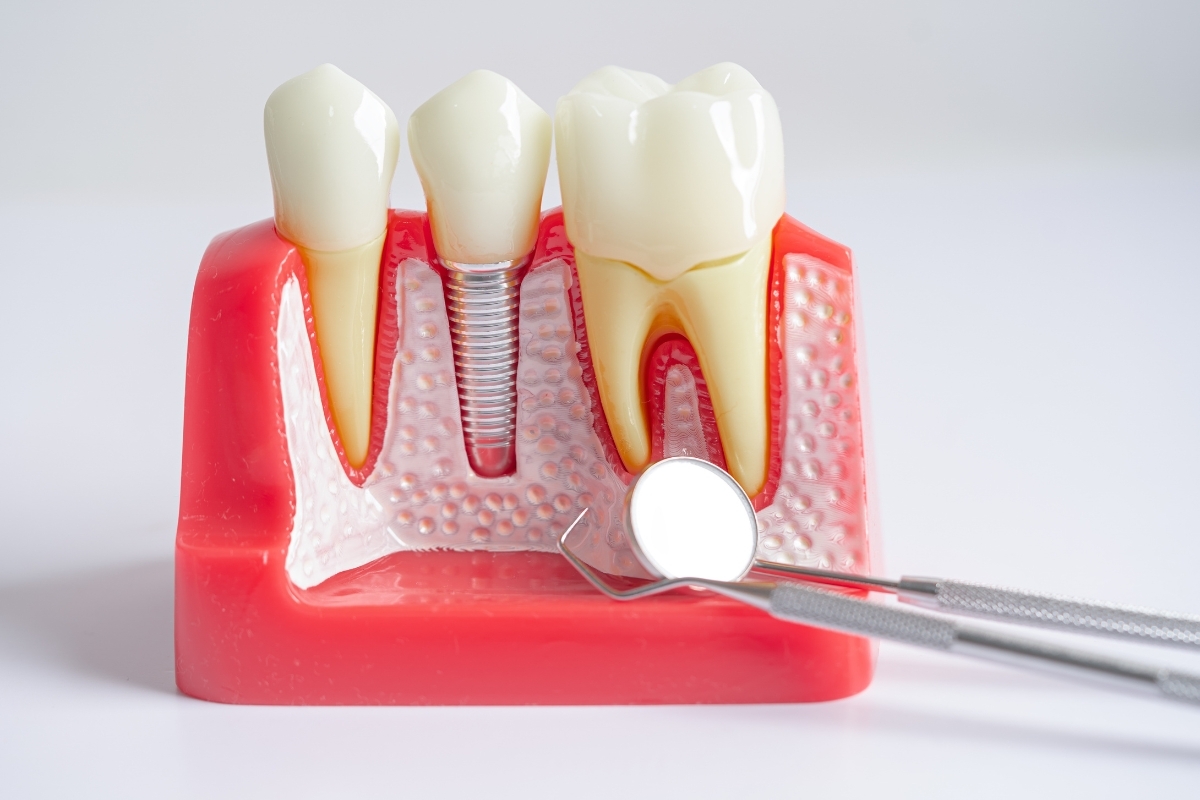
Natural teeth have a built-in shock absorber called the periodontal ligament. This soft tissue cushions teeth from the pounding forces of chewing, grinding, and biting.
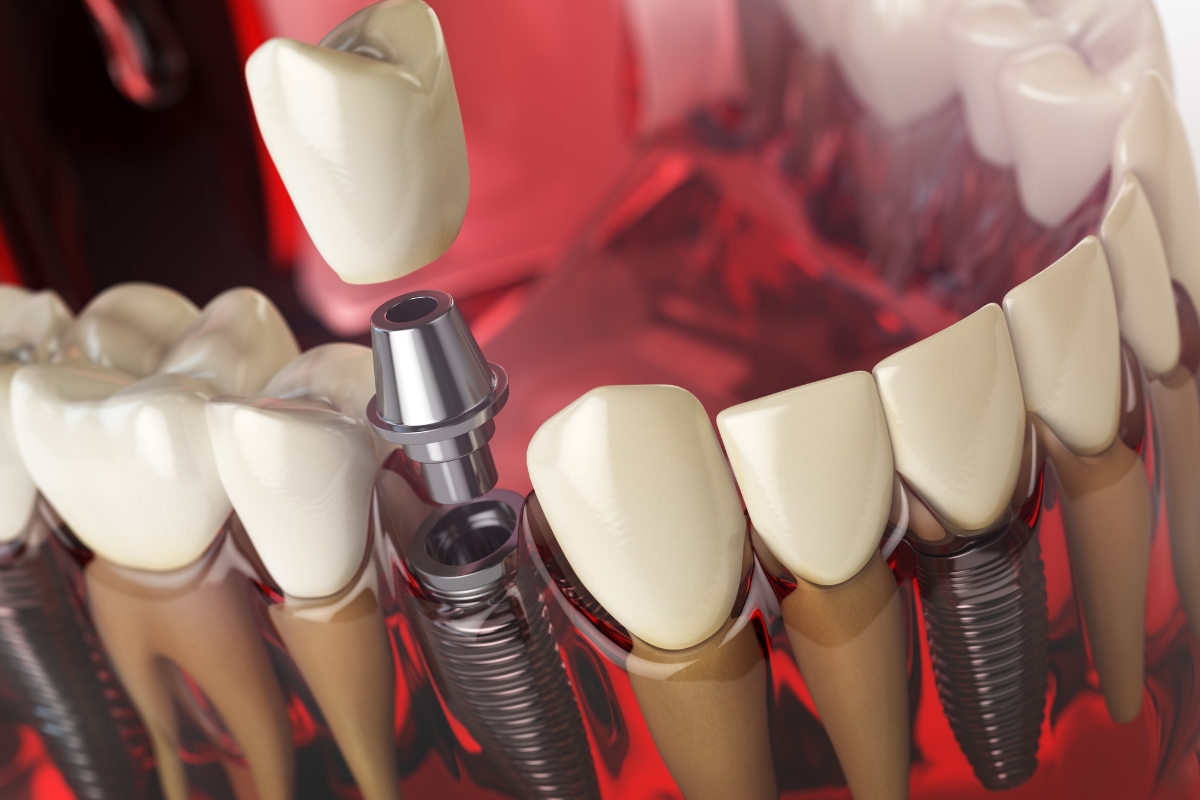
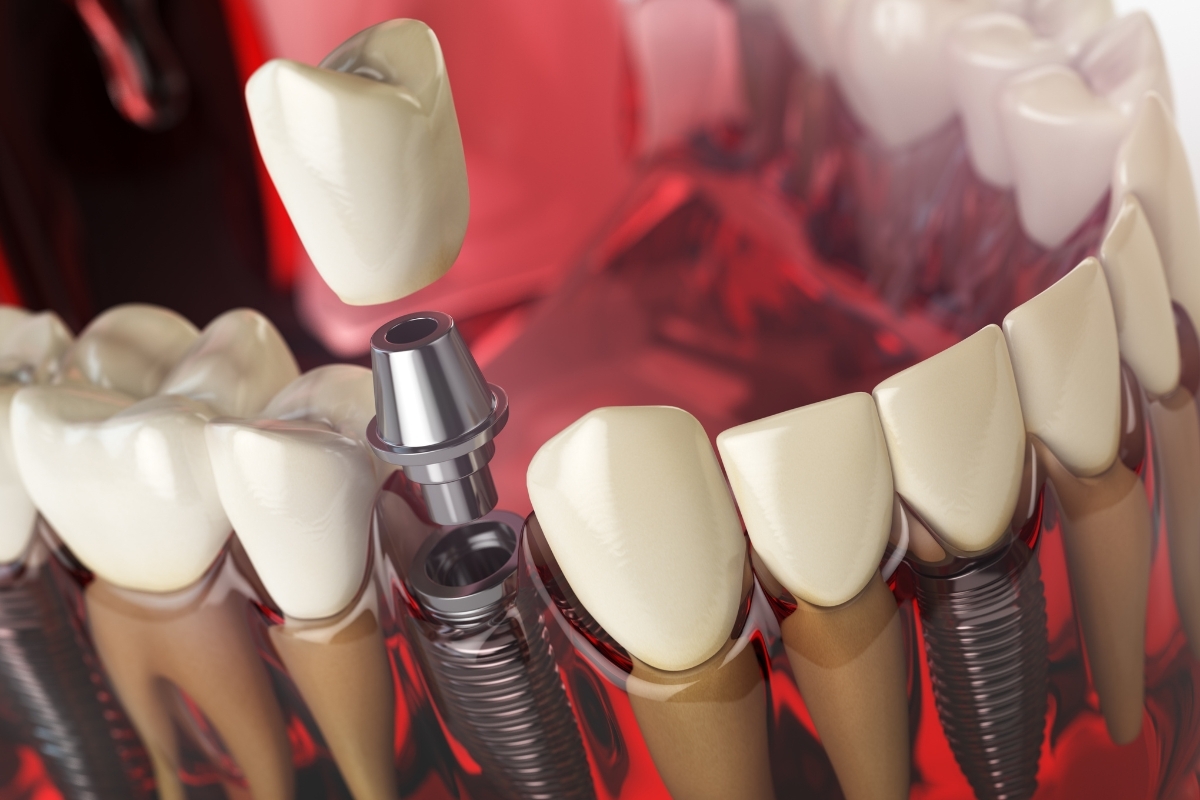
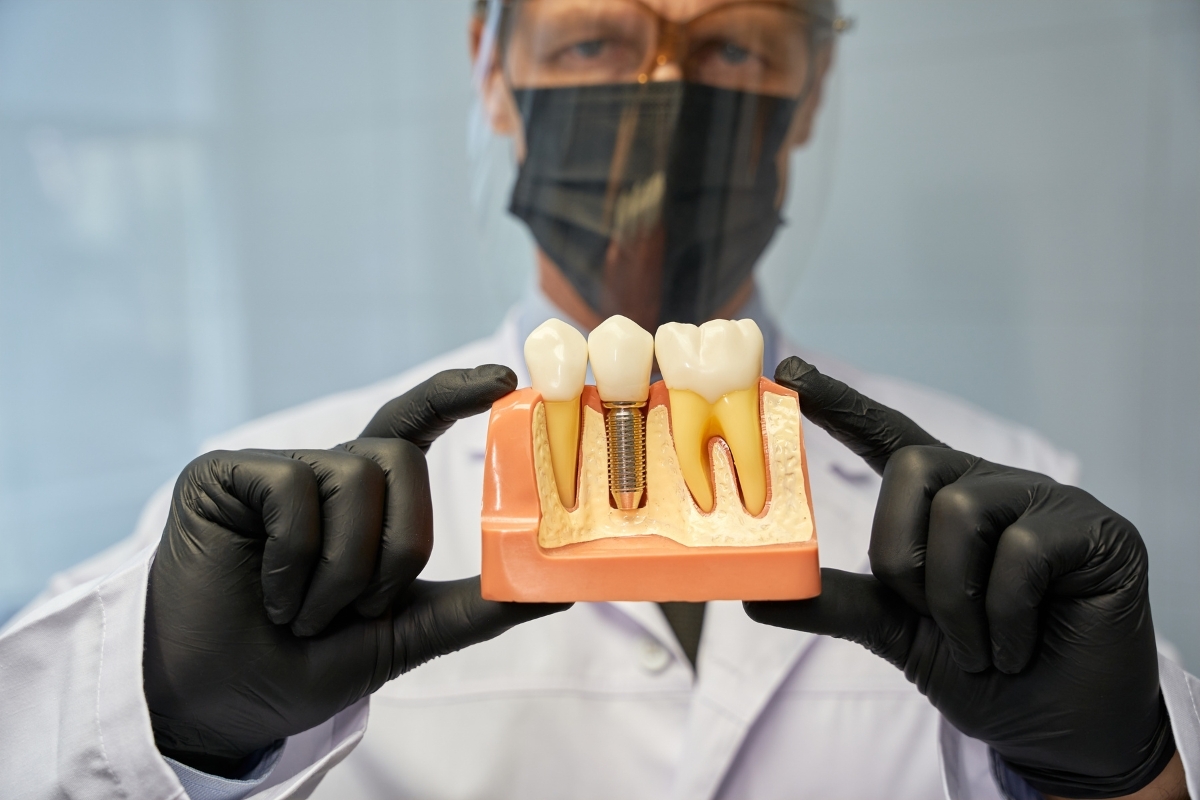
Dental implants don’t have this cushion. They’re fused directly to the jawbone through a process called osseointegration. This makes them incredibly strong, but it also means implants feel every bit of bite force directly, with no natural buffer to soften the impact.
This is the core reason occlusion and dental implants must be evaluated together. Without a properly balanced bite, an implant can be exposed to forces it simply wasn’t designed to handle.
What Happens When Occlusion Is Off?
Poor bite alignment around an implant can lead to a range of issues, including:
- Excessive stress on the implant crown, leading to chipping or fracture
- Loosening of the implant screw over time
- Bone loss around the implant, a condition sometimes called peri-implantitis when combined with inflammation
- Jaw pain or headaches from uneven muscle strain
- Premature implant failure, requiring costly replacement
None of these outcomes are inevitable, but they become far more likely when occlusion isn’t carefully managed before, during, and after implant placement.
How Dentists Evaluate Occlusion Before Implant Placement
Before your implant procedure even begins, a thorough bite assessment sets the stage for long-term success. This typically includes:
1. Digital Bite Analysis
Modern tools can map exactly where and how hard you bite, identifying pressure points that could put future implants at risk.
2. Jaw Movement Assessment
Your dentist observes how your jaw moves side to side and front to back, since implants must withstand these dynamic forces, not just straight-down pressure.
3. Review of Grinding or Clenching Habits
Conditions like bruxism (teeth grinding) place extra strain on implants. If this applies to you, your dentist may recommend a nightguard to protect your new implant.
Taking these steps early helps prevent the complications that come from ignoring the relationship between occlusion and dental implants until after problems arise.
Adjusting Occlusion After Implant Placement
Bite balance isn’t a one-time fix. Your dentist will likely fine-tune your occlusion at multiple points during treatment.
- Immediately after placement, to ensure the crown doesn’t bear excessive early force
- During healing, as surrounding tissue and bone adapt
- At follow-up visits, since bites can shift subtly over time due to wear, aging, or changes in other teeth
This ongoing attention is what separates a well-maintained implant from one that’s quietly heading toward failure.
Signs Your Bite May Be Affecting Your Implant
You don’t need to be a dental expert to notice warning signs. Reach out to your dentist if you experience:
- Soreness or tenderness around the implant when chewing
- A feeling that the implant crown sits “higher” than surrounding teeth
- Clicking, popping, or discomfort in your jaw joint
- Visible wear or flattening on the implant crown
- Loosening or shifting sensation around the implant site
Catching these signs early allows for simple adjustments instead of major repairs down the road.
Why Choosing the Right Dental Team Matters
Not every dental provider places the same emphasis on occlusion during implant planning. This is where experience makes a real difference.
At Cielo Dental & Orthodontics, our team takes a comprehensive approach to implant care, factoring in bite alignment, jaw function, and long-term durability rather than treating the implant as an isolated procedure. This whole-mouth perspective is what helps our patients in El Paso enjoy implants that function comfortably for years to come.
Conclusion: Protect Your Smile With Balanced Occlusion
The success of your dental implant depends on more than surgical skill alone. The ongoing relationship between occlusion and dental implants plays a central role in whether your new tooth thrives or struggles.
By understanding this connection and working with a dental team that prioritizes bite balance, you’re setting yourself up for a stronger, longer-lasting result.
Schedule your appointment today with Cielo Dental & Orthodontics in El Paso, TX 79932, and let our team help you achieve a healthy, well-balanced smile built to last.
Questions Patients Often Ask
Will I be able to feel if my bite is uneven after getting an implant?
Sometimes, yes. You might notice one tooth feels slightly “taller” or that chewing feels different on one side. If so, a quick adjustment visit usually resolves it.
Does an uneven bite mean my implant will definitely fail?
Not necessarily. Many bite issues are minor and easily corrected. The key is addressing them early rather than waiting until discomfort becomes pain.
How soon after implant surgery will my bite be checked?
Your dentist will typically evaluate your bite during your initial healing appointments and again once the final crown is placed.
Can teeth grinding really damage a dental implant?
Yes, grinding puts significant extra force on implants. A custom nightguard is a simple, effective way to protect your investment.
Is bite adjustment painful?
No. Adjustments are typically quick, comfortable, and involve gently reshaping small areas of the crown’s surface.
How often should my implant’s bite be checked after treatment?
Routine dental checkups, usually every six months, are a good opportunity to confirm your bite remains balanced and your implant is functioning well.