6351 S Desert Blvd Ste 210, El Paso, TX 79932



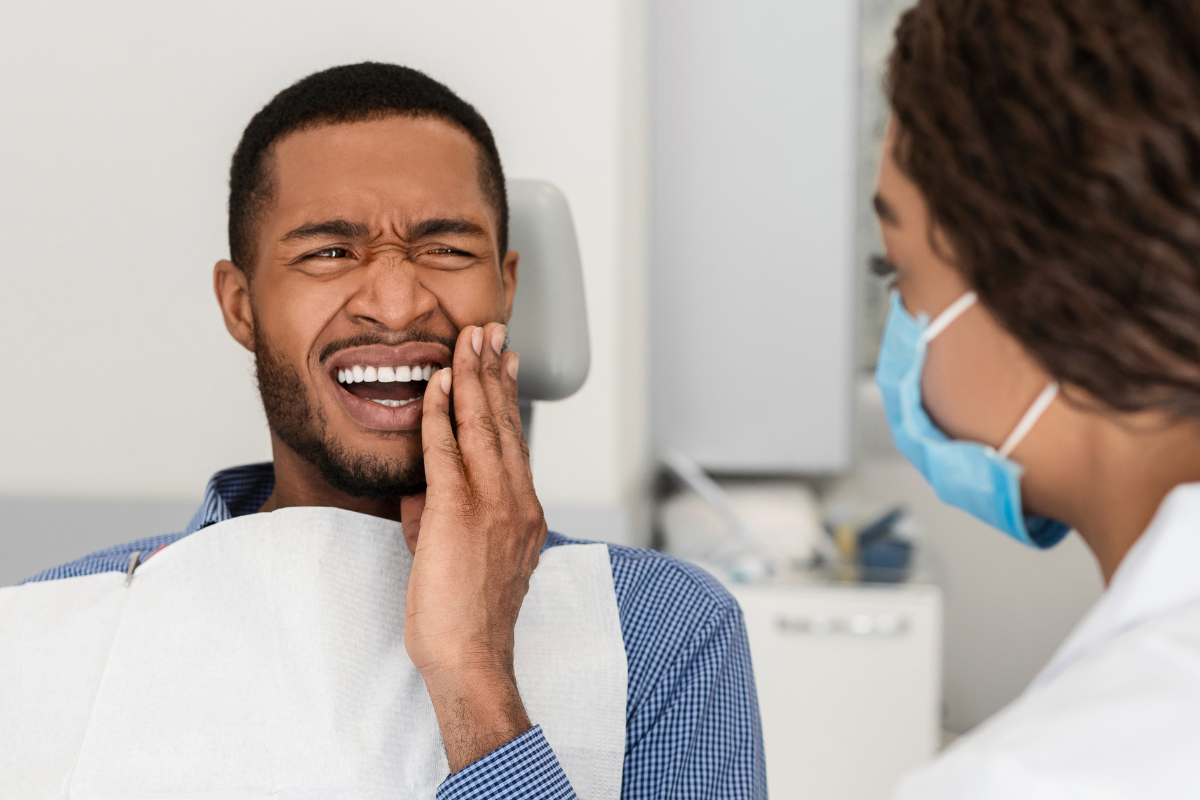
Dental emergencies tend to strike when you least expect them. One minute you’re biting into your lunch at a local El Paso eatery, and the next, you’re holding a cracked tooth in your hand. Whether it’s a sudden toothache, a lost filling, or a sports injury that knocks a tooth loose, knowing what to expect when visiting an emergency dentist in El Paso can bring some peace of mind during an uncomfortable situation.
In moments of distress, the more prepared you are, the quicker you’ll be able to act—and the better your chances of saving your tooth, easing your pain, and avoiding long-term issues.
When Is It a Dental Emergency?
Before we dive into what happens during an emergency dental visit, it’s important to know what qualifies as a dental emergency. Not every dental issue requires immediate care, but the following conditions typically warrant urgent attention:
- Severe tooth pain or pressure
- Knocked-out (avulsed) tooth
- Cracked or fractured teeth
- Uncontrolled bleeding from the mouth
- Swelling or abscess near the gums or jaw
- Lost or broken dental restorations (crowns, fillings)
- Trauma to the mouth or face
If you’re experiencing any of these, especially if the pain is interfering with daily life or there’s risk of infection, it’s time to call an emergency dentist in El Paso without delay.
Making the Call: What to Say
When you call the dental office, be clear and specific about your symptoms. Mention how long you’ve been in pain, whether swelling or bleeding is present, and if any teeth have been dislodged. Most emergency dental clinics in El Paso have flexible schedules and reserve time for urgent cases, especially during weekdays.
Providing this information allows the dental team to prepare for your arrival and prioritize care based on the severity of your situation.
Preparing for the Visit
If possible, bring the following to your appointment:
- Your ID and dental insurance card
- Any dental appliances or dislodged teeth/restorations
- A list of medications you’re taking
- A friend or family member if you’re in severe discomfort
If a tooth has been knocked out, handle it carefully by the crown, not the root. Try to place it back into the socket, or store it in milk or saliva until you arrive.
Arrival and Assessment
When you walk into a dental office in El Paso for emergency care, the staff’s first goal is to ease your pain and evaluate the problem. You’ll typically be asked to complete brief paperwork unless you’re a returning patient.
After a short wait, the dentist el paso will begin by listening to your concerns, examining your mouth, and possibly taking digital X-rays. This helps determine the cause of the problem and the best way to treat it quickly.
Pain Management Comes First
Pain relief is always a priority. Depending on your condition, the dentist may numb the affected area right away. If the pain is related to an infection or abscess, you may also be prescribed antibiotics or anti-inflammatory medication to reduce swelling before further treatment can be done.
In more severe cases, such as facial trauma or uncontrollable bleeding, the dentist may collaborate with a nearby hospital or oral surgeon for specialized care.
Emergency Treatment Options
The exact treatment will depend on the nature of your emergency:
- For severe decay or infection, a root canal may be performed to remove the damaged pulp and relieve pressure.
- If you’ve broken a tooth, the dentist may bond the tooth, place a crown, or perform an extraction if it’s beyond repair.
- For knocked-out teeth, the sooner the tooth is re-implanted, the better. Time is critical—ideally within 30 to 60 minutes.
- Lost fillings or crowns may be replaced temporarily or permanently, depending on the tooth’s condition.
Some procedures might require a follow-up visit, especially if swelling or infection is involved. Your dentist in El Paso will walk you through each step, including aftercare instructions.
After the Visit: Recovery and Follow-Up
Following your emergency appointment, it’s important to stick to your dentist’s care instructions. This might include avoiding hard or sticky foods, taking medications as directed, and keeping the area clean.
Most dental offices in El Paso schedule a follow-up visit to ensure healing is progressing as expected and to complete any long-term restorative work needed.
Keep in mind, your emergency treatment is often just the beginning. Many patients use this opportunity to address underlying issues and establish a long-term care plan to prevent future emergencies.
Tips to Avoid Future Emergencies
While some emergencies are unavoidable, others can be prevented with smart dental habits. Here’s what El Paso residents can do to reduce the risk:
- Don’t use your teeth to open bottles or packages.
- Wear a mouthguard during contact sports.
- Avoid chewing ice or hard candies.
- Keep up with regular checkups and cleanings every six months.
- Address small dental issues early—before they turn into major problems.
Final Thoughts
Dental emergencies don’t operate on a 9-to-5 schedule, and when they strike, knowing where to go and what to expect can make a world of difference. Whether it’s a broken molar or a sudden abscess, swift action is the key to avoiding long-term complications.
If you find yourself in pain and unsure where to turn, don’t hesitate to reach out to a trusted emergency dentist in El Paso. From the moment you walk through the door, the goal is simple: get you out of pain and back on track toward a healthy, comfortable smile.
For compassionate and prompt emergency dental care, Cielo Dental & Orthodontics is here for the El Paso community when you need it most.