6351 S Desert Blvd Ste 210, El Paso, TX 79932


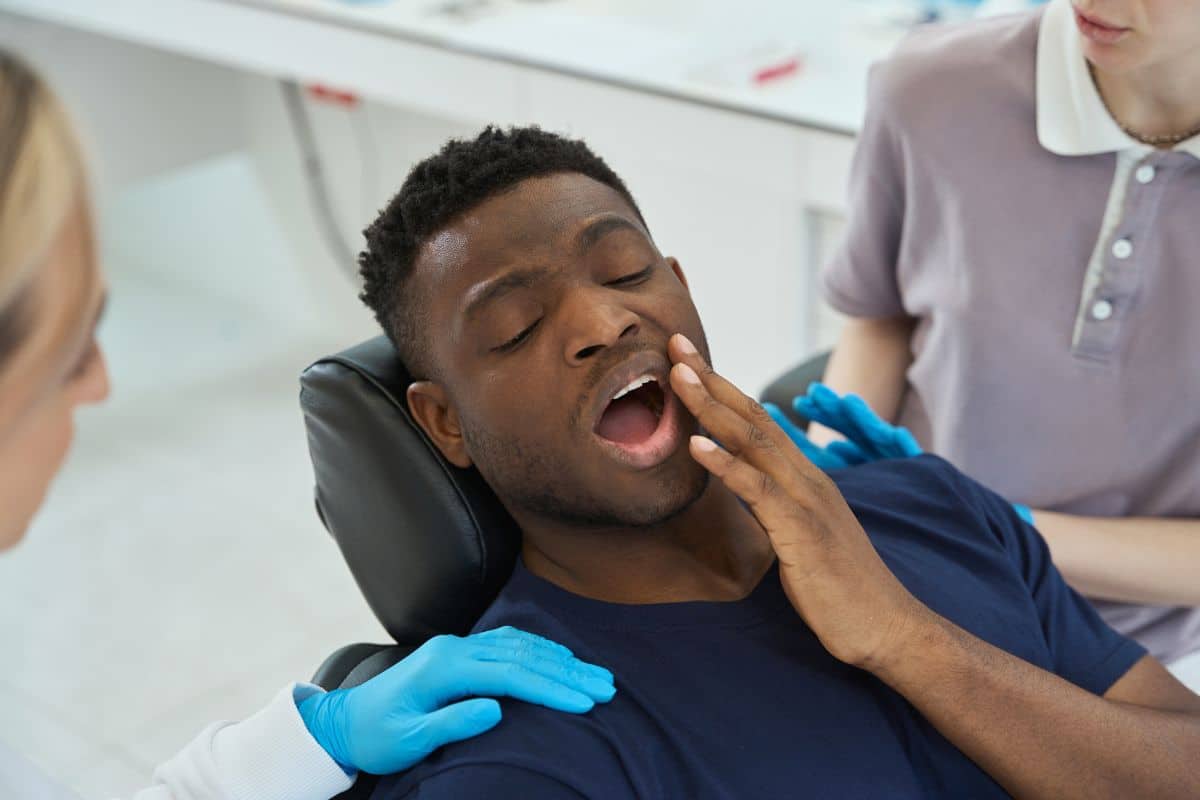
You never expect a dental emergency until it happens. One moment, you are enjoying dinner or cheering at a game, and the next, you feel a sharp crack, sudden swelling, or intense tooth pain that cannot be ignored. Dental emergencies move fast. A delay of even a few hours can worsen pain, increase the risk of infection, or make it harder to save a damaged tooth. That is why knowing where to turn for reliable emergency dental care in El Paso is so important.
Before panic takes over, here is what you should know when an unexpected dental problem happens.
Is What You Are Feeling Right Now Actually a Dental Urgency?
Not every twinge means trouble, but certain symptoms demand same-day attention. Here is how to tell the difference:
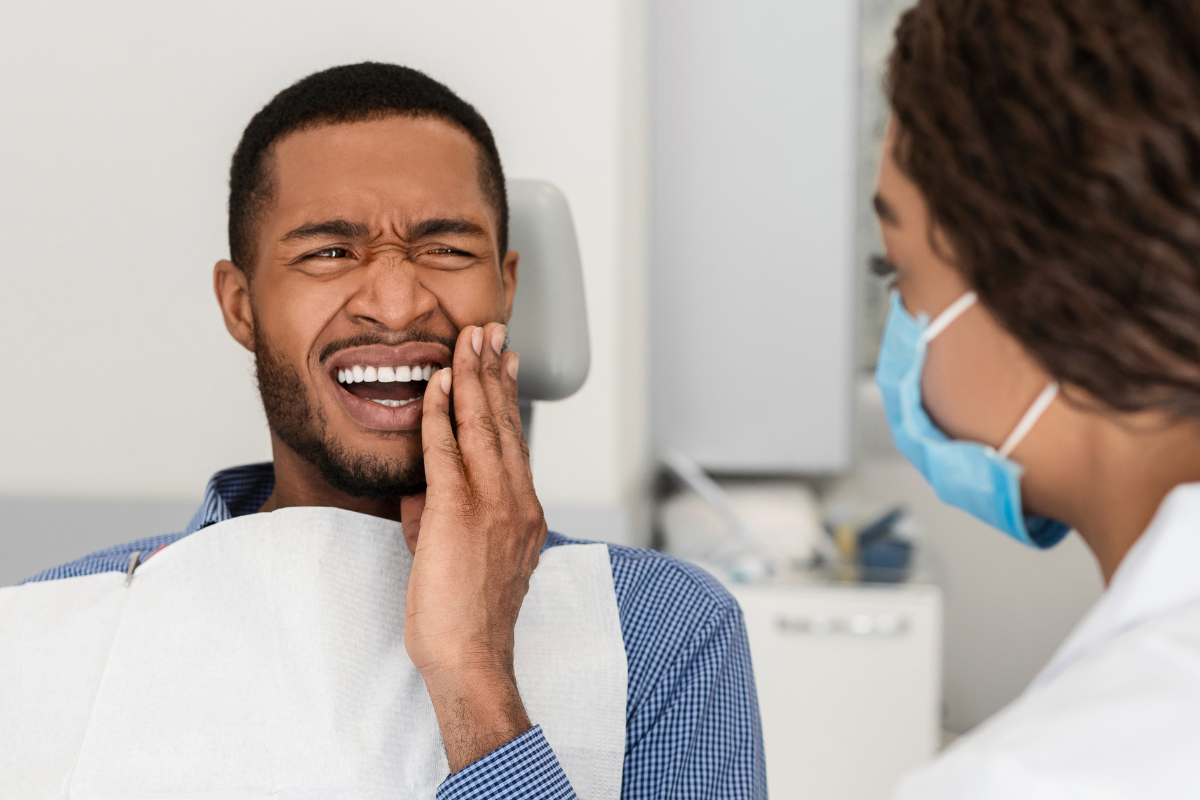
- Severe, throbbing discomfort: Pain that does not ease with over-the-counter relief and keeps worsening is a warning sign.
- Visible swelling: Swelling in the gums, jaw, or face can indicate a spreading dental abscess, a bacterial infection that can become serious quickly.
- A knocked-out or displaced tooth: Time is critical here. A tooth that has been fully knocked out has the best chance of being saved within 30 to 60 minutes.
- A broken or fractured tooth: Sharp edges can cut soft tissue and expose the nerve, making every bite unbearable.
- Bleeding that will not stop: Uncontrolled oral bleeding after an injury needs professional attention, not just gauze and patience.
If any of these apply to you, stop waiting and call your dental care provider immediately.
What Happens to Your Tooth When You Wait Too Long?
This is the part most people do not think about until it is too late.
El Paso summers are intense. The heat, combined with dehydration, dry mouth, and a diet that often includes spicy, acidic foods, can accelerate the progression of an oral infection faster than you might expect. A dental abscess that starts as a mild ache can spread to the jawbone, neck, or even become a systemic issue if bacteria enter the bloodstream.
Here is the progression timeline that no one warns you about:
- Day 1 to 2: Localized discomfort and minor swelling. Easily treatable with a focused procedure.
- Day 3 to 5: Infection spreads. More tissue becomes involved. Treatment becomes more complex.
- Beyond day 5: Risk of cellulitis (a soft tissue infection) or bone involvement increases significantly. Hospitalization becomes a possibility in severe cases.
Waiting for the discomfort to pass is one of the costliest decisions a patient can make, both for their oral health and their wallet.
What Does a Same-Day Dental Visit Look Like?
Many people avoid calling because they do not know what to expect. Here is a clear picture of a typical visit to an emergency dental care in El Paso:
- Focused intake: Your provider asks about your symptoms, how long they have been present, and any relevant medical history.
- Digital X-rays: These reveal what is happening beneath the surface, including bone loss, abscess formation, and fracture lines invisible to the naked eye.
- Accurate diagnosis: The dentist identifies the exact source of the problem, whether it is a cracked tooth, pulp infection, failed restoration, or a periodontal abscess.
- Immediate treatment or stabilization: Depending on the diagnosis, treatment may include a root canal, extraction, antibiotics, or a temporary restoration to protect the tooth until a full solution is ready.
- Clear follow-up plan: You leave knowing exactly what comes next, with no guesswork.
The goal is to relieve your discomfort, stop the problem from progressing, and give you a path forward on the same day you walk in.
Could Your Daily Habits Lead to a Sudden Dental Crisis?
El Paso is a city that runs on hustle. Early mornings, long commutes across a sprawling metro, and evenings spent at family gatherings near the Wyler Aerial Tramway are all part of the rhythm here. At that pace, certain habits quietly increase your risk of an unexpected oral health event.
Watch for these common contributing factors:
- Untreated cavities: A cavity that has been “manageable” for months can suddenly reach the nerve, turning minor sensitivity into acute discomfort overnight.
- Old or failing restorations: Crowns and fillings do not last forever. A restoration that is more than ten years old may be on borrowed time.
- Nighttime grinding (bruxism): Many El Paso residents carry stress in their jaw without knowing it. Grinding weakens teeth gradually until one finally gives way under normal chewing pressure.
- Skipping routine cleanings: The buildup of calculus (hardened plaque) below the gumline can trigger a periodontal abscess that appears suddenly and painfully.
Preventive care eliminates most of these risks before they become urgent situations. But when prevention is no longer an option, fast action is everything.
When You Need Trusted, Fast Care in El Paso, We Are Here!
Dental urgencies do not discriminate. They happen to careful patients and careless ones, to teenagers and retirees, to people who visit the dentist every six months and those who have not gone in years. What matters is what you do the moment something goes wrong.
At Cielo Dental and Orthodontics, we’re proud to be a trusted part of the El Paso community, especially when families need us the most. Emergency dental care in El Paso isn’t just about quick service. It is about feeling cared for in a space where your concerns are genuinely taken to heart, where we explain everything clearly, and where we’re ready to act quickly to support you. Visit our dental office in El Paso and experience care that puts your comfort and health first, from the moment you call to the moment you walk out with a real solution.
Do not let a sudden oral health problem derail your day, your week, or your health. Whether you are dealing with sudden discomfort, a broken tooth, or something that just does not feel right, reaching out early always leads to better outcomes.
Frequently Asked Questions (FAQ’s)
What should I do if my tooth gets knocked out completely?
Pick it up by the crown, not the root. Rinse it gently without scrubbing and try to place it back in the socket. If that is not possible, keep it in milk or between your cheek and gum. Get to a dental office within 30 to 60 minutes for the best chance of saving it.
Can I go to an urgent care clinic instead of a dental office for oral pain?
Urgent care clinics can manage pain and prescribe antibiotics temporarily, but they cannot treat the source of the problem. Only a dental professional can diagnose and treat the underlying cause. Antibiotics alone will not resolve an abscess or a fractured tooth.
How do I know if I have a dental abscess?
Common signs include a persistent throbbing ache, swelling in the gum or jaw, a bad taste in the mouth, sensitivity to temperature, and sometimes fever. An abscess requires prompt treatment to prevent the infection from spreading.
Will my dental insurance cover an urgent visit?
Most dental insurance plans include some coverage for unplanned visits, particularly for examinations and X-rays. Coverage for specific treatments varies by plan. Our dental office can help verify your benefits before or during your visit.
Is a cracked tooth always painful?
Not always. Some cracks cause no symptoms until they worsen. Others cause sharp pain, specifically when biting. If you suspect a crack, even without severe pain, it is worth having it evaluated before it progresses.
What if my child has a dental injury at school?
Contact a dental office immediately. For a knocked-out baby tooth, reimplantation is usually not recommended, but a dentist should still evaluate the injury to rule out damage to the underlying permanent tooth.
How can I manage discomfort while waiting for my appointment?
Over-the-counter pain relievers like ibuprofen can help reduce inflammation temporarily. Avoid applying aspirin directly to the gum. Cold compresses on the outside of the cheek can ease swelling. Avoid very hot, cold, or hard foods until you are seen.