6351 S Desert Blvd Ste 210, El Paso, TX 79932


Dental implants have revolutionized the field of dentistry, offering a long-lasting and natural-looking solution to missing teeth. If you are considering dental implants, it’s crucial to understand both the benefits and the potential risks associated with this procedure.
While dental implants are generally safe and highly successful, like any medical procedure, they come with some inherent risks. In this comprehensive guide, we will discuss the risks of dental implants and how to cope with them to ensure a successful and stress-free implant experience.
Understanding Dental Implants
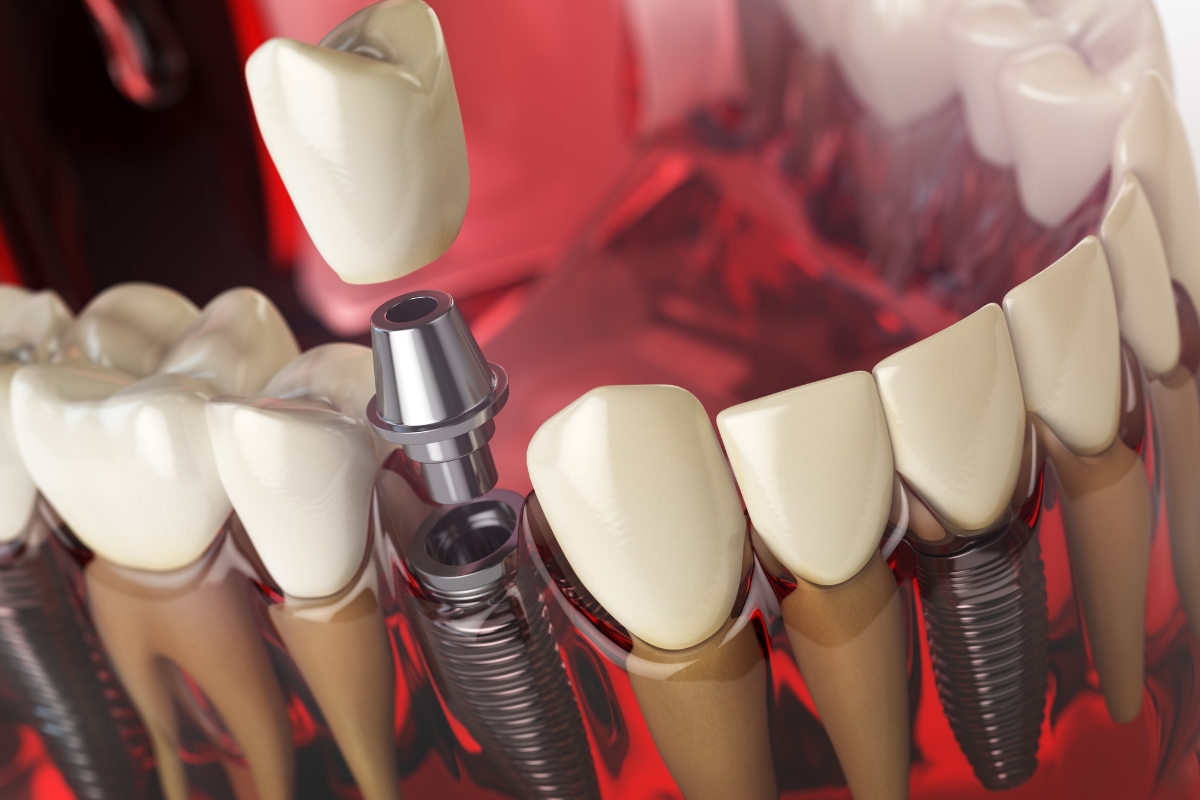
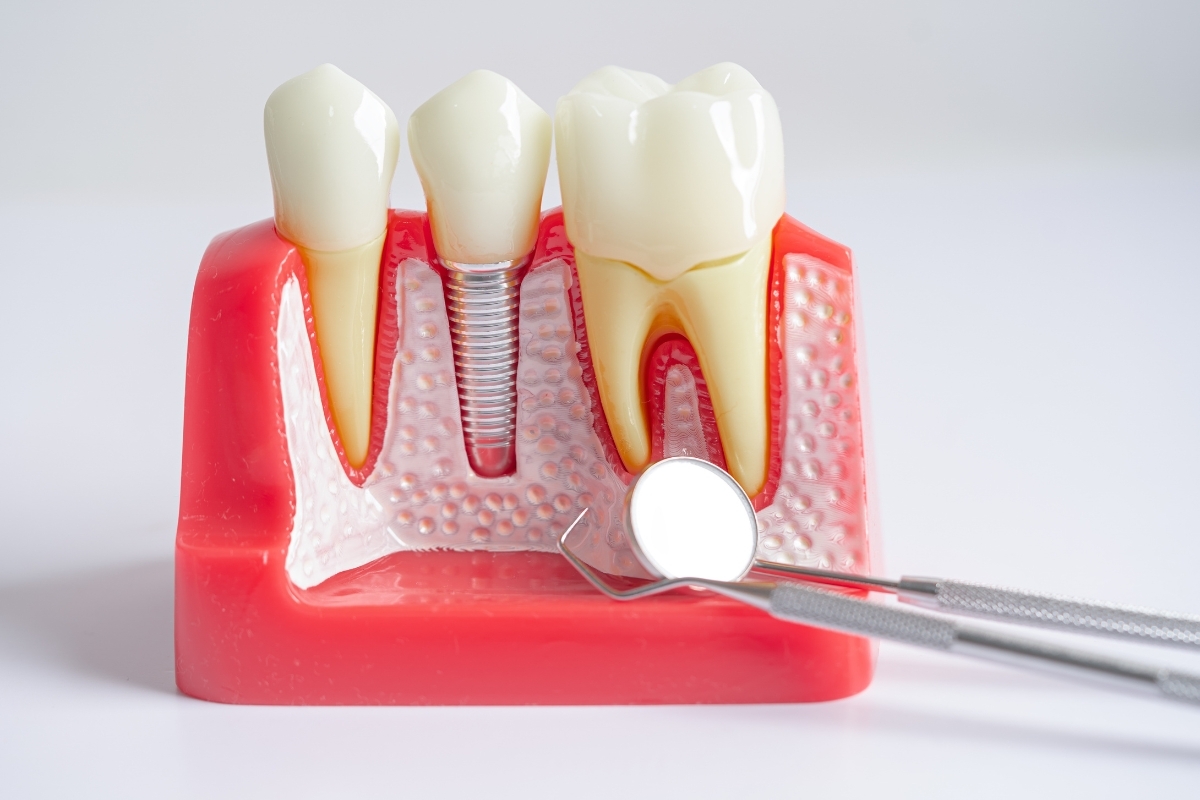
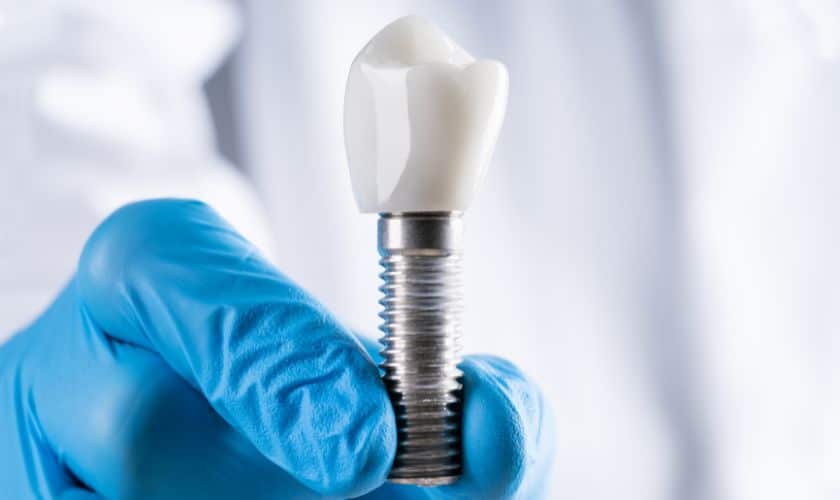
Dental implants are artificial tooth roots that are surgically placed into the jawbone. They serve as a strong foundation for replacement teeth, which can be either individual crowns, bridges, or even dentures. The procedure involves multiple steps, and it is typically carried out by a qualified oral surgeon or periodontist.
The Primary Components of a Dental Implant Include:
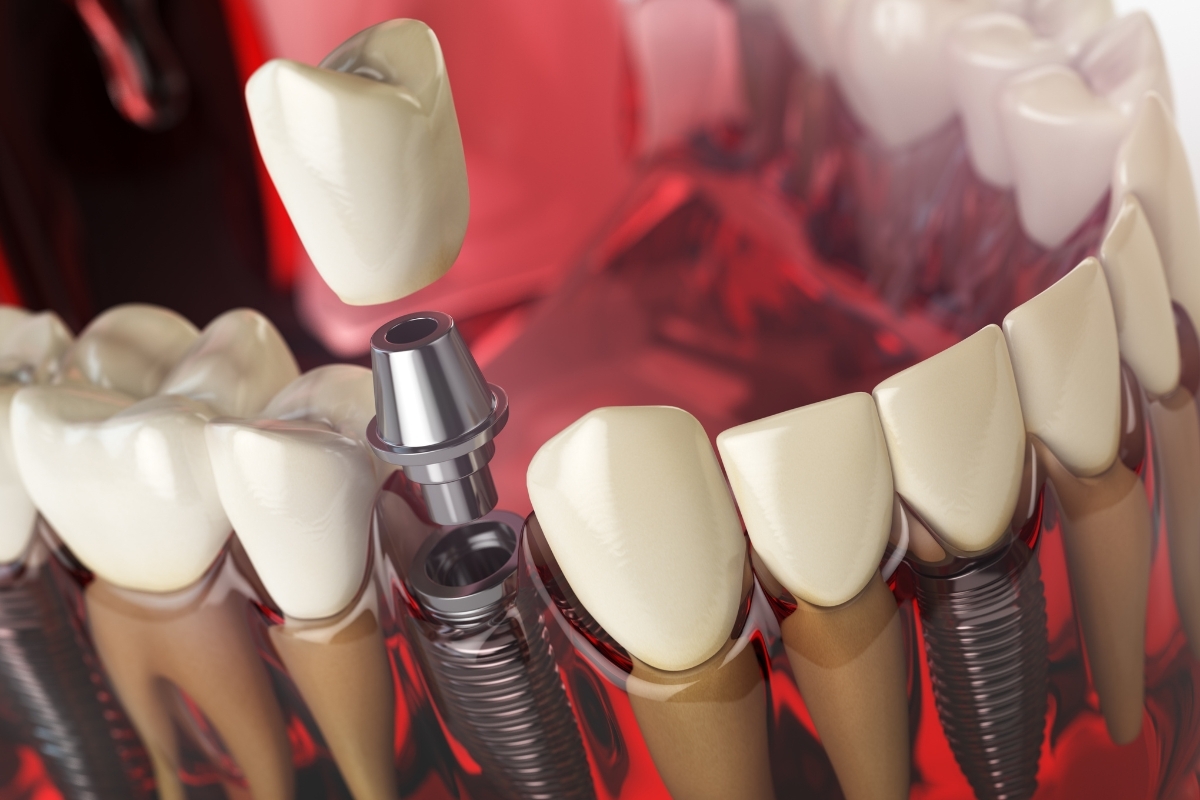
1. The Implant: This is a small, screw-like post made of biocompatible materials, typically titanium. It is inserted into the jawbone to replace the natural tooth root.
2. The Abutment: The abutment is a connector piece that links the implant to the replacement tooth or teeth.
3. The Restoration: The restoration is the artificial tooth or teeth, which are custom-made to match your natural teeth in terms of shape and color.
The Risks of Dental Implants
Dental implants are generally considered a safe and effective tooth replacement option, with a high success rate. However, like any surgical procedure, there are risks involved. It’s important to be aware of these risks to make an informed decision about whether dental implants are right for you. The key risks associated with dental implants include:
1. Infection: As with any surgical procedure, there is a risk of infection at the implant site. This can occur during or after the surgery and may require additional treatment, such as antibiotics.
2. Nerve Damage: The surgical placement of dental implants is done near nerves in the jaw. While modern techniques and advanced imaging tools minimize the risk, nerve damage can still occur, leading to numbness, tingling, or pain in the lips, chin, or tongue.
3. Implant Failure: In some cases, dental implants may fail to integrate with the surrounding bone properly. This can lead to the implant not osseointegrating, resulting in the need for its removal and replacement.
4. Bone Loss: Over time, the jawbone around the implant can experience bone loss, a process called peri-implantitis. This condition can jeopardize the stability of the implant.
5. Allergic Reactions: Though rare, some individuals may experience allergic reactions to the materials used in the implants.
Coping With The Risks of Dental Implants
While the risks associated with dental implants are real, it’s essential to remember that these complications are relatively rare, and the vast majority of patients who undergo the procedure experience successful outcomes. To minimize the risks and cope with them effectively, here are some essential strategies:
1. Choose A Qualified Dental Implant Specialist:
One of the most crucial steps in mitigating the risks of dental implants is to select a highly qualified and experienced implant specialist. Look for oral surgeons or periodontists who are board-certified, have extensive training, and have a proven track record of successful implant placements. A skilled professional can minimize the chances of complications during and after the dental implant procedure.
2. Pre-Implant Evaluation:
Before undergoing dental implant surgery, a comprehensive evaluation is essential. Your implant specialist will assess your oral health, and medical history, and conduct necessary diagnostic tests, such as X-rays or CT scans. This evaluation helps identify any underlying dental issues or medical conditions that could affect the procedure’s success.
3. Proper Aftercare:
Following the surgery, it’s crucial to follow your implant specialist’s post-operative instructions meticulously. This includes maintaining good oral hygiene, avoiding certain foods and habits, and taking prescribed medications as directed. Proper aftercare can significantly reduce the risk of complications.
4. Regular Check-ups:
Regular follow-up appointments with your implant specialist are necessary to monitor the healing process and ensure the implants integrate correctly with the bone. These check-ups allow for early detection and management of any potential issues.
5. Addressing Complications:
In the event of complications, such as infection, nerve damage, or implant failure, it’s vital to address them promptly. Your implant specialist will recommend the appropriate treatment to resolve the issue and prevent further complications.
If you’re considering dental implants in El Paso, consult with Cielo Dental & Orthodontics who can provide you with a thorough evaluation and personalized guidance to help you make the best decision for your dental health. With the right care and precautions, you can enjoy the benefits of a beautiful and functional smile for years.