6351 S Desert Blvd Ste 210, El Paso, TX 79932

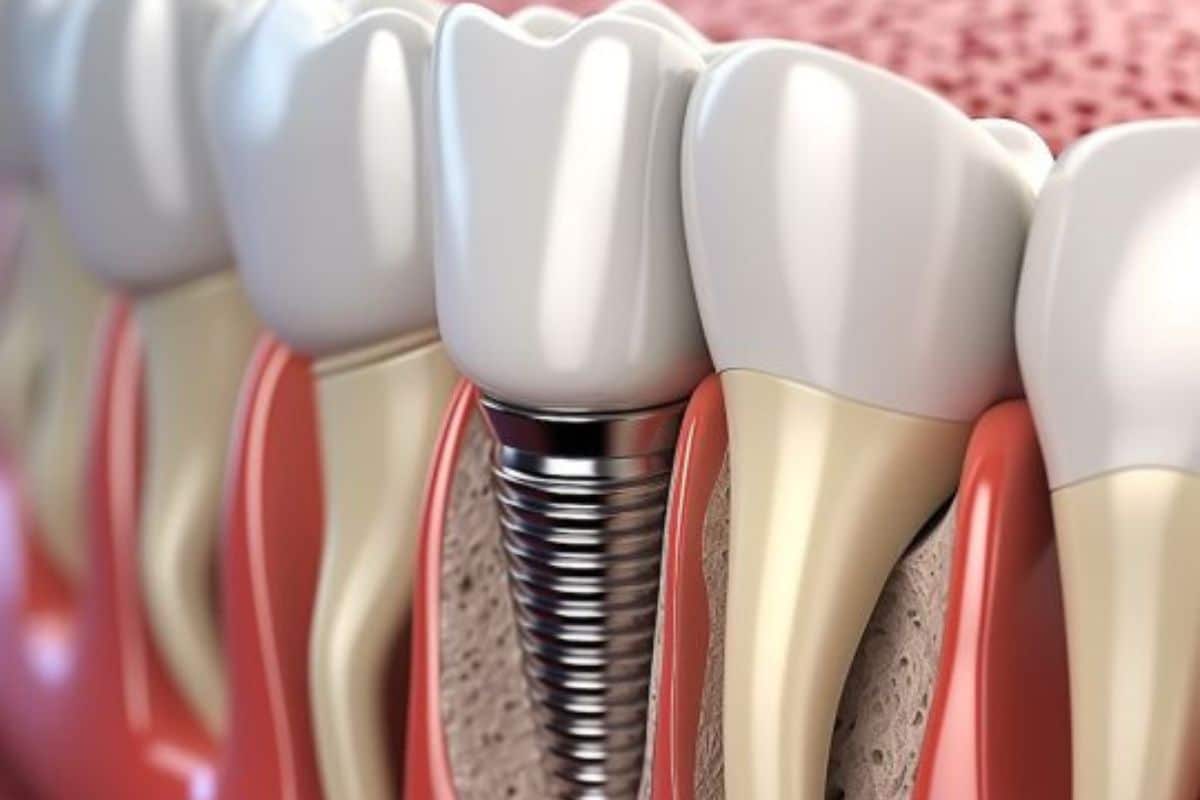
Dental implants are widely celebrated for their durability, natural feel, and ability to restore both your smile and your confidence. When placed and cared for properly, they can last decades. But what happens when something feels…off? Maybe you’ve started noticing tenderness around the area, or perhaps chewing doesn’t feel as comfortable as it used to.
These subtle changes might be your body’s way of alerting you to a bigger problem—a failing implant. If you’re someone who has received dental implants in El Paso, knowing the early warning signs can help you avoid serious complications and keep your oral health on track.
What Causes a Dental Implant to Fail?
Implant failure can happen in two stages: early (shortly after placement) or late (months or years later). In either case, several factors may be at play:
- Infection (Peri-implantitis): A bacterial infection around the implant can cause bone loss and gum inflammation, eventually loosening the implant.
- Poor Osseointegration: This refers to the failure of the implant to properly bond with the jawbone.
- Smoking: Tobacco use slows healing and increases the risk of infection.
- Poor Oral Hygiene: Even implants need regular care. Neglecting daily brushing, flossing, and dental checkups can lead to failure.
- Teeth Grinding (Bruxism): Chronic grinding or clenching can place excess force on the implant.
- Chronic Diseases: Conditions like diabetes or autoimmune disorders can interfere with healing and integration.
Signs Your Dental Implant Might Be in Trouble
Most patients describe something just “not feeling right” long before the implant actually fails. Here’s what to watch for:
1. Pain That Doesn’t Go Away
It’s normal to experience some soreness in the first few days after implant placement. But if you start feeling sharp, throbbing, or persistent pain weeks or months later, it may be a red flag. Pain around the implant site is often one of the earliest signs that something’s not healing correctly or that an infection has developed.
2. Swollen or Bleeding Gums
Gum inflammation around an implant isn’t just uncomfortable—it’s a warning sign. If your gums appear red, puffy, or bleed when brushing, especially near the implant, it could mean infection or gum disease. Left untreated, this can lead to bone loss and implant loosening.
3. Loose or Wobbly Implant
An implant should feel just like a natural tooth—secure and stable. If it moves even slightly when you chew or press on it, that’s a problem. This is often a symptom of bone deterioration or failed integration with the jaw.
4. Difficulty Chewing or Biting
If biting into your food suddenly feels uncomfortable, or if you avoid chewing on one side of your mouth, don’t ignore it. A shift in bite or chewing pattern could mean the implant isn’t performing as it should.
5. Gum Recession Around the Implant
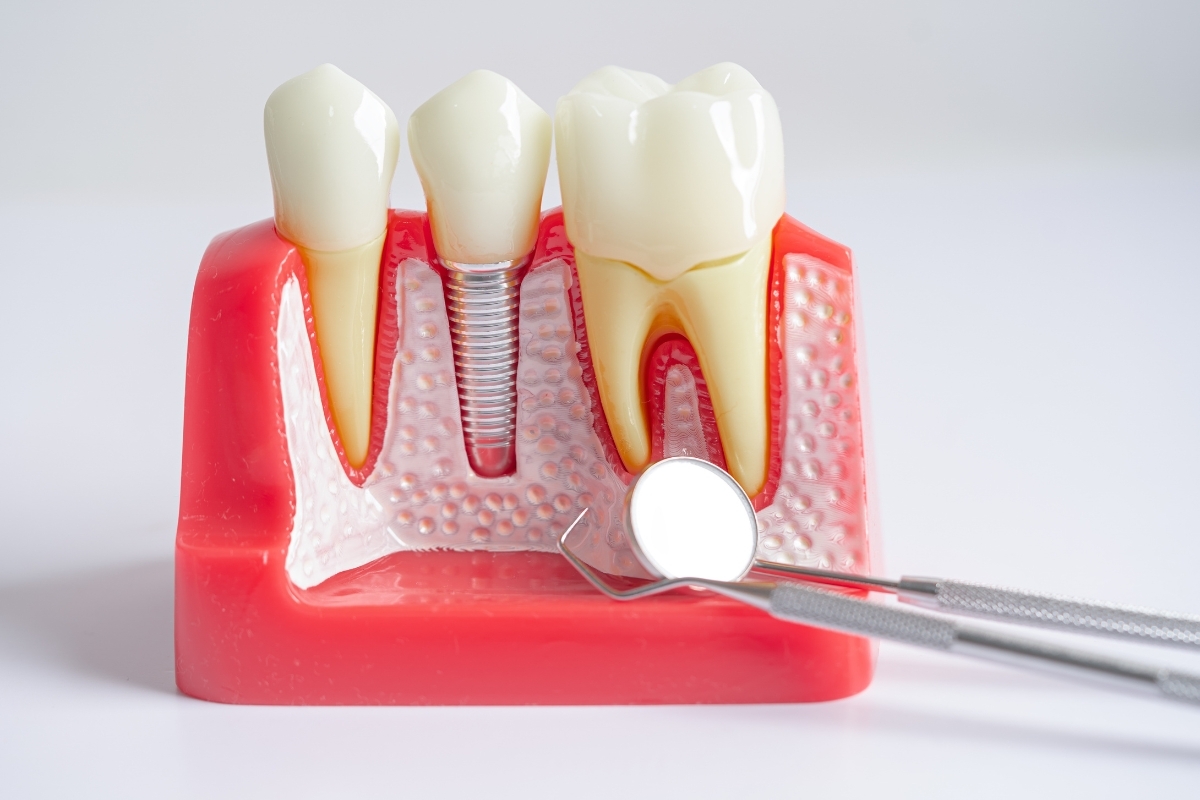
Gums that begin to recede around the implant site can expose the metal post or lead to bone loss. If you notice that the implant appears longer than it used to, it’s time to have it evaluated.
6. Bad Breath or Unpleasant Taste
Persistent bad breath or a strange taste near the implant site may indicate infection or trapped bacteria. This is often accompanied by other symptoms like swelling or discharge.
When to See a Dentist
If you’re experiencing any of the above symptoms, it’s important not to wait. Seeking early care from a trusted dentist in El Paso can make the difference between saving your implant and needing more extensive treatment.
A thorough evaluation may include X-rays, a periodontal exam, and a close inspection of your bite alignment. Depending on the issue, your provider may recommend deep cleaning, medication, or in some cases, corrective surgery.
Can a Failing Implant Be Saved?
In many cases, yes—especially when caught early. Mild infections or gum inflammation can often be managed with nonsurgical treatments and improved home care. More advanced cases might require bone grafting or implant replacement. Either way, early detection leads to better outcomes.
Preventing Implant Failure
While some risk factors are out of your control, many are preventable. Here are a few ways to keep your implant strong and your mouth healthy:
- Brush twice daily and floss carefully around the implant.
- Schedule regular cleanings and exams, even if everything feels fine.
- Avoid smoking or chewing tobacco.
- Use a nightguard if you grind your teeth.
- Eat a balanced diet that supports bone and gum health.
- Keep an eye on how your implant feels and functions—and speak up if something changes.
A Healthy Implant Starts with Awareness
Living in El Paso means you’ve got access to quality dental care—and that matters when something as important as your smile is on the line. Dental implants are an investment in your health, and they deserve the same attention and care as natural teeth.
Don’t wait for pain or complications to speak for you. If your implant doesn’t feel quite right, trust your gut and schedule a visit with Cielo Dental & Orthodontics. You’ll be protecting more than just your implant—you’ll be preserving your confidence, your comfort, and your quality of life.