6351 S Desert Blvd Ste 210, El Paso, TX 79932



Most patients expect a dental crown to last well over a decade. Dentists often quote a 15-year lifespan as the standard. But the truth is, many crowns in El Paso fail much sooner than that. Understanding why your dental crown might not last 15 years in El Paso can help you protect your investment and your smile.
Dr. Dustin McBride at Cielo Dental & Orthodontics sees crown-related concerns regularly. Several everyday habits and local lifestyle factors can dramatically shorten a crown’s lifespan. The good news is that most of these issues are preventable with the right knowledge and care.
How Long Should a Dental Crown Last in El Paso?
The average dental crown lasts between 10 and 15 years. Some crowns last 20 years or more with excellent care. Others fail within five years due to a combination of factors. The material, placement technique, and your daily habits all play a role.
Porcelain-fused-to-metal crowns are durable but can chip at the porcelain edge. All-ceramic crowns look the most natural but may be more vulnerable to cracking. Full gold crowns are the longest-lasting option, though less popular for visible teeth. Knowing your crown type helps you understand its specific risks.
Regular checkups are the single most important factor for crown longevity. Dr. McBride can spot early signs of wear or failure before they become costly problems. Skipping routine visits is one of the fastest ways to shorten your crown’s life.
Top Habits That Shorten Your Crown’s Lifespan
Certain daily habits accelerate crown wear faster than anything else. Many patients are unaware they are damaging their crowns every day. Identifying and changing these habits can add years to your crown’s life.
Here are the most common habits that reduce crown longevity:
- Teeth grinding (bruxism): Nightly grinding places enormous force on crowns. Many El Paso patients grind their teeth due to stress without even knowing it.
- Chewing ice or hard foods: Biting into hard candies, popcorn kernels, or ice can crack or dislodge a crown.
- Using teeth as tools: Opening packages or bottles with your teeth puts unnatural stress on crowns.
- Poor oral hygiene: Bacteria build up at the crown margin where the crown meets the gum line. This leads to decay underneath the crown itself.
- Skipping dental visits: Without regular monitoring, small problems grow into crown failures.
Grinding is especially worth addressing. A custom night guard from Cielo Dental can significantly reduce the wear on your crowns. It is a simple, affordable solution that protects a significant dental investment.
Warning Signs Your Crown Needs Replacing
Crowns do not always fail dramatically. Often, the signs are subtle and easy to miss. Knowing what to look for helps you act before a small problem becomes a serious one. If you notice any of these signs, contact Dr. McBride promptly.
Watch for these warning signs that your crown may need replacement:
- Tooth sensitivity: A crowned tooth should not be sensitive to temperature. New sensitivity often signals decay beneath the crown or a cracked crown.
- Pain when biting: Discomfort when chewing may indicate the crown has shifted or cracked.
- Visible cracks or chips: Even small chips can allow bacteria to enter and cause decay.
- Dark line at the gum: This usually means the metal base of an older crown is becoming exposed.
- Crown feels loose: A loose crown is a dental emergency. It should be seen as soon as possible.
- Gum recession around the crown: Receding gums expose the crown margin and increase infection risk.
Some patients in El Paso also notice an unpleasant taste or odor near a crowned tooth. This can signal decay or a failing crown seal. Do not ignore it — schedule an exam right away.
Why El Paso’s Climate and Lifestyle Can Affect Your Crown
El Paso’s environment creates some unique considerations for dental health. The hot, dry climate means many residents experience dry mouth more often. Reduced saliva increases the risk of decay at the crown margin. Staying well-hydrated is more important here than in many other cities.
El Paso residents also tend to enjoy a diet rich in crunchy and spicy foods. While delicious, hard tortilla chips and crunchy vegetables can wear down crowns over time. Being mindful of how you chew can make a real difference. Chew on the opposite side when eating especially hard foods.
Many patients ask about improving their smile alongside protecting existing dental work. Services like Teeth Whitening El Paso can complement a crowned smile beautifully. It is worth discussing timing with Dr. McBride, since whitening does not change the shade of a crown. Planning cosmetic treatments together ensures a consistent, natural-looking result.
When a Crown Cannot Be Saved: Knowing Your Options
Sometimes a crown reaches the end of its life and must be replaced. In other cases, the tooth beneath the crown may be too damaged to support a new one. Dr. McBride will evaluate the underlying tooth structure before recommending next steps. Your options depend on how much healthy tooth remains.
If the tooth is salvageable, a new crown is often the best solution. If the tooth cannot be saved, extraction followed by a tooth replacement is necessary. One of the most natural-feeling replacement options is a dental bridge. Patients considering Bridges El Paso can consult with Dr. McBride to determine if this is the right fit for their situation.
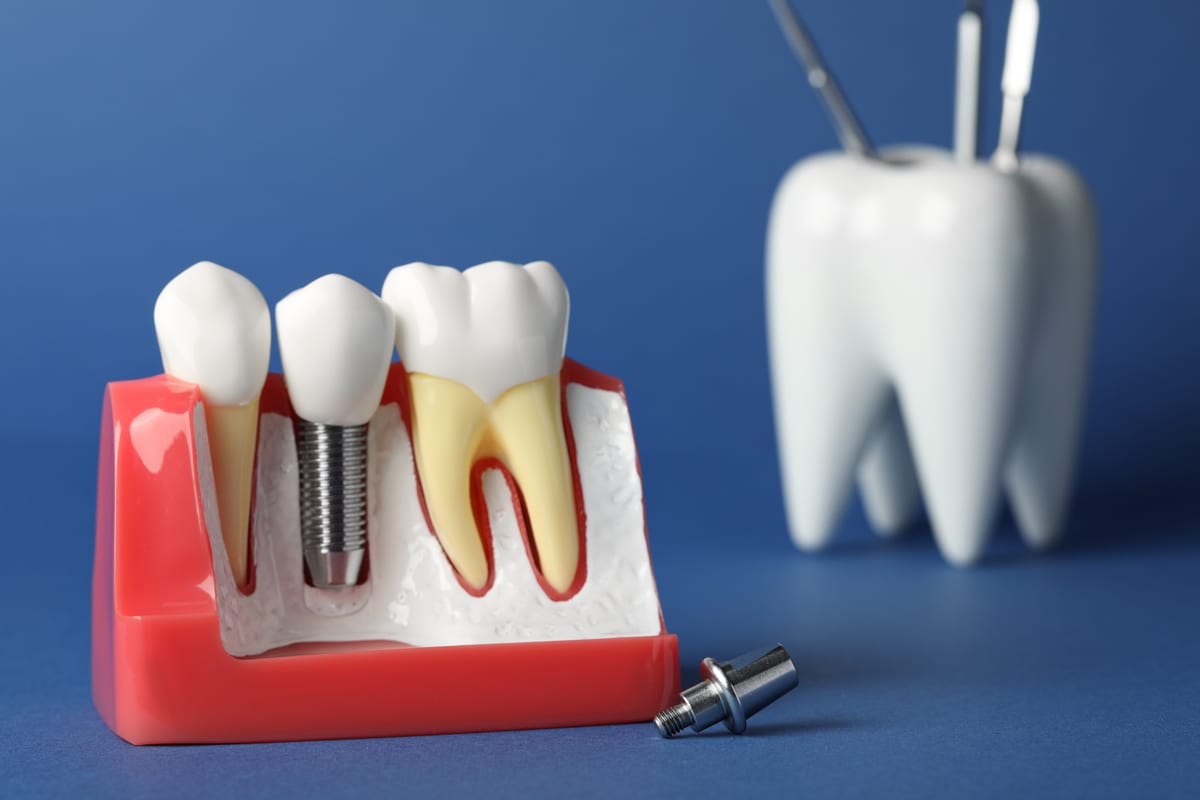
Implant-supported options are also available for eligible patients. The right choice depends on your bone health, budget, and aesthetic goals. Dr. McBride takes a conservative approach and always prioritizes preserving natural tooth structure wherever possible.
How to Make Your Crown Last as Long as Possible
You have more control over your crown’s lifespan than you might think. Consistent habits and regular professional care work together to maximize longevity. A few simple changes can add years to your crown’s function and appearance.
Follow these evidence-based tips to protect your crown:
- Brush twice daily with a soft-bristled toothbrush
- Floss carefully around the crown margin every day
- Use a fluoride toothpaste to strengthen the surrounding enamel
- Wear a night guard if you grind your teeth
- Avoid chewing ice, hard candy, and other damaging foods
- Visit Cielo Dental every six months for professional cleanings and exams
These steps are not complicated, but they require consistency. Think of your crown as a long-term investment in your oral health. Small daily actions have a compounding effect on how long your crown performs well.
Talk to Dr. McBride About Your Crown in El Paso
If your crown is several years old or you have noticed any warning signs, now is the time to act. Early intervention almost always leads to better outcomes and lower costs. Dr. Dustin McBride and the team at Cielo Dental & Orthodontics are here to help El Paso patients protect their smiles for the long term. Book Now to schedule your appointment with our team.
Frequently Asked Questions
How do I know if my dental crown is failing?
Common signs include tooth sensitivity, pain when biting, a loose crown, visible cracks, or a dark line at the gum line. If you notice any of these symptoms, schedule an exam with Dr. McBride at Cielo Dental & Orthodontics as soon as possible.
Can decay occur under a dental crown?
Yes. Decay can develop at the margin where the crown meets the tooth. Poor oral hygiene allows bacteria to accumulate in this area. Regular brushing, flossing, and professional cleanings help prevent this from happening.
Does teeth grinding really damage dental crowns?
Absolutely. Bruxism, or teeth grinding, places significantly more force on crowns than normal chewing does. Over time, this can crack, chip, or loosen a crown. A custom night guard is an effective and simple way to protect your crowns.
How often should I have my dental crown checked?
You should have your crown evaluated at every routine dental visit, which is typically every six months. Dr. McBride can identify early wear or marginal gaps before they lead to crown failure or decay.
What happens if my crowned tooth needs to be extracted?
If the tooth beneath the crown is too damaged to support a replacement crown, extraction may be necessary. Dr. McBride will discuss tooth replacement options with you, including dental bridges or implant-supported restorations, based on your individual oral health needs.