6351 S Desert Blvd Ste 210, El Paso, TX 79932


If you’ve lost one or more teeth, you’re facing an important decision. Dentures vs. implants — which actually preserves your jawbone in Vinton? This question matters more than most patients realize. The choice you make today affects your facial structure, chewing ability, and long-term oral health for decades to come. At Cielo Dental & Orthodontics, Dr. Dustin McBride helps Vinton patients understand exactly what each option means for their smile and their bone health.
Why Jawbone Preservation Matters After Tooth Loss
Many people focus on aesthetics when replacing missing teeth. But the jawbone underneath is equally critical. When a tooth root disappears, the bone that once supported it begins to shrink. This process is called bone resorption, and it starts within just a few months of tooth loss.
Bone resorption changes your face over time. Your cheeks can hollow out and your chin may shift forward. Even a single missing tooth triggers this process in the surrounding bone. Understanding this helps you make a smarter long-term decision about replacement options.
Here is what happens to your jawbone without stimulation:
- Bone density decreases steadily each year
- Facial structure changes, making you appear older
- Remaining teeth may shift or loosen
- Future tooth replacement becomes more complicated
- Chewing efficiency declines significantly over time
How Dentures Affect Your Jawbone in Vinton
Traditional dentures sit on top of your gums. They replace the visible part of your teeth but do nothing for the roots underneath. Without root stimulation, the jawbone continues to resorb year after year.
Many Vinton patients notice their dentures fitting poorly after several years. This happens because the bone ridge supporting the denture has shrunk. Poorly fitting dentures cause sore spots, difficulty eating, and embarrassing slipping at the worst moments.
Dentures do offer real advantages worth considering. They are generally less expensive upfront. The process requires no surgery. Most patients receive their dentures within a few weeks of starting treatment. For some patients, dentures remain a practical and comfortable solution for many years.
However, the bone loss problem is real and ongoing. Over time, some denture wearers require frequent refitting or relining. Others eventually need bone grafting if they later decide to pursue implants. This adds cost and complexity down the road.
Dentures vs. Implants: Which Actually Preserves Your Jawbone Vinton Residents Ask About Most
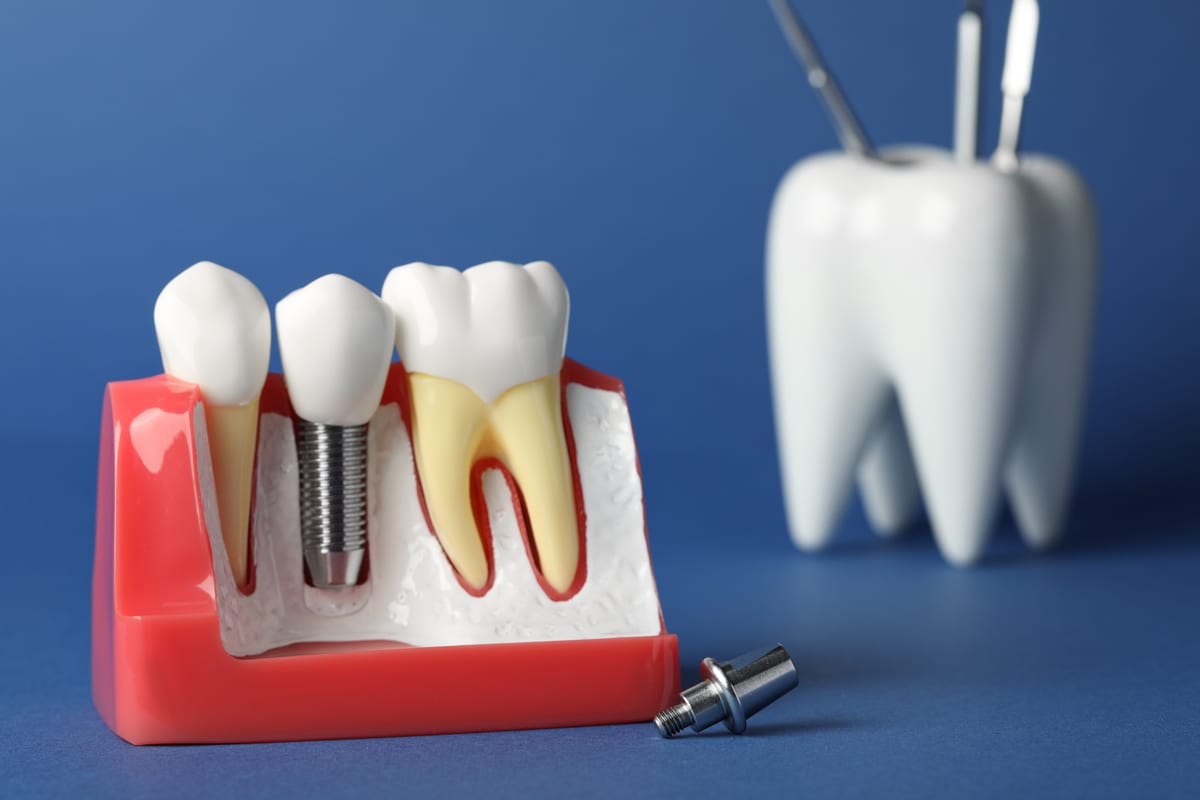
Dental implants take a completely different approach to tooth replacement. A small titanium post is placed directly into the jawbone. This post acts like a natural tooth root. It stimulates the bone every time you bite or chew, which tells the body to keep producing bone tissue.
This stimulation is what makes implants the gold standard for bone preservation. Studies consistently show that implants prevent the bone loss associated with missing teeth. Patients who receive implants early maintain much more bone volume over the long term.
Here are the key differences between dentures and implants for Vinton patients:
- Bone stimulation: Implants stimulate bone naturally; dentures do not
- Stability: Implants are fixed and permanent; dentures can shift
- Upfront cost: Implants cost more initially; dentures are more affordable short-term
- Long-term cost: Implants rarely need replacement; dentures require ongoing adjustments
- Eating ability: Implants function like natural teeth; dentures limit certain foods
- Facial structure: Implants preserve facial volume; dentures allow gradual bone loss
Implants do require a surgical procedure and a healing period. Not every patient qualifies immediately. Those with significant bone loss may need a bone graft before implant placement. Your dentist will evaluate your bone density before recommending a treatment plan.
Cost and Long-Term Value: An Honest Comparison
The upfront cost of dental implants is higher than dentures. A single implant typically costs several times more than a partial or full denture. This gap often leads patients to choose dentures without considering the full financial picture.
Over ten or twenty years, the math often shifts. Dentures require professional relining every few years. Many patients need completely new dentures every seven to ten years. Bone grafting, if needed later, adds significant expense on top of that.
Implants, by contrast, are designed to last a lifetime with proper care. The implant post itself rarely needs replacement. Only the crown on top may need attention after many years of use. For many patients, implants become the more economical choice when viewed over a full lifetime.
It is also worth thinking about quality of life. Implant patients eat what they want without restriction. They speak confidently without worrying about slipping. They clean their teeth just like natural ones. These daily quality-of-life benefits have real value that numbers alone cannot capture.
Who Is a Good Candidate for Each Option?
Implants work best for patients with adequate jawbone density and good overall health. Non-smokers tend to have better implant success rates. Patients with well-controlled chronic conditions can often still receive implants safely. A thorough evaluation at Cielo Dental will clarify your options quickly.
Dentures may be the right starting point for patients who need immediate tooth replacement. They also suit patients who are not yet ready for surgery. Some patients combine both options — implant-supported dentures offer greater stability while still being removable.
If you are also considering improving your smile’s appearance, ask Dr. McBride about Teeth Whitening services in El Paso that can complement your restoration plan. For patients who are missing only a few teeth, Bridges in El Paso may offer another effective alternative worth discussing.
Making the Right Choice for Your Smile and Your Bone Health
The decision between dentures and implants is personal. Your age, health, budget timeline, and bone condition all play a role. There is no single right answer for every Vinton patient. What matters most is making an informed decision with a trusted dental team by your side.
Dr. McBride and the Cielo Dental & Orthodontics team take time to explain every option clearly. You will never feel rushed into a decision that does not fit your life. Our goal is to give you the information you need to choose confidently. Contact us today to schedule your appointment with our team.
Frequently Asked Questions
Do dentures cause jawbone loss over time?
Yes. Dentures sit on the gum surface and do not stimulate the jawbone beneath. Without stimulation from a tooth root or implant, the bone gradually resorbs. This process causes dentures to fit more loosely as years pass and changes your facial structure over time.
How soon does bone loss start after tooth extraction?
Bone resorption typically begins within the first few months after a tooth is removed. The most significant bone loss occurs in the first year. Acting quickly to replace missing teeth — ideally with implants — gives you the best chance of preserving your bone volume.
Can I get implants if I already wear dentures?
Many denture wearers successfully transition to implants. However, long-term denture use often means some bone loss has already occurred. A bone graft may be needed to rebuild sufficient density for implant placement. Dr. McBride will assess your bone through imaging to determine the right approach for you.
Are dental implants painful to get?
Most patients report less discomfort than they expected. Local anesthesia keeps you comfortable during the procedure. Mild soreness in the days following placement is normal and manageable with over-the-counter pain relief. Many patients return to regular activities within a day or two after implant surgery.
How long do dental implants last compared to dentures?
Dental implants are designed to last a lifetime when cared for properly. The titanium post fuses permanently with your jawbone and rarely needs replacement. Dentures typically require relining every few years and full replacement every seven to ten years. Over a lifetime, implants often prove to be the more durable and cost-effective solution.