6351 S Desert Blvd Ste 210, El Paso, TX 79932


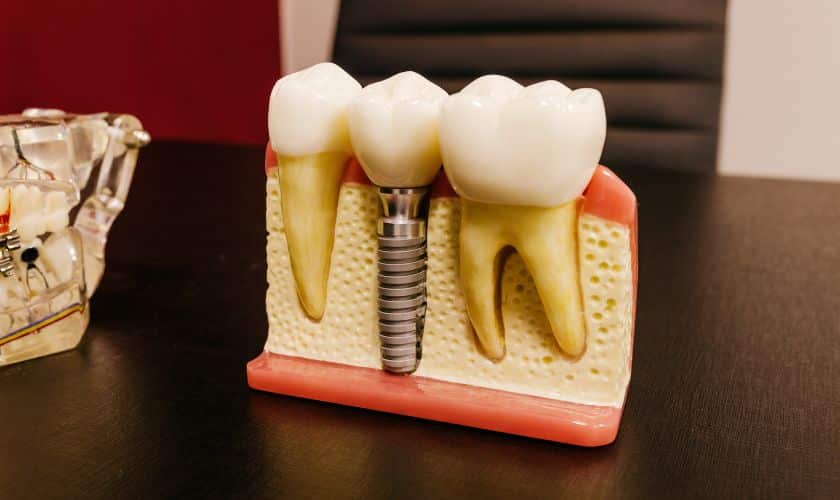
The loss of a tooth can be a challenging experience, affecting not only one’s oral health but also their overall well-being. Fortunately, advancements in dental technology have provided various options for tooth replacement, with dental implants emerging as a preferred choice for many. In this comprehensive guide, we will explore the reasons why dental implants are increasingly becoming the preferred tooth replacement option.
What Are Dental Implants?
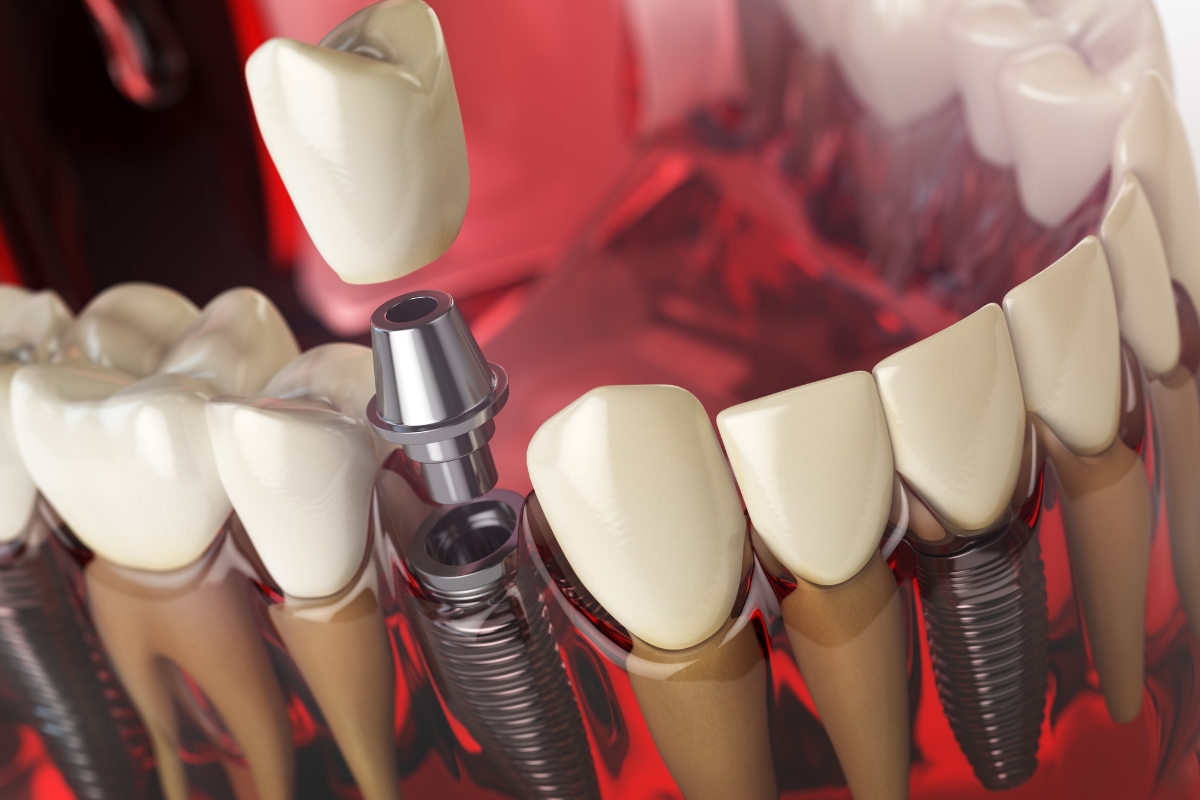
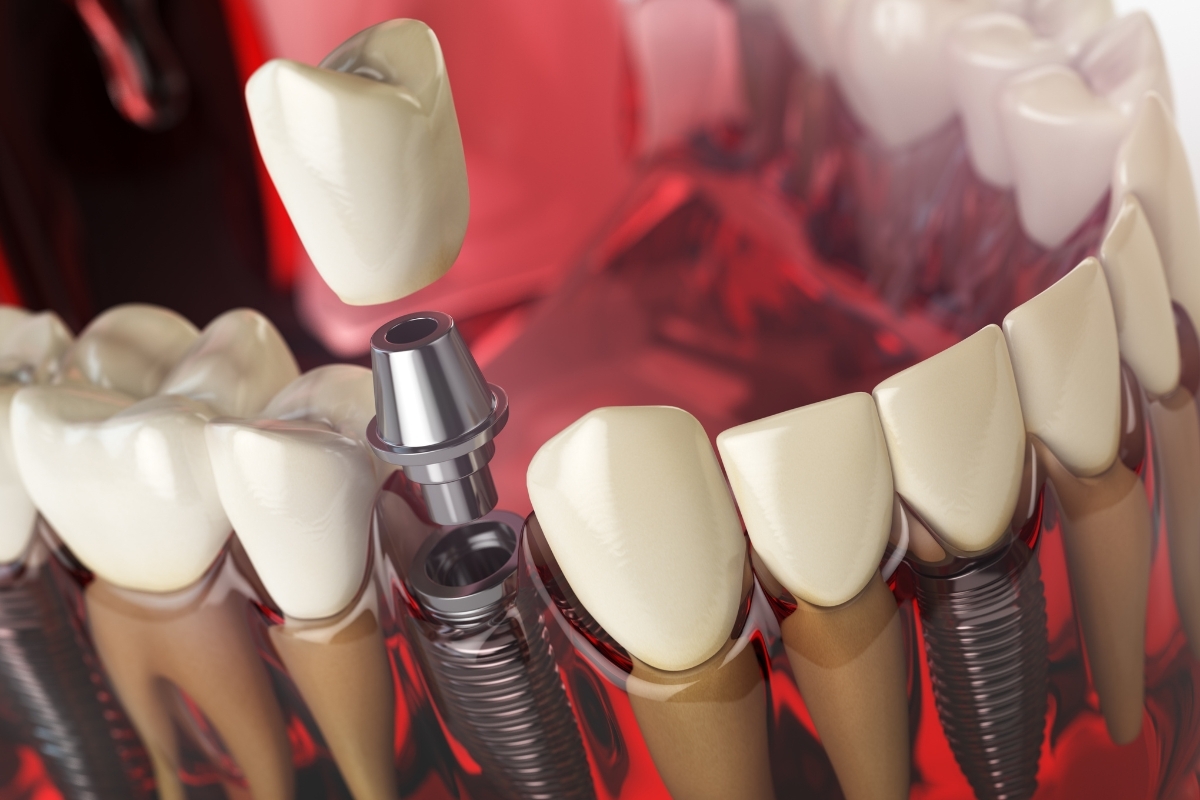
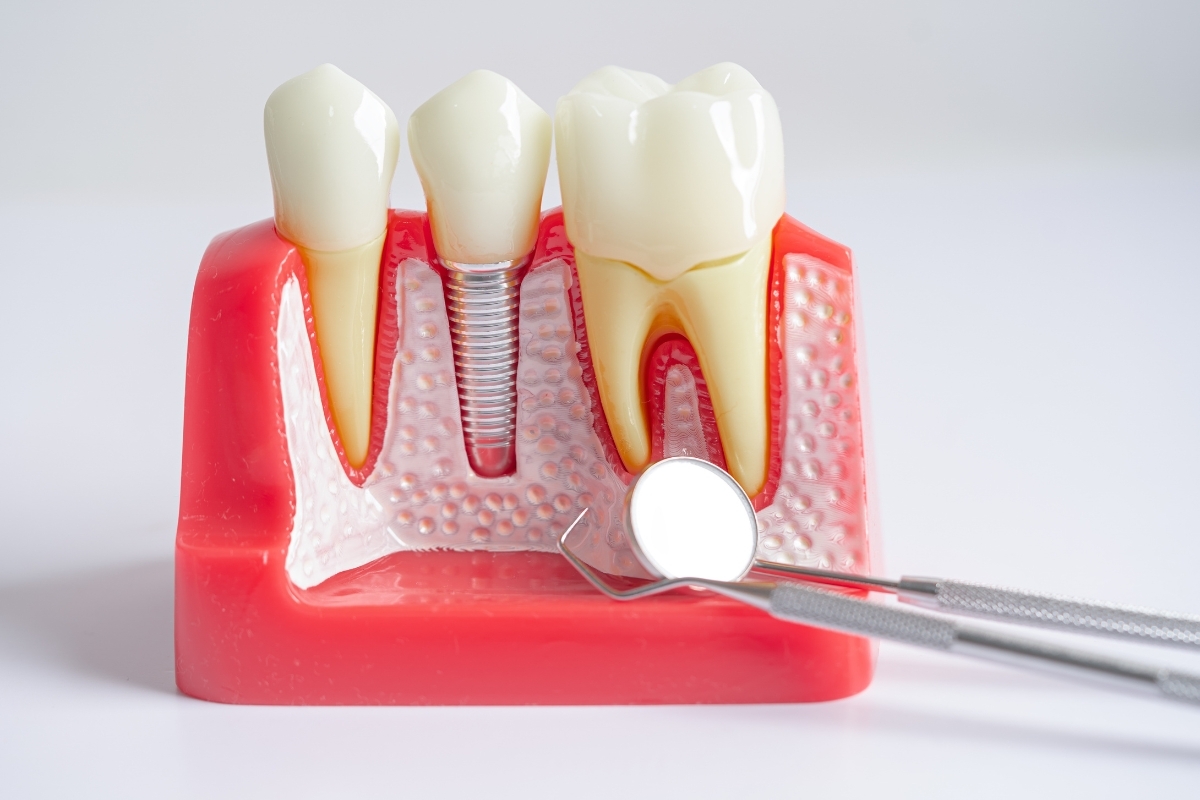
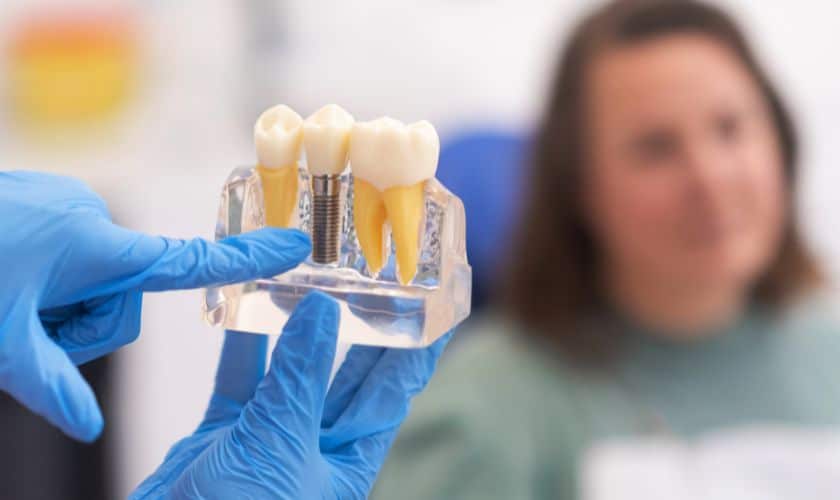
Dental implants are prosthetic tooth roots made of titanium that are surgically placed into the jawbone. Over time, the bone fuses with the implant through a process called osseointegration, creating a strong and stable foundation for a replacement tooth. This innovative solution offers several advantages over traditional tooth replacement methods like bridges or dentures.
Reasons Why Dental Implants Are the Preferred Tooth Replacement Option
1. Natural Appearance and Functionality
One of the primary reasons why dental implants are favored is their ability to mimic the natural look and function of teeth. Unlike dentures that may shift or bridges that rely on adjacent teeth for support, implants stand independently. This stability ensures that the replacement tooth looks and feels like a natural tooth, both in appearance and functionality.
The crown placed on the implant is custom-made to match the color, shape, and size of the surrounding teeth, creating a seamless and aesthetically pleasing result. This natural appearance can boost confidence and eliminate the self-consciousness often associated with missing teeth.
2. Long-Term Durability
Dental implants are renowned for their durability and longevity. While bridges and dentures may require replacement or adjustments over time, dental implants have the potential to last a lifetime with proper care. The titanium material used in implants is biocompatible, reducing the risk of rejection and allowing for a robust and lasting integration with the jawbone.
Moreover, implants help preserve bone density in the jaw, preventing the deterioration that can occur when a tooth is lost. This preservation of bone structure contributes to the long-term stability and success of dental implants.
3. Improved Oral Health
Beyond the cosmetic benefits, dental implants promote overall oral health. When a tooth is lost, the surrounding teeth may shift, leading to misalignment and bite issues. Dental implants prevent these complications by maintaining the integrity of the dental arch. Unlike bridges that may require altering adjacent teeth, implants leave neighboring natural teeth untouched, preserving their health and integrity.
Furthermore, the stability of dental implants facilitates proper oral hygiene practices. Unlike dentures that need to be removed for cleaning, implants can be cared for just like natural teeth. Regular brushing, flossing, and professional cleanings help maintain oral health and prevent issues such as gum disease.
4. Enhanced Comfort and Convenience
Dental implants offer unparalleled comfort and convenience compared to other tooth replacement options. Traditional dentures can cause discomfort, sore spots, and difficulty in eating and speaking. In contrast, implants are securely anchored in the jaw, eliminating the discomfort associated with removable appliances.
The stability of dental implants also enhances convenience in daily activities. There is no need for adhesives, special cleaning solutions, or the fear of dentures slipping during meals or conversations. Implants provide a hassle-free solution that allows individuals to enjoy their favorite foods and social interactions without worry.
5. Cost-Effectiveness in the Long Run
While the initial cost of dental implants may seem higher than that of dentures or bridges, the long-term cost-effectiveness makes them an attractive option. As mentioned earlier, dental implants have the potential to last a lifetime, reducing the need for frequent replacements or adjustments seen with other tooth replacement options.
Additionally, the prevention of bone loss in the jaw helps avoid costly dental issues that can arise when the integrity of the oral structure is compromised. Investing in dental implants can lead to substantial savings in the long run, both in terms of oral health maintenance and the avoidance of complications associated with alternative treatments.
6. Psychological Well-being and Quality of Life
The impact of tooth loss extends beyond the physical aspects, affecting an individual’s psychological well-being and quality of life. People with missing teeth often experience a decline in self-esteem, confidence, and social interactions. Dental implants play a crucial role in restoring not only the physical appearance but also the emotional and psychological aspects of a person’s life.
The natural look and feel of dental implants contribute to a positive self-image, allowing individuals to smile, speak, and eat with confidence. This boost in self-esteem can lead to improved social interactions, professional success, and an overall enhanced quality of life.
7. Accessibility and Technological Advancements
As dental implant technology continues to advance, the procedure has become more accessible and streamlined. Today, many dental professionals are trained in implantology, and the process has become routine in many dental practices. This accessibility means that more individuals can benefit from the advantages of dental implants without facing significant barriers.
Technological advancements, such as computer-aided design and 3D imaging, have also improved the precision and success rates of dental implant procedures. These tools allow for detailed planning, precise placement of implants, and customized prosthetics, ensuring optimal results for each patient.
In conclusion, dental implants have emerged as the preferred tooth replacement option for a variety of reasons. Their natural appearance, long-term durability, positive impact on oral health, enhanced comfort, and cost-effectiveness make them a compelling choice. As technology continues to advance, dental implants are becoming more accessible, providing individuals with a reliable and aesthetically pleasing solution to tooth loss.
The psychological benefits of improved self-esteem and quality of life further underscore why dental implants are increasingly favored by both patients and dental professionals alike. If you’re considering tooth replacement options, consulting with a qualified implantologist can provide personalized insights and guidance on whether dental implants are the right choice for you.