6351 S Desert Blvd Ste 210, El Paso, TX 79932


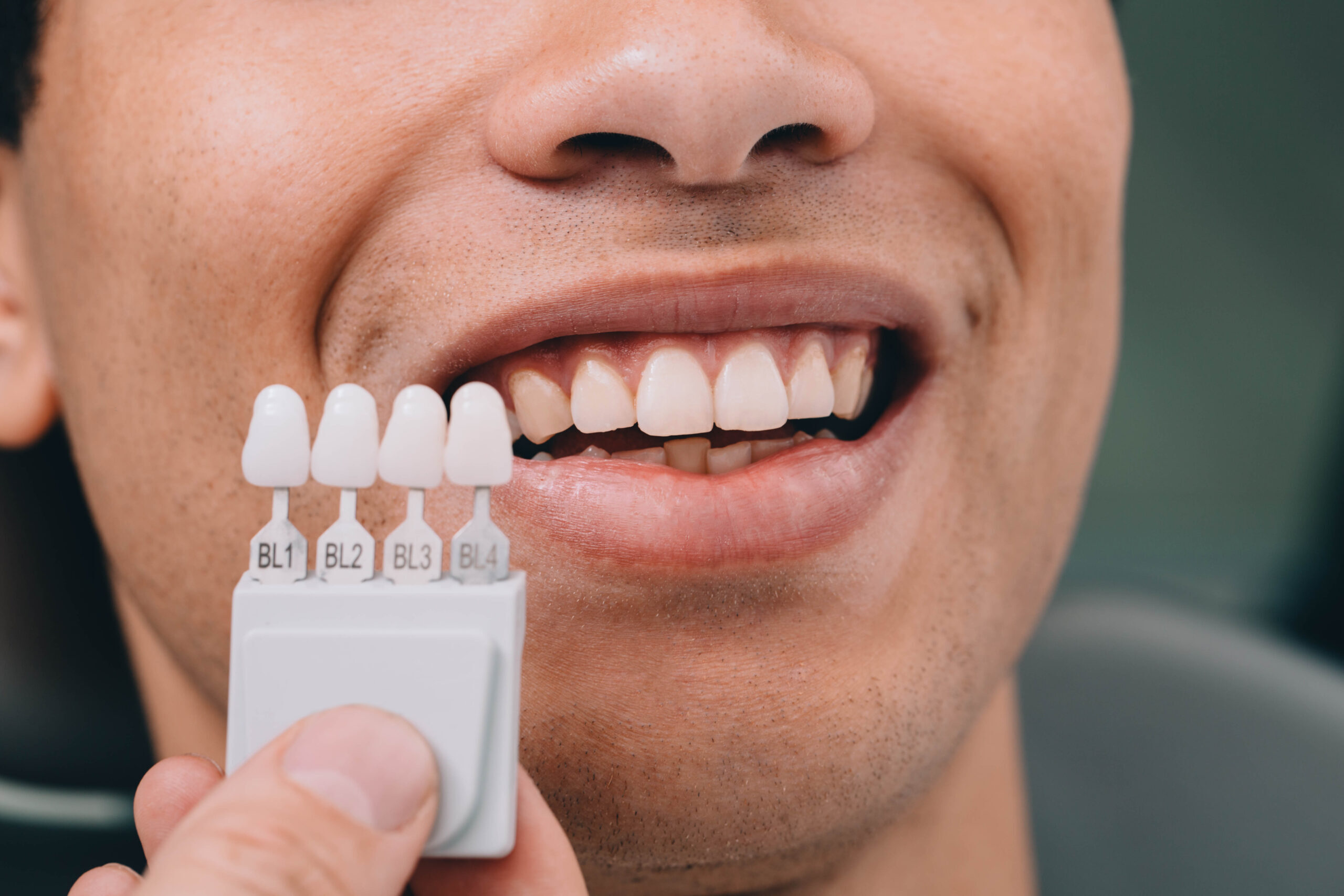
If you want a better-looking smile, two treatments come up most often: veneers and dental bonding. Both can fix chips, gaps, discoloration, and uneven teeth. But when it comes to veneers vs. bonding and which smile fix actually lasts longer in El Paso, the answer depends on your specific goals. Understanding the key differences helps you make a confident, informed choice at Cielo Dental & Orthodontics.
What Are Veneers and How Do They Work?
Veneers are thin porcelain or composite shells bonded permanently to the front surface of your teeth. They cover a wide range of cosmetic concerns in a single treatment. Porcelain veneers are custom-crafted in a dental lab to match your natural tooth color and shape.
The process typically requires two appointments with Dr. Dustin McBride. At the first visit, a thin layer of enamel is removed to create space for the veneer. At the second visit, the custom shell is cemented into place for a seamless finish.
Porcelain veneers are highly stain-resistant and extremely durable. With proper care, they commonly last between 10 and 25 years. That longevity makes them a popular long-term investment for patients across El Paso.
What Is Dental Bonding and How Does It Compare?
Dental bonding uses a tooth-colored composite resin applied directly to your tooth. The dentist shapes and sculpts the resin by hand during a single appointment. No custom lab work is required, which keeps the process fast and affordable.
Bonding works well for minor cosmetic corrections. These include small chips, slight gaps, and mild discoloration. It is also reversible in most cases because little to no enamel removal is needed.
However, composite resin is more porous than porcelain. It stains more easily over time and typically lasts five to seven years. Touch-ups or replacements are more common compared to veneers.
- Veneers lifespan: 10–25 years with proper care
- Bonding lifespan: 5–7 years before touch-ups are likely needed
- Veneers stain resistance: High — porcelain resists coffee, tea, and wine
- Bonding stain resistance: Moderate — resin can discolor over time
- Enamel removal: Veneers require slight reduction; bonding usually does not
- Appointment time: Bonding is completed in one visit; veneers take two
Veneers vs. Bonding: Cost and Invasiveness in El Paso
Cost is one of the biggest deciding factors for El Paso patients comparing these two options. Dental bonding costs significantly less per tooth upfront. Veneers carry a higher initial investment but often cost less over time due to their longer lifespan.
Invasiveness is another key difference. Bonding requires little to no tooth preparation. Veneers require removing a thin layer of enamel, which is a permanent change. That makes veneers a bigger commitment — but also a more permanent solution.
If budget is your priority right now, bonding is a smart starting point. If you want a durable, long-lasting transformation, veneers deliver stronger results. Dr. McBride can review both options with you during a personal consultation at our El Paso office.
Which Treatment Is Right for Your Smile Concern?
The best choice depends on the nature and extent of your cosmetic concern. Bonding works well for isolated chips, minor gaps, or a single discolored tooth. Veneers are better suited for multiple teeth or more complex cosmetic changes.
Here is a quick guide to help you decide:
- Choose bonding if: You have minor imperfections, a limited budget, or want a reversible option
- Choose veneers if: You want lasting results, severe discoloration, or a full smile makeover
- Consider both if: You want to fix front teeth now and plan for veneers later
Some patients combine treatments strategically. For example, bonding on side teeth and veneers on front teeth can balance cost and aesthetics. Discussing your full smile goals with Dr. McBride helps you create the right plan.
Many patients also ask about Teeth Whitening El Paso before committing to veneers or bonding. Whitening first can shift your expectations and reduce the extent of cosmetic work needed. It is worth exploring as part of your overall smile plan.
What About Longevity in the El Paso Climate?
El Paso’s dry, sunny climate does not directly damage veneers or bonding. However, lifestyle habits matter greatly for both treatments. Grinding your teeth, biting nails, or chewing ice can shorten the lifespan of either option.
Porcelain veneers resist everyday wear better than composite bonding. They hold their shape and color longer under normal chewing forces. Patients who grind their teeth may benefit from a custom nightguard to protect their investment.
Bonding is more susceptible to chipping under pressure. If you play contact sports or have a grinding habit, bonding may need more frequent repairs. Both treatments require regular checkups at Cielo Dental to monitor their condition over time.
For patients missing one or more teeth, Dr. McBride may also recommend exploring Bridges El Paso as a restorative option alongside cosmetic treatments. Addressing structural issues first often improves the final cosmetic outcome.
Making Your Decision With Confidence
Choosing between veneers and bonding is not a one-size-fits-all decision. Both options offer real cosmetic improvements — they just differ in cost, longevity, and commitment. Understanding those differences puts you in control of your smile journey in El Paso.
At Cielo Dental & Orthodontics, Dr. Dustin McBride takes time to understand your goals before recommending any treatment. A personalized consultation lets you see which option fits your smile, your timeline, and your priorities. You will never feel rushed or pressured into a decision.
Whether you are leaning toward the durability of veneers or the affordability of bonding, our team is here to guide you every step of the way. Book Now to schedule your appointment with our team.
Frequently Asked Questions
How long do veneers actually last compared to bonding?
Porcelain veneers typically last between 10 and 25 years with good oral hygiene and regular dental visits. Dental bonding usually lasts five to seven years before it needs touch-ups or replacement. Veneers offer a significantly longer lifespan, making them more cost-effective over time for many patients.
Does dental bonding look as natural as veneers?
Both treatments can produce very natural-looking results when applied by a skilled dentist. However, porcelain veneers mimic the translucency of natural tooth enamel more closely. Composite bonding can look great initially but may yellow or dull over time, especially with heavy coffee or tea consumption.
Is the veneer process painful?
Most patients experience minimal discomfort during the veneer process. Dr. McBride uses local anesthetic during the enamel preparation stage to keep you comfortable. After placement, some patients notice brief sensitivity, but this typically fades within a few days.
Can I get bonding now and switch to veneers later?
Yes, many patients start with bonding as an affordable short-term fix and transition to veneers later. Because bonding usually involves little to no enamel removal, it does not typically prevent you from getting veneers in the future. Discussing your long-term goals upfront helps you plan the most efficient path forward.
Which option is better for fixing multiple teeth at once?
Veneers are generally better suited for transforming multiple teeth at once. They are custom-designed to create a uniform, consistent appearance across your entire smile. Bonding can address multiple teeth but may show more variation in shade and texture over time compared to a matched set of porcelain veneers.