6351 S Desert Blvd Ste 210, El Paso, TX 79932



Are you dreaming of a brighter, more radiant smile? Teeth whitening might be just what you need! With so many options available today, the process has become more accessible and affordable than ever before. Whether you’re looking to boost your confidence or simply enhance your pearly whites for a special occasion, teeth whitening is an excellent way to achieve the results you desire.
In this article, we’ll take a closer look at the procedure of teeth whitening, its benefits, and how to maintain your newfound brightness. Get ready to flash that gorgeous grin—let’s dive in!
What is teeth whitening?
Teeth whitening is a cosmetic dental procedure that helps remove stains and discoloration from teeth, giving them a brighter and more attractive appearance. It is one of the most popular cosmetic procedures in dentistry today, with millions of people opting for it every year.
The main reason why teeth become discolored or stained over time is due to factors such as smoking, consuming certain foods and drinks like coffee and red wine, poor oral hygiene habits, or aging. These substances can penetrate the enamel on your teeth, causing them to lose their natural white color.
Fortunately, there are many different types of teeth whitening treatments available today. Some of these include professional in-office treatments using light technology or gels applied by a dentist at home with custom trays made specifically for you.
It’s important to note that while these treatments are generally safe and effective when done correctly by trained professionals, they may not be suitable for everyone, particularly those who have severe tooth decay or gum disease. It’s always best to consult with your dentist before deciding on any treatment options.
If you’re looking for a way to improve the look of your smile quickly and easily without undergoing major dental work — then teeth whitening might just be right up your alley!
The procedure of teeth whitening
Teeth whitening is a cosmetic procedure that has become increasingly popular over the years. It involves the use of various products or processes to remove stains and discoloration from teeth, resulting in a brighter and more attractive smile.
The first step in getting your teeth whitened is to visit a dental professional, who will examine your teeth and recommend the most appropriate method for you based on their condition. They may also clean your teeth to help remove any surface stains before starting the whitening process.
One common method of teeth whitening involves using a bleaching agent, such as hydrogen peroxide or carbamide peroxide, which breaks down into oxygen molecules when it comes into contact with your tooth enamel. These oxygen molecules then penetrate deep within the enamel, breaking up stain molecules and leaving behind whiter teeth.
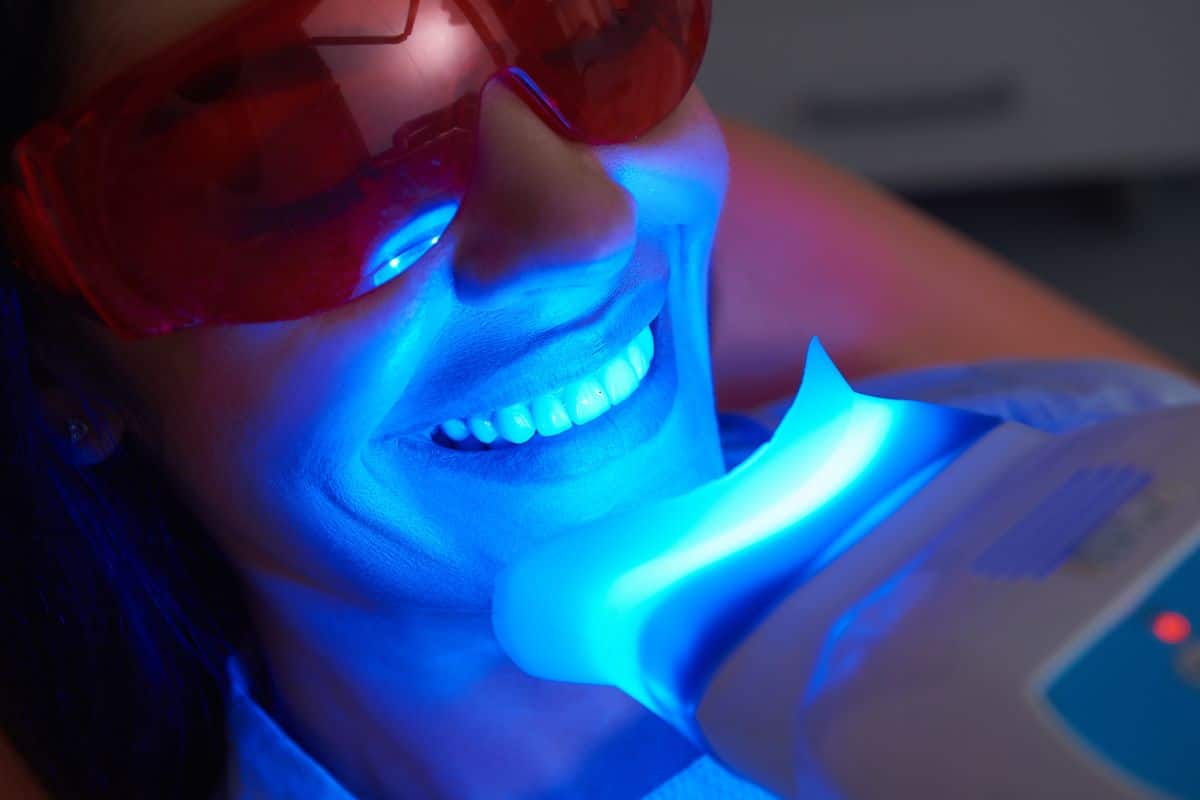
Another option is laser teeth whitening, where a special light is used to activate the bleaching agent applied to your teeth. This can result in faster and more dramatic results compared to other methods.
It’s important to note that not all types of discoloration can be treated with these methods. For example, if your discoloration is caused by underlying health issues or medication side effects, you may need an alternative treatment plan.
While there are several different procedures available for teeth whitening, it’s important to consult with a dental professional before beginning any treatment plan. With proper care and maintenance after treatment, however, you can expect long-lasting results that give you confidence in showing off those pearly whites!
Types of teeth whitening procedures
There are several types of teeth whitening procedures available that can help you achieve a brighter, whiter smile. From professional treatments to at-home methods, here are some common options:
1) In-office bleaching: This is the most effective type of teeth whitening procedure and involves using high-concentration bleach applied to the teeth by a dental professional. The results can be seen almost immediately.
2) At-home bleaching trays: These trays are custom-made by your dentist and filled with a lower concentration of bleach than what is used in an office setting. You wear them for short periods over several weeks.
3) Whitening strips: These are thin, flexible plastic strips coated with a peroxide-based gel that sticks to your teeth. You leave them on for around 30 minutes daily for up to two weeks.
4) Whitening toothpaste: While not as effective as other methods, this option involves using special toothpaste containing gentle abrasives or chemicals that remove surface stains from the enamel.
It’s important to note that not all types of whitening procedures work equally well for everyone, and it’s best to consult with your dentist before choosing one.
The benefits of teeth whitening
Teeth whitening is a popular cosmetic dental procedure with several benefits. One of the primary advantages of teeth whitening is its ability to enhance your smile and boost your confidence levels. A bright, white smile can help you feel more confident in social situations such as job interviews, dates, or weddings.
Another benefit of teeth whitening is that it can remove years’ worth of stains caused by daily habits like smoking, and drinking coffee or wine. These stains can accumulate over time and cause your teeth to appear yellowish or brownish.
Teeth whitening procedures are also non-invasive and painless when performed by a professional dentist. Unlike other cosmetic dental procedures like veneers or crowns, there’s no need for anesthesia during the process.
Furthermore, teeth whitening treatments are relatively quick and easy to perform compared to other dental procedures. In-office bleaching typically takes only an hour to complete, while at-home methods may take a few weeks.
Teeth whitening helps maintain healthy oral hygiene practices because having good-looking teeth encourages people to care for their oral health even more than before!
Teeth whitening not only improves appearance but also boosts confidence levels, which then leads to better performance in life!
The maintenance of teeth whitening
After undergoing a teeth whitening procedure, it is essential to take proper care of your teeth to maintain the results. The maintenance routine largely depends on the type of procedure you underwent.
If you had an in-office treatment, your dentist may recommend using custom-fitted trays and whitening gel at home for touch-ups. Be sure not to overdo it with these touch-ups as excessive use can lead to tooth sensitivity.
For those who opted for at-home treatments such as strips or trays, continuing good oral hygiene practices like brushing twice daily and flossing regularly is crucial. Avoid staining foods and drinks like coffee, tea, red wine, and berries that can reverse the effects of teeth whitening.
It’s also important to visit your dentist regularly for cleanings and checkups. They can help monitor any changes in color or sensitivity while providing additional tips on maintaining white teeth.
In summary, maintaining white teeth involves taking necessary precautions depending on the type of treatment received, such as avoiding foods that cause staining and following good oral hygiene practices while visiting your dentist regularly for dental check-ups.
Summary
In summary, teeth whitening is a cosmetic dental procedure that can brighten and whiten your smile. It involves removing stains and discoloration from your teeth to improve their appearance. There are several types of teeth whitening procedures available today, including in-office treatments, at-home kits, and natural remedies.
The benefits of teeth whitening go beyond just improving the look of your smile. It can boost your confidence and self-esteem while making you appear more attractive to others. However, it’s important to remember that tooth discoloration can have underlying causes such as poor oral hygiene or certain medical conditions.
To maintain the effects of teeth whitening, it’s essential to practice good oral hygiene habits such as brushing twice a day with fluoride toothpaste, flossing daily, and visiting your dentist regularly for checkups and cleanings. Avoiding foods and drinks that stain, like coffee or red wine, will also help keep your newly-whitened smile looking its best.
If you’re interested in achieving a brighter smile through teeth whitening, there are many options available to meet your needs. Just be sure to consult with a dental professional first before beginning any treatment for optimal results!