6351 S Desert Blvd Ste 210, El Paso, TX 79932


croll through social media for more than a minute and you’ll probably see it: a jet-black powder or paste promising a brighter, whiter smile. Charcoal whitening has become one of the most talked-about trends in oral care, and by 2026 it’s grown from a niche DIY hack into a billion-dollar product category.
But does it actually work and is it safe for your teeth? As a trusted Dentist El Paso families rely on, Cielo Dental & Orthodontics gets this question constantly. This guide breaks down what the research really says, how big the charcoal whitening market has become, and what you should know before adding it to your routine.
The Charcoal Whitening Trend: Why It’s Everywhere in 2026
Charcoal whitening products powders, toothpaste, and even whitening pens are marketed as a “natural” alternative to peroxide-based treatments. The appeal is easy to understand.
Consumers today are drawn to:
- Products marketed as natural, chemical-free, or “clean”
- Affordable at-home alternatives to professional treatments
- Eye-catching social media content (few things look more dramatic than black paste on white teeth)
- A growing interest in cosmetic dentistry and smile aesthetics generally
That combination of curiosity, affordability, and social proof has fueled rapid category growth but growth in sales doesn’t necessarily mean growth in effectiveness or safety, and that distinction matters.
Market Growth: How Big Is the Charcoal Whitening Industry?
The numbers behind charcoal whitening are genuinely striking. Industry analysts tracking the category report substantial, sustained expansion heading into 2026 and beyond.
- One market report values the global activated charcoal teeth whitening powder market at USD 1.2 billion in 2026, forecasting growth to roughly USD 2.5 billion by 2033.
- A separate analysis of the broader charcoal toothpaste category found it was worth about $847.3 million in 2025 and projected to reach $1,842.6 million by 2034, with growth driven largely by e-commerce and cleaner-label marketing.
- Another industry report puts the activated charcoal toothpaste market at roughly $1.8 billion in 2025, projected to hit $4.7 billion by 2034, noting North America currently holds the largest regional share.
- Zooming out, the overall teeth whitening products market which includes charcoal alongside strips, gels, and professional treatments was valued at about $8.50 billion in 2025 and is projected to grow to $14.93 billion by 2034.
In short, charcoal whitening isn’t a passing fad. It’s a fast-growing segment of a much larger whitening industry, driven by social media influence, e-commerce access, and consumer demand for “natural” alternatives.
That popularity, however, is exactly why patients need clear, evidence-based information not just marketing claims.
What Does the Research Actually Say About Charcoal Whitening?
This is where things get more complicated, and it’s the most important section for anyone considering trying it.
Does Charcoal Whitening Actually Work?
Activated charcoal is porous and absorbent, which is why it’s used in some medical settings to bind toxins. Marketers have applied that same logic to teeth, claiming it can “absorb” stains.
In reality, a systematic review of in-vitro studies found that charcoal-based toothpastes produce a lower whitening effect than other whitening alternatives, and may be considered less safe due to their abrasive potential. Charcoal may remove some surface-level residue through mild abrasion, but it does not change the natural color of the tooth itself the way professional bleaching agents do.
Is Charcoal Whitening Safe for Enamel?
This is the bigger concern for most dentists. Laboratory research comparing whitening methods has specifically examined how activated-charcoal-based whitening toothpaste affects enamel surface roughness a marker of how abrasive a product is over repeated use.
Dental professionals commonly note that charcoal particles can:
- Be abrasive enough to gradually wear down protective enamel
- Increase tooth sensitivity over time
- Irritate gum tissue, especially with frequent or aggressive brushing
Once enamel wears away, the effect can actually work against your goals. As enamel thins, the underlying dentin layer becomes more visible, which is generally where yellowing occurs meaning overuse of charcoal products can make teeth look more yellow, not less, over time.
What Does the ADA Say About Charcoal Whitening?
The American Dental Association (ADA) has been notably cautious. The ADA does not endorse activated charcoal for teeth whitening and warns that many charcoal-based products lack fluoride, are highly abrasive, and haven’t undergone rigorous safety or efficacy testing.
Most charcoal products also don’t carry the ADA Seal of Acceptance. Without that seal, a product hasn’t been independently verified for safety and effectiveness which is worth knowing before you commit to a daily routine built around one.
Potential Risks and Side Effects of Charcoal Whitening
Beyond enamel wear, there are a few additional considerations patients should be aware of:
- Lack of fluoride protection. Many charcoal toothpastes skip fluoride, which is essential for cavity prevention and remineralization.
- Gum irritation. Gritty formulas can irritate soft tissue, potentially contributing to gum recession over time.
- Messiness and staining of restorations. Charcoal can settle into grooves, crowns, veneers, or bonding, sometimes causing discoloration rather than preventing it.
- Interaction with medications, if swallowed. Activated charcoal’s absorbent properties can interfere with certain medications, including oral contraceptives, if ingested regularly.
None of this means charcoal products are dangerous in every case but it does mean they aren’t a risk-free “natural” shortcut, and they work differently than most people assume.
Charcoal Whitening vs. Professional Teeth Whitening
It’s helpful to compare charcoal whitening to whitening treatments performed or supervised by a dentist.
| Charcoal Whitening | Professional Whitening | |
|---|---|---|
| Mechanism | Mild surface abrasion | Peroxide-based bleaching that penetrates enamel |
| Results | Limited, surface-level | Noticeable, consistent shade change |
| Enamel safety | Can be abrasive with frequent use | Monitored and controlled by a dentist |
| Fluoride content | Often absent | Typically included in aftercare |
| Regulatory backing | Rarely ADA-approved | Often ADA-accepted or professionally administered |
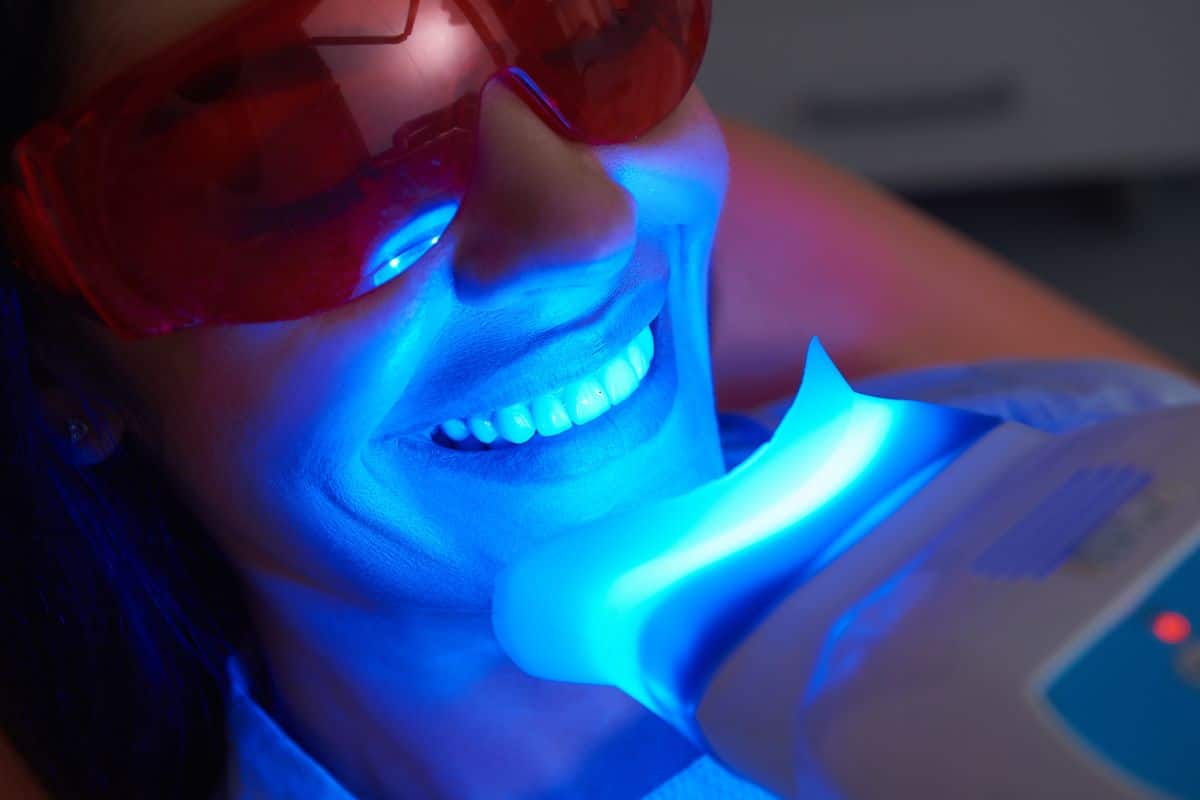
Professional whitening treatments are designed and monitored to lighten the actual color of the tooth structure, not just remove surface debris which is why results tend to be more predictable and longer-lasting.
How to Use Charcoal Products Safely (If You Choose To)
If you’re still curious about trying a charcoal product, dentists generally recommend a cautious approach rather than daily use.
- Use charcoal products only occasionally, not as a daily toothpaste replacement
- Choose a soft-bristled brush and light pressure to limit abrasion
- Look for products that still contain fluoride
- Avoid charcoal products entirely if you already experience tooth sensitivity or enamel wear
- Talk to your dentist before starting, especially if you have crowns, veneers, or ongoing dental work
Why See a Dentist Before Trying Charcoal Whitening
Every mouth is different, and what’s “mildly abrasive” for one person can be genuinely harmful for another particularly if enamel is already thin, gums are receding, or sensitivity is an issue.
At Cielo Dental & Orthodontics, our team evaluates your enamel health, existing dental work, and whitening goals before recommending any product or treatment. As an experienced Dentist El Paso patients turn to for both cosmetic and general dentistry, we can help you achieve whiter teeth safely without gambling on unregulated trends.
Questions Our Patients Often Ask
Can charcoal toothpaste really whiten my teeth?
It may help remove some surface stains through light abrasion, but current research shows it does not change the natural color of teeth the way professional whitening does.
Is charcoal whitening bad for enamel?
It can be, especially with frequent or aggressive use. Because charcoal is abrasive, regular use may gradually wear down enamel and increase sensitivity.
Why does the ADA not recommend charcoal whitening products?
The ADA has stated there isn’t enough scientific evidence confirming charcoal products are both safe and effective, and most charcoal toothpastes lack the ADA Seal of Acceptance.
Is it safe to use charcoal toothpaste occasionally?
Occasional, gentle use is generally considered lower-risk than daily use, but it’s still best to check with your dentist first particularly if you have veneers, crowns, or sensitive teeth.
What’s a safer alternative if I want whiter teeth?
Professional whitening treatments, whether in-office or dentist-supervised take-home kits, are formulated to lighten tooth color safely and are backed by more consistent research and results.
Will charcoal toothpaste protect against cavities?
Usually not on its own. Many charcoal formulas lack fluoride, so it’s a good idea to alternate with or add a fluoride toothpaste to protect against decay.
Final Thoughts: Making an Informed Choice About Charcoal Whitening
Charcoal whitening is popular, and the market shows no signs of slowing down heading through 2026. But popularity isn’t the same as proof. Current research suggests charcoal products offer limited whitening benefit and carry real risks to enamel and gum health when used incorrectly or too often.
The safest path to a brighter, healthier smile is one guided by a professional who knows your dental history. Whether you’re curious about charcoal products, interested in professional whitening, or simply due for a checkup, the team at Cielo Dental & Orthodontics is here to help you make a confident, informed decision.
Schedule your appointment today with Cielo Dental & Orthodontics in El Paso, TX 79932, and let our team help you find a whitening approach that’s both effective and safe for your smile.