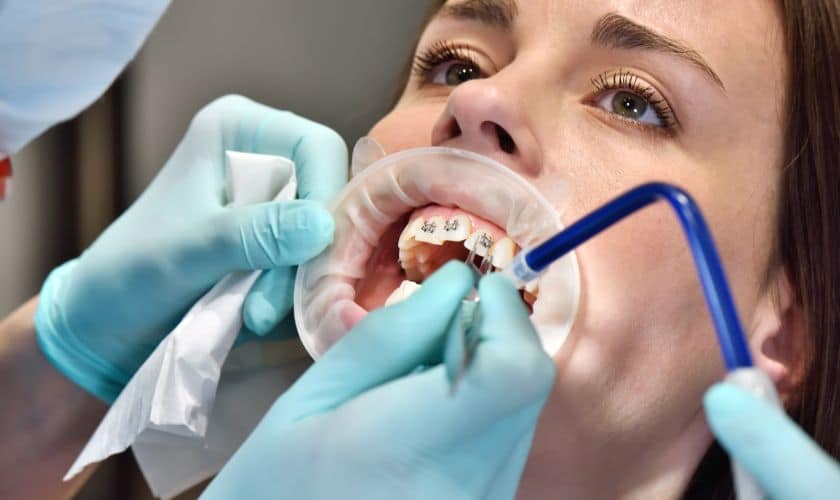
Braces are a common orthodontic treatment designed to correct misaligned teeth and jaw problems. While they are highly effective in achieving a beautiful, straight smile, one aspect that often concerns patients is the discomfort associated with wearing braces. Throughout treatment, patients may experience varying levels of discomfort, but which stage of braces hurts the most? In this comprehensive guide, we’ll delve into the different stages of braces treatment, explore the factors contributing to discomfort, and provide tips on managing pain. If you’re considering braces or undergoing treatment elsewhere, this article is for you.
Understanding the Stages of Braces Treatment
Braces treatment typically consists of several stages, each with unique challenges and discomfort levels. Let’s break down these stages:
1. Initial Placement
The first stage of braces treatment is the initial placement of the braces. During this appointment, your orthodontist will affix the brackets to your teeth using dental cement and secure the archwires in place. While this process is generally not painful, some patients may experience mild discomfort or pressure as the braces are adjusted and positioned.
2. Adjustment Period
Following the initial placement, there is an adjustment period during which your teeth gradually shift into their desired positions. This stage typically lasts a few days to a week and may involve some discomfort as your teeth begin to move. You may experience soreness or tenderness in your mouth, particularly around the brackets and wires.
3. Tightening Appointments
Throughout your braces treatment, you will have regular tightening appointments with your orthodontist in El Paso. The archwires will be adjusted or replaced during these appointments to continue the tooth movement process. Tightening appointments can cause varying levels of discomfort, depending on the extent of the adjustments made. Patients often describe a feeling of pressure or soreness in the days following a tightening appointment.
4. Maintenance Phase
Once your teeth have shifted into their desired positions, you will enter the maintenance phase of braces treatment. During this stage, you will still wear your braces to prevent your teeth from shifting back out of alignment. While the discomfort associated with this stage is typically less than in earlier stages, you may still experience occasional soreness or irritation, especially after adjustments or repairs.
Factors Contributing to Discomfort
Several factors contribute to the discomfort experienced during braces treatment:
1. Pressure on Teeth and Gums
The primary mechanism of braces is applying gentle pressure to move teeth into alignment. This pressure can cause soreness or discomfort, particularly in the days following adjustments or tightening appointments.
2. Irritation from Brackets and Wires
The brackets and wires of braces can rub against the inside of your cheeks and lips, causing irritation or sores. While this discomfort is usually mild, it can be exacerbated by certain foods or activities.
3. Soft Tissue Changes
As your teeth shift into alignment, the surrounding soft tissues, such as your gums and cheeks, may change. This can lead to soreness or tenderness as your mouth adapts to the new positioning of your teeth.
4. Orthodontic Appliances
In addition to traditional braces, some patients may require additional orthodontic appliances, such as rubber bands or spacers. These appliances can contribute to discomfort, particularly during the initial adjustment period.
Managing Pain and Discomfort
While discomfort is a common aspect of braces treatment, there are several strategies you can employ to manage pain effectively:
1. Over-the-Counter Pain Relief
Over-the-counter pain relievers, such as ibuprofen or acetaminophen, can help alleviate discomfort associated with braces. Be sure to follow the recommended dosage instructions and consult with your orthodontist if you have any concerns.
2. Orthodontic Wax
Orthodontic wax can be applied to brackets or wires that are causing irritation or rubbing against the inside of your mouth. Simply place a small amount of wax over the offending area to create a smooth surface and reduce friction.
3. Soft Foods
During periods of discomfort, stick to soft foods that are easy to chew and won’t exacerbate soreness. Soups, smoothies, yogurt, and mashed potatoes are all excellent options that won’t put additional pressure on your teeth.
4. Saltwater Rinse
Rinsing your mouth with a warm saltwater solution can help soothe sore gums and reduce inflammation. Mix a teaspoon of salt into a glass of warm water and swish the solution around your mouth for 30 seconds before spitting it out.
While braces treatment can be accompanied by discomfort at various stages, the pain is usually manageable and temporary. By understanding the different stages of braces treatment and implementing effective pain management strategies, you can minimize discomfort and achieve the smile of your dreams. If you’re considering braces in El Paso or undergoing treatment elsewhere, don’t let fear of discomfort deter you from seeking orthodontic care. With proper care and guidance from your orthodontist, you’ll soon be on your way to a straighter, healthier smile.