6351 S Desert Blvd Ste 210, El Paso, TX 79932



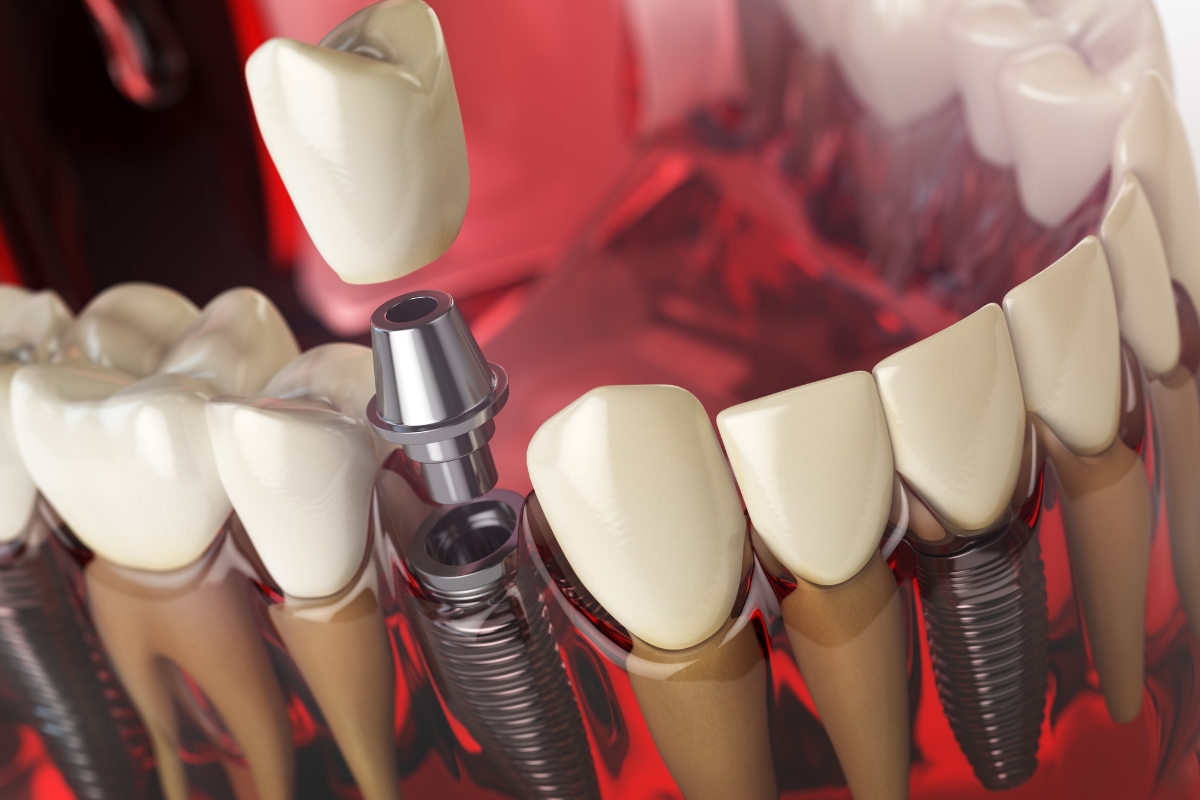
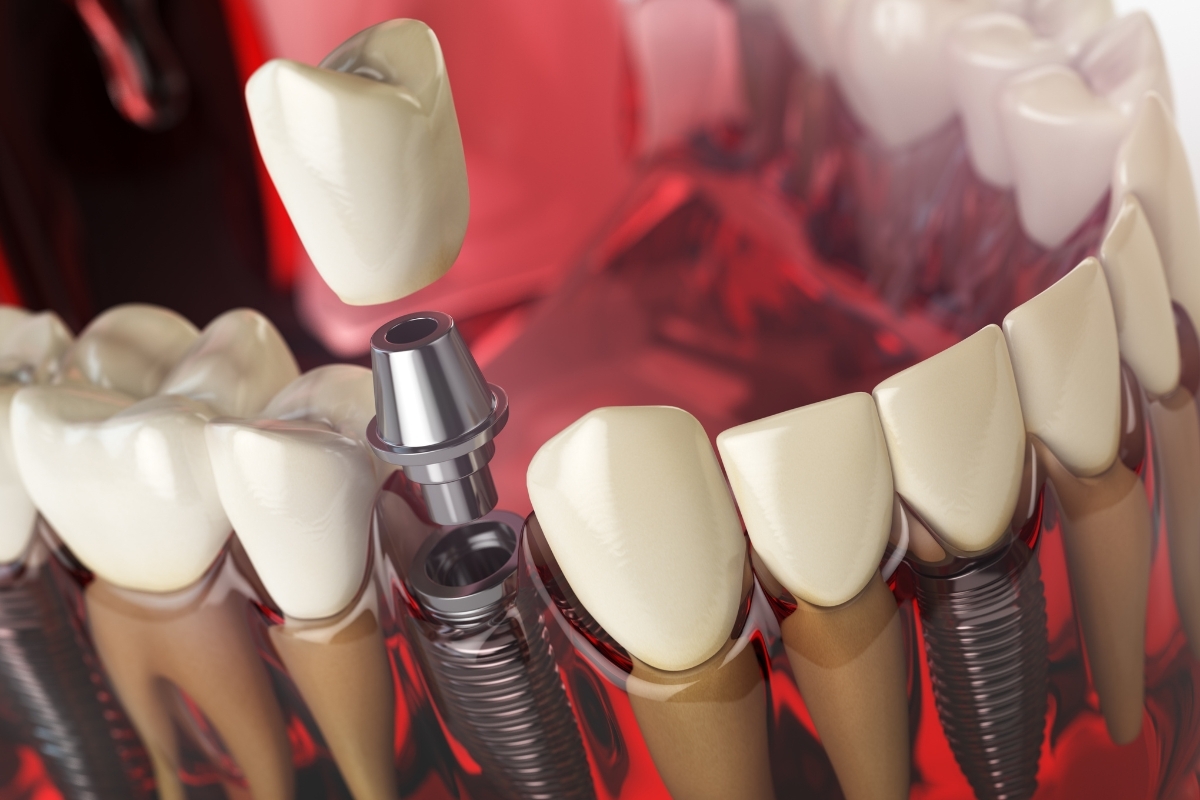
Dental health is an integral part of overall well-being, and missing teeth can have significant impacts on both appearance and functionality. While there are various solutions for tooth loss, dental implants stand out as a durable and long-term option.
If you’re experiencing tooth loss or considering your options, it’s essential to recognize the signs that indicate you may benefit from dental implants. In this article, we’ll explore nine signs that suggest it’s time to consider dental implants as a viable solution.
1. Persistent Tooth Pain and Discomfort
One of the primary indicators that you may need dental implants is persistent tooth pain or discomfort. This discomfort can stem from various dental issues, including decay, infection, or trauma. When conventional treatments like fillings or root canals are no longer effective, dental implants offer a reliable alternative. By replacing the damaged or decayed tooth with a prosthetic implant, you can alleviate pain and restore normal dental function.
2. Difficulty Chewing and Eating
Missing teeth can significantly impact your ability to chew and eat comfortably. If you find yourself avoiding certain foods or experiencing pain while chewing, it may be time to consider dental implants.
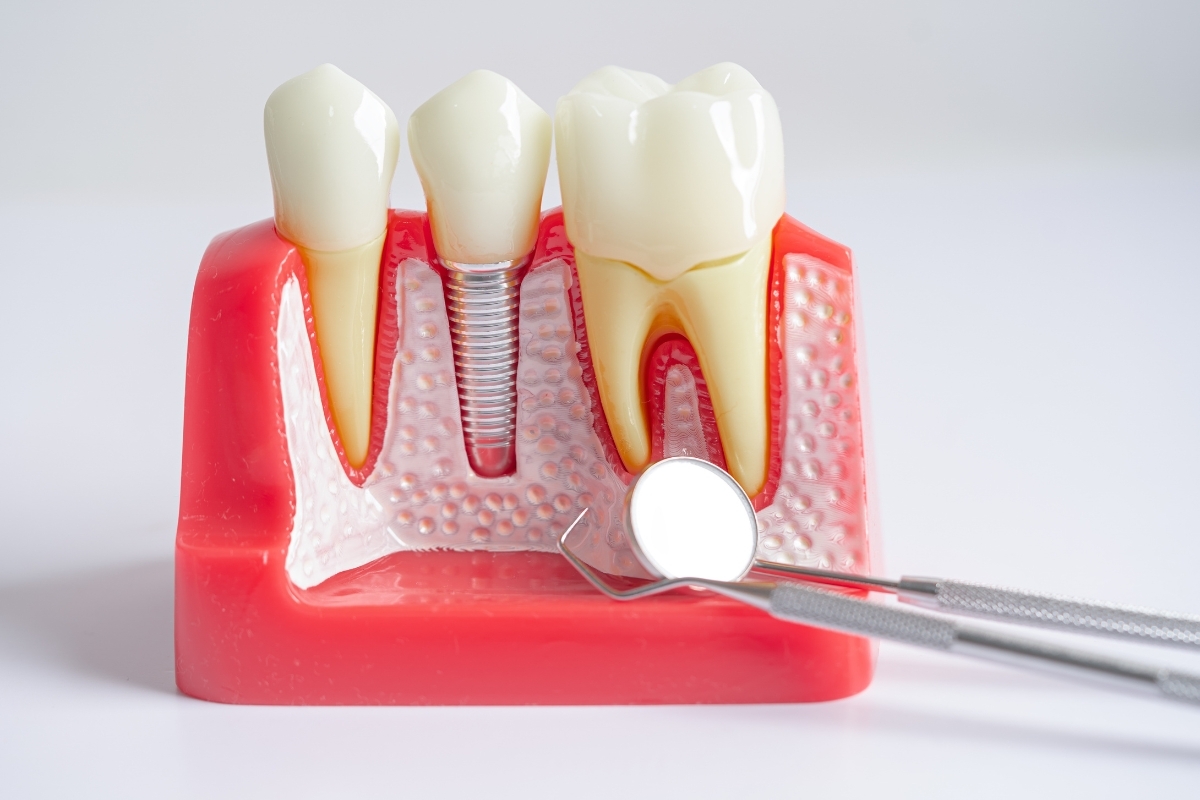
Unlike removable dentures, implants are firmly anchored in the jawbone, providing stability and allowing you to enjoy your favorite foods without restrictions. With dental implants, you can regain confidence in your ability to eat comfortably and maintain a balanced diet.
3. Changes in Speech or Pronunciation
Another sign that you may benefit from dental implants is changes in speech or pronunciation. Missing teeth can alter the way your tongue and lips interact when forming sounds, leading to speech impediments or slurred speech.
Dental implants can help restore proper oral alignment, allowing you to speak clearly and confidently. Whether you’re struggling with lisping or difficulty articulating certain words, dental implants can improve your speech and overall communication skills.
4. Jawbone Deterioration and Shifting Teeth
One of the less noticeable but significant consequences of tooth loss is jawbone deterioration. When a tooth is missing, the surrounding bone tissue begins to weaken and deteriorate over time. This can lead to changes in facial structure, such as a sunken appearance or sagging cheeks.
Additionally, adjacent teeth may start to shift or become misaligned, further exacerbating dental issues. Dental implants not only replace missing teeth but also stimulate the underlying jawbone, preventing bone loss and preserving facial contours.
5. Self-Consciousness About Your Smile
Aesthetic concerns are another common reason why individuals consider dental implants. Missing teeth can affect the appearance of your smile, leading to self-consciousness and low self-esteem. Whether you’re hesitant to smile in photos or avoid social situations altogether, dental implants offer a solution that looks and feels natural. With implants, you can restore a confident and radiant smile, enhancing your overall sense of well-being and self-assurance.
6. Difficulty Maintaining Oral Hygiene
Maintaining proper oral hygiene is essential for preventing dental issues and preserving overall oral health. However, missing teeth can make it challenging to clean hard-to-reach areas and effectively remove plaque and bacteria.
As a result, individuals with missing teeth may be at a higher risk of developing gum disease, cavities, and other oral health problems. Dental implants provide a permanent and stable foundation for replacement teeth, making it easier to maintain optimal oral hygiene practices and reduce the risk of dental complications.
7. Wear and Tear on Adjacent Teeth
When a tooth is missing, adjacent teeth may bear additional pressure and strain while chewing, leading to premature wear and tear. Over time, this can weaken the surrounding teeth and increase the risk of further tooth loss.
Dental implants help distribute chewing forces evenly across the dental arch, reducing the likelihood of excessive wear on neighboring teeth. By preserving the integrity of adjacent teeth, implants contribute to long-term oral health and stability.
8. Limited Treatment Options
In some cases, conventional dental treatments may not be suitable or effective for addressing extensive tooth loss or dental damage. Individuals with multiple missing teeth or compromised oral health may find that options like bridges or dentures are not viable long-term solutions.
Dental implants offer a versatile and customizable treatment option that can accommodate various dental needs and preferences. Whether you need to replace a single tooth or an entire dental arch, implants can provide durable and natural-looking results.
9. Desire for Long-Term Tooth Replacement
Finally, if you’re looking for a long-term solution for tooth replacement, dental implants are an excellent choice. Unlike traditional dentures or bridges, which may need to be replaced or adjusted periodically, implants are designed to last a lifetime with proper care and maintenance. By integrating with the jawbone, implants become a permanent part of your dental anatomy, providing stability, functionality, and aesthetic appeal for years to come.
Dental implants offer a comprehensive solution for individuals experiencing tooth loss or dental issues. By recognizing the signs that indicate you may benefit from implants, you can take proactive steps to restore your oral health and quality of life. Whether you’re struggling with persistent pain, difficulty chewing, or aesthetic concerns, dental implants provide a durable and long-lasting solution that looks and feels natural.
If you’re considering dental implants, consult with a qualified dental professional to determine the best treatment plan for your individual needs and goals. With proper care and maintenance, dental implants can help you enjoy a healthy and confident smile for years to come.