6351 S Desert Blvd Ste 210, El Paso, TX 79932


When it comes to dental procedures, one of the most common and popular options is dental crowns. These tooth-shaped caps are placed over damaged or decayed teeth, providing both protection and aesthetic appeal. But as with any procedure, there are pros and cons to consider before making a decision. In this blog post, we’ll explore the benefits and drawbacks of dental crowns so you can make an informed choice about your oral health.
What are dental crowns?
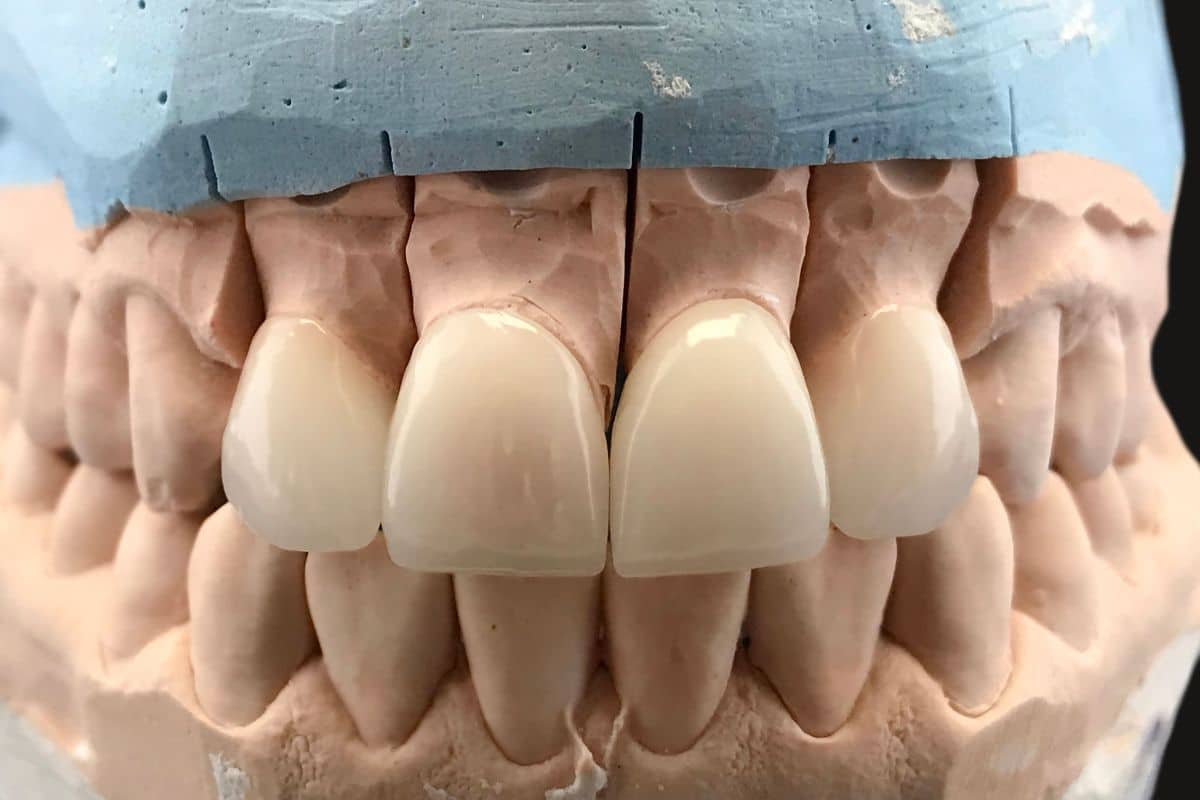
Dental crowns are a type of restorative dental procedure that involves placing a cap over an existing tooth or implant. These caps are custom-made to fit your individual teeth and are designed to restore the natural shape, size, and function of the tooth.
The most common reasons for getting a dental crown include repairing damage due to decay or injury, improving the appearance of discolored or misshapen teeth, strengthening weakened teeth due to large fillings or root canals, and protecting teeth after undergoing certain types of dental procedures.
There are several different materials that can be used in creating dental crowns including porcelain, ceramic, metal alloys (such as gold), and resin-based materials like composite resin and zirconia.
Depending on the specific needs of each patient’s unique situation will determine which type of material is best suited for their case. Your dentist will work with you individually to evaluate your oral health status along with any personal preferences before recommending one type over another.
Dental crowns offer an excellent solution for restoring damaged teeth while providing long-lasting results. So if you have chipped or broken teeth then it’s worth considering this restorative treatment option!
The pros of dental crowns
Dental crowns have become a popular solution for many dental problems, and it’s easy to see why. Here are some of the pros of getting a dental crown.
Firstly, one of the biggest advantages is that they can help restore your smile. Whether you have chipped or broken teeth or discoloration that cannot be corrected with whitening treatments, dental crowns can provide an aesthetically pleasing solution.
Secondly, dental crowns are incredibly durable and long-lasting. They are designed to withstand the daily wear and tear that comes with eating and speaking without any trouble at all. With proper care and maintenance, a good quality crown can easily last up to 15 years!
Thirdly, there is minimal recovery time needed after getting a crown fitted. The procedure itself only takes about an hour or two (depending on how many teeth require treatment), which means you won’t need to take too much time off work afterward.
By covering damaged teeth with crowns instead of extracting them completely, patients can avoid the costs associated with tooth replacement options like implants or dentures.
While there are some downsides associated with getting a dental crown (which we’ll cover in another section), these benefits make them an excellent option for those looking to restore their smile quickly and efficiently!
The cons of dental crowns
While dental crowns have their benefits, there are also some cons to consider before deciding whether they’re the right option for you.
One potential downside is that getting a crown requires removing a portion of the tooth. This can weaken the overall structure of the tooth and make it more susceptible to future damage or decay.
Dental crowns can also be costly, especially if you don’t have insurance coverage. Additionally, not all types of dental insurance cover crowns, so it’s important to check with your provider before scheduling any major dental work.
Another con is that getting a crown typically involves multiple visits to the dentist. You’ll need at least two appointments – one to prepare your tooth and take impressions, and another to place the final crown.
Some people may experience sensitivity or discomfort after getting a crown. While this usually subsides within a few days or weeks, it’s important to talk with your dentist if you continue experiencing pain or discomfort beyond this period.
While there are some potential drawbacks associated with dental crowns, many people find them an effective solution for restoring damaged teeth and improving oral health.
How to know if you need a dental crown?
If you have a damaged or decayed tooth, dental crowns may be the solution to help restore it. But how do you know if you need one? Here are some signs that indicate you may require a dental crown.
Firstly, if your tooth is broken or cracked, a dental crown can provide support and protection while restoring its shape and function. Additionally, if your tooth has a large filling or multiple fillings, it may become weak over time and require a crown for extra strength.
Another instance where a dental crown might be necessary is when there is significant decay present in the tooth. The decay needs to be removed before placing the crown on top of the remaining healthy structure.
If you experience pain while biting down or chewing food due to an existing cavity, it’s important to see your dentist as soon as possible. In some cases, this discomfort can also indicate nerve damage which would typically lead to needing root canal treatment followed by placement of a crown on top.
Regular check-ups with your dentist will allow them to assess whether any teeth require restorative measures like crowns – so don’t put off those appointments!
The different types of dental crowns
There are several types of dental crowns available, each with its own set of advantages and disadvantages.
1. One type is the porcelain-fused-to-metal (PFM) crown, which consists of a metal base covered by a layer of tooth-colored porcelain. While these crowns provide good durability and natural-looking aesthetics, they can sometimes display a visible dark line where the metal meets the gum line.
2. All-ceramic or all-porcelain crowns are another option that offers excellent aesthetics as they blend seamlessly with surrounding teeth. However, they may not be as strong as other types of crowns and may not be suitable for patients who grind their teeth.
3. Gold alloy crowns are highly durable and long-lasting but may stand out in terms of appearance due to their metallic color. They’re often used on back molars where strength is critical.
4. Zirconia or milled crown options have become increasingly popular in recent years due to their strength and aesthetic appeal. They offer excellent durability while still providing an attractive appearance that closely matches natural teeth.
Ultimately, your dentist will help you decide which type of crown is best suited for your needs based on several factors like budget, personal preferences, location within the mouth, etc.
Summary
To sum it up, dental crowns can be a great solution for various dental issues. They offer durability and protection to damaged teeth while also improving their appearance. However, they are not without their downsides such as cost and potential complications like sensitivity or chipping.
If you think you may need a dental crown, consult with your dentist to determine the best course of action based on your individual situation. And if you do opt for a crown, make sure to properly care for it through regular brushing and flossing.
Ultimately, whether or not a dental crown is the right choice for you depends on multiple factors that should be discussed with your dentist beforehand. By weighing both the pros and cons of dental crowns along with professional guidance from your dentist, you can make an informed decision about what’s best for your oral health in the long run.