6351 S Desert Blvd Ste 210, El Paso, TX 79932


Some teeth just get tired. Maybe it’s a big old filling that’s taken a beating for years. Maybe a crack showed up out of nowhere, or a root canal left the tooth a little fragile. Whatever the reason, a weak tooth is a ticking clock. It might hold on for a while, but one bad bite and it can split, leaving you with a much bigger problem.
That’s where crowns come in. Let’s talk about what they actually do, and why dental crowns in El Paso are one of the most trusted ways to save a tooth that’s struggling.
What Is a Dental Crown?
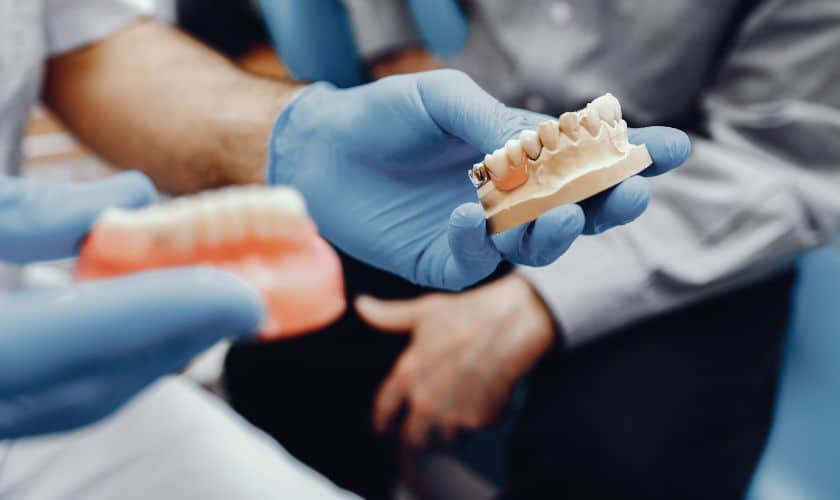
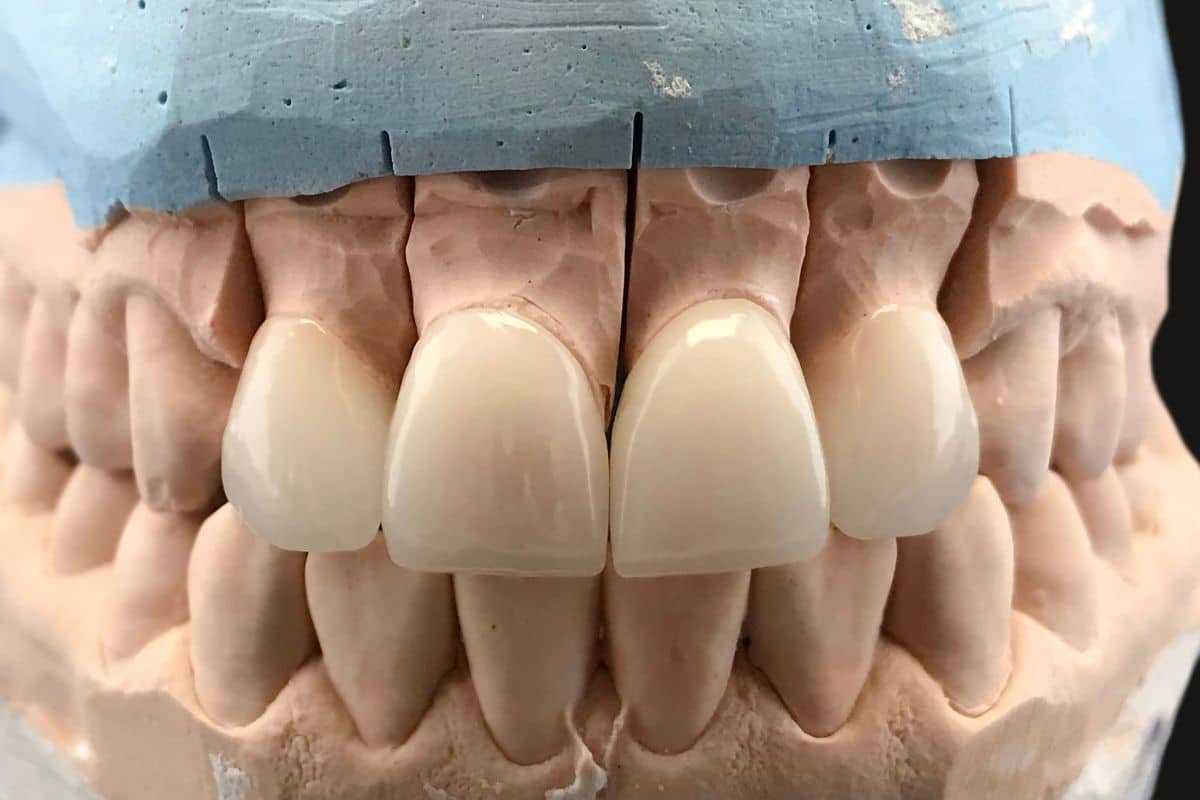
A crown is a custom-made cap that fits over the entire visible part of a tooth, from the gumline up. Think of it like a helmet for your tooth. It’s usually made of porcelain, ceramic, metal, or a combination, and it’s shaped and colored to blend with your natural smile. Unlike a veneer, which covers just the front, a crown surrounds the whole tooth, which is exactly why it offers such strong protection.
7 Ways Dental Crowns Protect Weak or Damaged Teeth
1. They Hold Cracked Teeth Together
A cracked tooth is tricky. The crack can widen every time you chew, letting bacteria sneak in and eventually reach the nerve. A crown wraps around the tooth and holds the pieces together, spreading biting force evenly instead of letting it pry the crack open. For many cracks, that’s the difference between saving the tooth and losing it.
2. They Strengthen Teeth With Large Fillings
Big fillings leave less natural tooth behind, and what’s left can become thin and brittle. Over time, the tooth might fracture around the filling. A crown replaces that weakened structure with a strong, durable covering, so the tooth can handle everyday chewing without splitting.
3. They Protect Teeth After a Root Canal
After a root canal, the tooth loses its blood supply and becomes more brittle, plus a lot of structure is removed to clean out the infection. That’s why dentists usually recommend a crown afterward, especially on back teeth that handle heavy chewing. Getting dental crowns near El Paso soon after the root canal reduces the risk of the tooth breaking.
4. They Restore Worn-Down Teeth
Grinding, acid erosion, and years of chewing can wear teeth down until they’re short, flat, or sensitive. A crown rebuilds the lost height and shape, protecting what’s left of the tooth and bringing back normal chewing. It can also take pressure off your jaw, since a properly shaped bite is easier on everything.
5. They Cover Teeth Damaged by Large Cavities
When decay destroys too much of a tooth for a filling to hold, a crown steps in. Your dentist removes the decay, rebuilds the tooth if needed, and then caps it. That seals out bacteria and prevents further breakdown. Honestly, it’s often the only way to keep a tooth that’s been that badly damaged.
6. They Anchor Bridges and Cover Implants
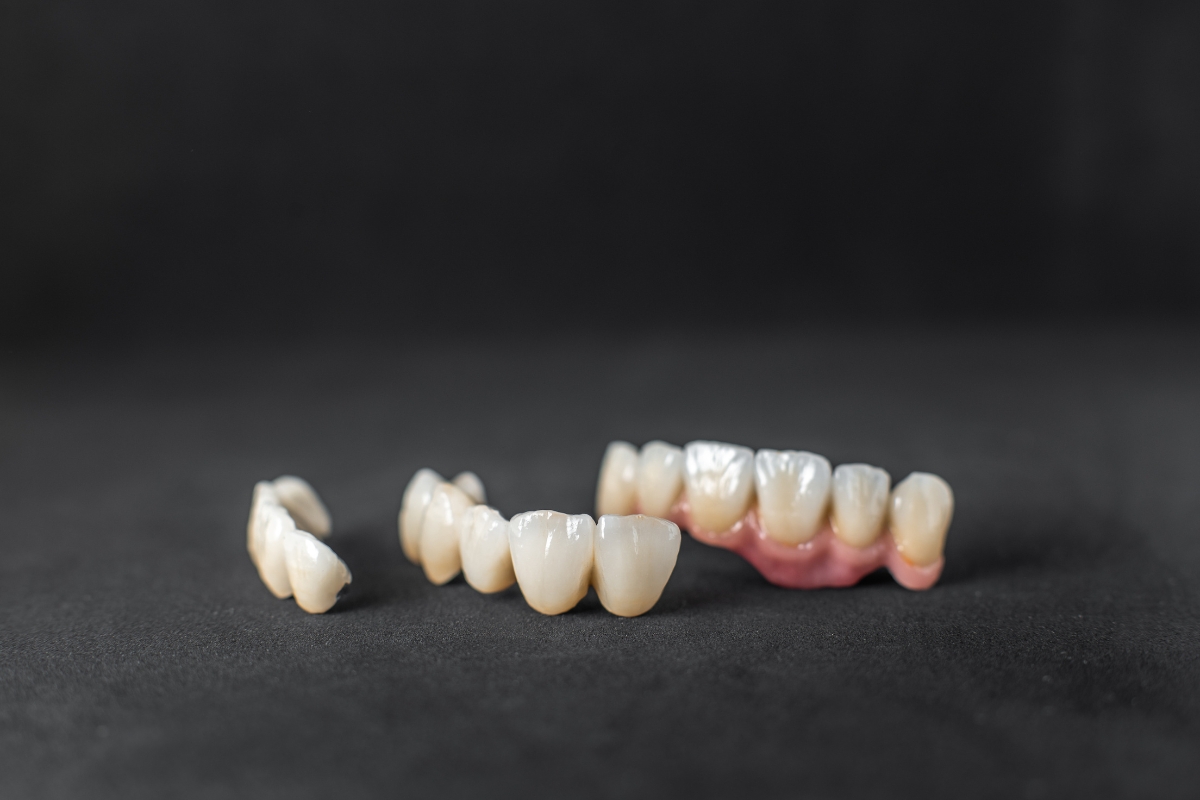
Crowns do more than protect natural teeth. They also sit on either side of a bridge to hold it in place, and they top dental implants to replace missing teeth. In both cases, they provide the strong, natural-looking chewing surface that makes the whole restoration work. So when you hear “crown,” it isn’t always about a damaged tooth. Sometimes it’s about replacing one.
7. They Improve Appearance While Protecting the Tooth
Here’s a bonus. Crowns fix function and looks at the same time. A misshapen, badly stained, or discolored tooth can be covered with a crown that matches your other teeth. So you protect the tooth and improve your smile in one step, which is a pretty great deal. This is another reason many people choose dental crowns in El Paso when a tooth needs both strength and a better look.
What Are Crowns Made Of?
There are a few options. Porcelain and ceramic crowns look the most natural, which makes them a popular choice for front teeth. Metal crowns, like gold alloys, are very strong and long-lasting, so they work well for back teeth. Porcelain-fused-to-metal crowns combine strength and a natural look. Zirconia crowns are also popular, offering both durability and good aesthetics. Your dentist will recommend the best material based on the tooth’s location, your bite, and your goals.
What Does Getting a Crown Involve?
It’s usually two visits. During the first, your dentist numbs the area, reshapes the tooth, and takes impressions or digital scans. A temporary crown protects the tooth while the permanent one is made, usually within a couple of weeks. At the second visit, the permanent crown gets fitted, adjusted, and cemented in place. Some offices can even make crowns in a single day with same-day technology, depending on the case.
How Long Do Crowns Last?
Most crowns last 10 to 15 years, sometimes longer with good care. Brushing, flossing, avoiding hard foods like ice, and keeping up with checkups all help. If you grind your teeth, a nightguard protects your crown from extra wear. A provider of dental crowns in El Paso can check the condition of your crown at each visit and catch small issues early.
Do You Always Need a Crown for a Damaged Tooth?
Not always. Small chips or minor decay can often be fixed with bonding or a filling. A crown makes the most sense when a tooth has lost a lot of structure, has a crack, or needs extra protection after a root canal. Your dentist can tell you whether a simpler fix will do, or whether a crown is the smarter long-term choice.
FAQ: Frequently Asked Questions
Q: Does getting a crown hurt?
A: The area is numbed during the procedure, so you shouldn’t feel pain. Mild soreness or sensitivity afterward is normal and usually fades within a few days.
Q: Can a tooth with a crown still get cavities?
A: Yes. The crown itself can’t decay, but the natural tooth underneath can, especially at the edge near the gumline. Good brushing and flossing still matter.
Q: How long does it take to get a crown?
A: Usually two visits over a couple of weeks, though some offices offer same-day crowns depending on the case.
Q: Will a crown look natural?
A: Yes. Crowns are custom-shaded and shaped to match your surrounding teeth, so most people can’t tell which tooth is crowned.
Q: Is a crown better than a filling?
A: It depends. Fillings work for small to moderate damage, while crowns suit teeth that are badly cracked, heavily filled, or weakened.
Protect Your Tooth Before It’s Too Late
A weak tooth rarely fixes itself. The sooner you protect it, the better your chances of keeping it for the long haul, and the simpler the treatment usually is.
At Cielo Dental & Orthodontics, our team offers personalized exams and reliable dental crowns in El Paso, so your damaged or weak teeth get the strength and protection they need. Book an appointment or visit our clinic at 6351 S Desert Blvd #210, El Paso, TX 79932, to improve your dental health.