6351 S Desert Blvd Ste 210, El Paso, TX 79932


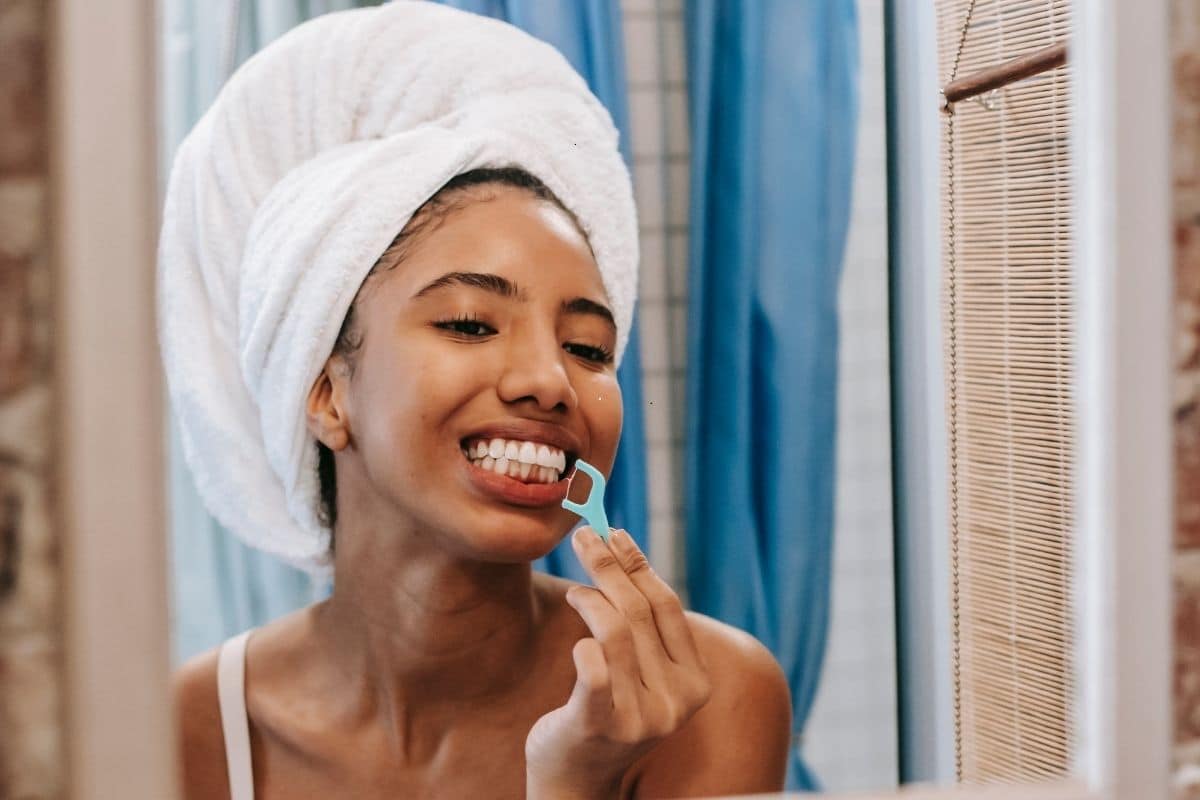
You already know you’re supposed to clean between your teeth every day. But when you stand in the dental aisle staring at spools of floss, plastic picks, and water flossers, it’s easy to feel stuck. Which one actually works? Which one will you actually use?
That second question matters more than most people realize. The best interdental cleaning tool isn’t necessarily the one your dentist prefers in theory it’s the one you’ll pick up every single night. In this guide, we’ll break down the real differences in the Floss vs Picks debate, so you can choose a method that fits your teeth, your dexterity, and your daily routine.
At Cielo Dental & Orthodontics in El Paso, TX, we talk to patients about this almost every week. So let’s settle it, once and for all.
Why Cleaning Between Your Teeth Matters
Your toothbrush is great at cleaning the flat surfaces of your teeth, but it can’t reach the tight spaces between them. That’s where plaque quietly builds up.
- Plaque left between teeth hardens into tartar within 24–72 hours
- Tartar buildup leads to gum inflammation, bad breath, and cavities
- Interdental cleaning removes food particles brushing alone misses
Skipping this step is one of the most common reasons patients develop gum disease, even when they brush twice a day. So whether you choose floss or picks, doing something daily is non-negotiable.
Floss vs Picks: A Quick Overview
Before diving into pros and cons, here’s the short version:
- Dental Floss: A thin nylon or PTFE thread designed to clean between teeth and below the gumline. It is considered the gold standard for cleaning tight, curved contact points where toothbrushes cannot reach.
- Dental Picks/Stick: Small plastic or wooden tools with a pointed tip that help remove food particles and plaque from between teeth. Many designs also include a small brush on one end for added cleaning.
- Interdental Brushes: Tiny, bottle-brush-shaped cleaners available in different sizes. They are ideal for wider spaces between teeth, around dental implants, bridges, and orthodontic appliances.
- Water Flossers: Devices that use a pressurized stream of water to flush away food debris and plaque from between teeth and along the gumline. They are a convenient modern alternative, especially for people with braces, implants, or limited dexterity.
Each has its place. The right choice really comes down to your gum health, tooth spacing, and how comfortable the tool feels in your hand.
The Case for Traditional Floss
How It Works
Floss is a thin strand of material you slide between teeth and curve into a “C” shape against each tooth surface, gently moving it up and down below the gumline.
Benefits of Floss
- Reaches tight contact points that picks often can’t
- Wraps around the curve of each tooth for a thorough clean
- Inexpensive and widely available
- Comes in waxed, unwaxed, flavored, and PTFE (glide-style) options
Drawbacks of Floss
- Requires good hand dexterity and technique
- Can be uncomfortable for people with braces, bridges, or arthritis
- Some patients find it time-consuming or awkward to use correctly
For patients with naturally tight teeth or minimal gum recession, traditional floss remains one of the most effective tools available. Technique matters more than the product itself a gentle sawing motion, rather than snapping the floss into the gums, prevents irritation.
The Case for Dental Picks and Sticks
How They Work
Picks and sticks are rigid or semi-rigid tools with a pointed end designed to slide between teeth in a single, quick motion.
Benefits of Picks
- Easier to handle, especially for beginners, children, or seniors
- Great for on-the-go cleaning no need for a mirror or two free hands
- Many come attached to a small brush for dual-purpose cleaning
- Less technique-dependent than floss
Drawbacks of Picks
- May not reach every contact point, especially in tightly spaced teeth
- Rigid picks can occasionally scratch or irritate gum tissue if used too forcefully
- Less effective at wrapping around the curved surface of each tooth
Picks are often a great entry point for people who’ve never flossed consistently. An imperfect tool used daily beats a perfect tool left in the drawer.
Floss vs Picks: Which Wins for Different Situations?
If You Have Tight Teeth
Floss typically performs better here, since it can slide into narrow spaces without force. Picks may feel too bulky for very close contact points.
If You Have Braces or Orthodontic Appliances
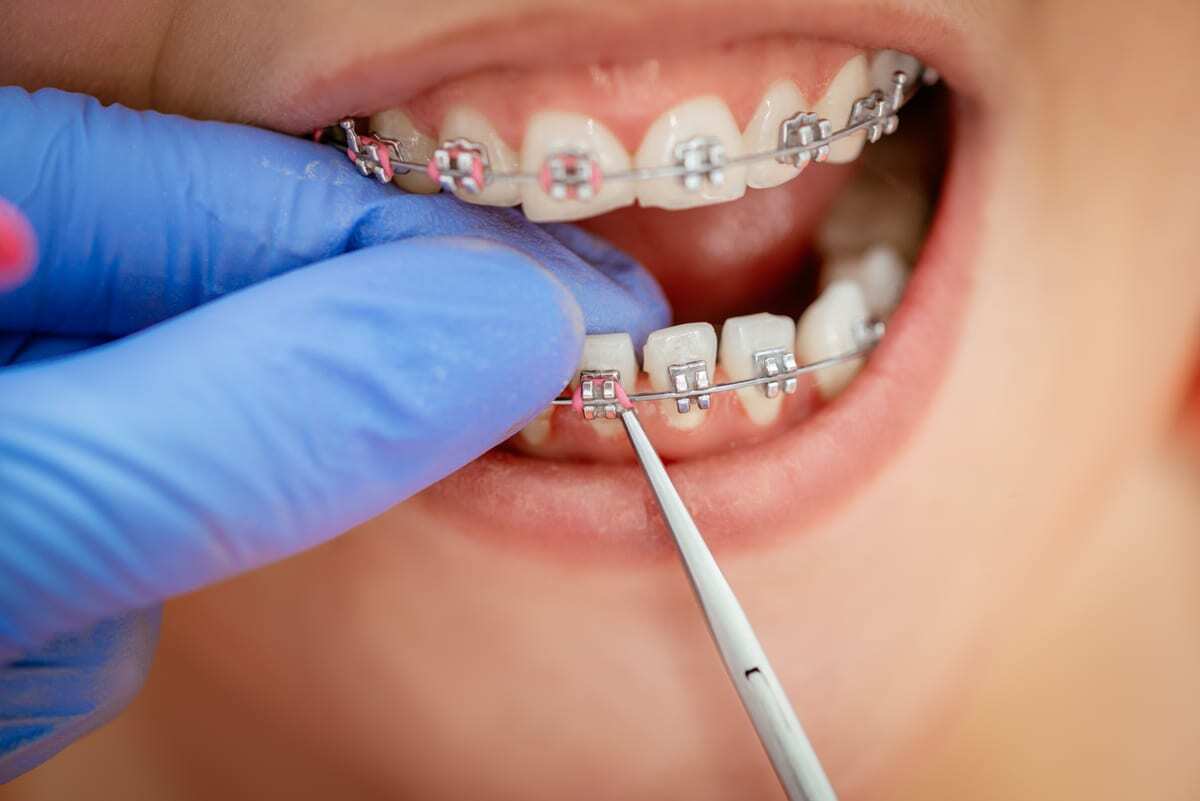
Specialty floss threaders or orthodontic flossers work well, though interdental brushes are often easier around brackets and wires. Ask your orthodontist which fits your specific appliance.
If You Have Limited Hand Mobility
Picks especially long-handled versions are usually easier to maneuver than traditional floss, making them a practical choice for seniors or patients with arthritis.
If You Have Wider Gaps Between Teeth
Interdental brushes or picks with a slightly wider tip tend to clean more effectively than standard floss in these areas.
If You’re New to Interdental Cleaning
Start with whichever tool feels less intimidating. Consistency builds the habit you can always refine your technique or switch tools later with guidance from your dental team.
Common Mistakes to Avoid With Either Tool
- Being Too Rough: Snapping floss or forcefully jabbing an interdental pick into the gums can cause irritation, bleeding, and tissue damage instead of providing a better clean.
- Skipping Teeth: Clean between every tooth, even if no food feels trapped. Plaque can build up in any space.
- Reusing the Same Section of Floss: Use a fresh section of floss for each tooth to avoid transferring bacteria and debris from one area to another.
- Rushing the Process: Take your time. Cleaning between your teeth properly should take about 2–3 minutes, not just 30 seconds.
Regardless of which tool you use, gentle and consistent technique matters more than brand or price point.
What About Water Flossers?
Water flossers have grown in popularity, and for good reason. They use a targeted stream of pulsating water to flush out debris and massage the gumline.
They’re especially helpful for patients with braces, implants, or bridges, where floss and picks can be tricky to maneuver. However, most dental professionals still recommend pairing water flossers with traditional floss or picks for the most thorough clean, rather than replacing them entirely.
So, Floss or Picks What Should You Choose?
Here’s the honest answer: the best tool is the one you’ll use consistently and correctly.
- If you have the dexterity and patience, floss usually offers the most thorough clean
- If you struggle with traditional floss, picks are a completely valid and effective alternative
- Many patients find success using a combination picks for quick daily use, floss a few times a week for a deeper clean
The Floss vs Picks decision isn’t about finding a single “correct” answer. It’s about building a sustainable habit that protects your gums and teeth for the long run.
Let Your Dentist Help You Decide
Everyone’s mouth is different. Tooth spacing, gum health, restorations, and manual dexterity all play a role in which tool will serve you best. A quick conversation with your dental team can save you months of trial and error.
At Cielo Dental & Orthodontics, located in El Paso, TX 79932, our team is happy to walk you through proper technique for floss, picks, or water flossers based on your specific smile. As a trusted dentist in El Paso, we’ve helped countless patients build cleaning routines that actually stick no pun intended.
Final Thoughts
Both floss and picks can effectively remove plaque and food particles from between your teeth when used correctly and consistently. The right choice depends less on which product is “better” and more on which one fits naturally into your daily routine.
Whichever tool you choose, the most important step is simply not skipping it. Small daily habits add up to healthier gums, fresher breath, and fewer cavities over time.
Schedule your appointment today at Cielo Dental & Orthodontics in El Paso, TX, and let our team help you find the interdental cleaning routine that works best for your smile.
Questions Patients Often Ask
Is it better to floss before or after brushing?
Flossing before brushing is generally recommended. It loosens debris and plaque between teeth so your toothpaste’s fluoride can reach those surfaces more effectively.
My gums bleed when I floss should I stop?
Not necessarily. Mild bleeding when you start or restart a flossing routine is common and often improves within a week or two. If bleeding persists beyond that, it’s worth having your gums checked.
Can I use a pick instead of floss every day?
Yes, as long as it effectively reaches your contact points. Picks are a great daily option, especially if they help you stay consistent. Your dentist can confirm whether they’re covering all the necessary areas for your specific tooth spacing.
How do I know if I’m using the right technique?
A gentle curve against each tooth, moving up and down rather than snapping the floss, is the safest approach. If you’re unsure, ask your hygienist to demonstrate at your next visit.
Are water flossers as effective as string floss?
Water flossers are excellent at flushing out debris and can be gentler on sensitive gums, but they aren’t always a full replacement for floss or picks. Many patients get the best results by combining methods.
What if I have braces does the floss vs picks question still apply?
Yes, though the tools look a little different. Orthodontic floss threaders, specialty flossers, and interdental brushes are usually recommended over standard picks when you have brackets and wires.