If you are planning to get braces or have recently started your orthodontic treatment, you might have come across something that made you pause for a moment, the idea that braces could cause jaw pain or TMJ issues. It is a common concern, and many patients in El Paso have similar questions during their treatment journey.
You may notice slight pressure, occasional soreness, or even wonder if certain jaw movements feel different than before. This can make you question whether everything is going as it should. The truth is, while braces are designed to improve your bite and alignment, understanding what is normal and what is not can help you feel more confident throughout the process.
This blog will help you understand the connection between braces and TMJ in a simple way, so you can know what to expect and when to speak with your dentist.
Understanding Braces: Know The Mechanics
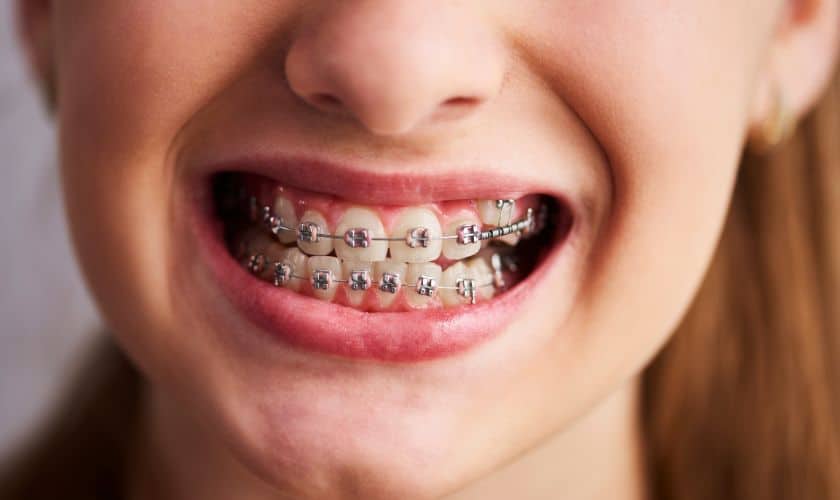
Braces are metal or ceramic structures that are designed in such a way that they align your teeth according to your demand. If you are using braces, then you can feel the pressure on your teeth. So, it provides a mild pressure that moves your teeth in the desired direction. This detailed process not only manipulates the change in the teeth’ structure but also affects the supportive structures in your jaw.
What Is TMJ? Understand The Disorder
The temporomandibular joint, or TMJ joint, sets up the connection between the jaw bone and the skull. This provides the main movement for speaking, chewing, and eating. It’s okay until the joint works normally, but once it is damaged or dysfunctional, then it causes a series of difficulties for you. These difficulties include intense jaw pain, popping noises, headaches, and difficulty chewing.
Braces & TMJ Disorder: Know The Connection
Braces are used to enhance dental alignment, but it has been noticed that, in some cases, these cause intense TMJ disorders while undergoing the alignment process. There can be various reasons for the cause, but the most prominent one is the shifting of bite alignment. This can cause intense pain in the TMJ joint and even cause headaches.
Associated Risks
Orthodontic advancements and innovations have reduced the chances of these complications to a minimum. Moreover, if you are undergoing braces treatment in El Paso, then it’s not likely that you will form a TMJ disorder. However, you should remain vigilant for a TMJ disorder while wearing braces and continuously monitor any signs and symptoms of the disease.
Dentist’s Guidance
If you are undergoing braces or orthodontic treatment, then you should address everything with your dental specialist. Their guidance is essential to maintain overall dental stability. They are the ones who can mitigate your pain and discomfort, so it’s important to address your concerns.
Prevention Techniques
TMJ disorders are something that can become unbearable. So, there are some essential steps that you can take to prevent its occurrence. You can undergo some simple practices, which include proper posture and eliminating jaw grinding. If you practice stress management or mental pressure reduction techniques, then it can assist you in alleviating the strain on your temporomandibular joint. Moreover, your dentist in El Paso will provide some facial exercises that you should perform in order to prevent TMJ disorders.
You can also include some healthy diet in your routine, like fruits and green veggies, which can provide essential nutrients to your TMJ joints and prevent disorders. If you think that this is a rare aspect and it will not affect you, then you are mistaken because it can affect you at any moment while undergoing braces treatment.
Braces are an amazing orthodontic appliance that effectively aligns your teeth in a proper alignment. In most of the cases, there is no chance of developing any side effects, but there is always a probability. So, it’s important to maintain preventive measures to avoid any discomfort or suffering. You should inform your dentist so that they can take all the necessary steps to treat the disorder effectively. Just remember that your dental health is your priority, and with the right treatment and guidance, you can reach your smile goals efficiently.
FAQs
Can braces actually cause TMJ problems?
In most cases, braces do not cause TMJ issues. They are designed to improve bite alignment, which can actually reduce jaw strain.
Is jaw pain normal after getting braces?
Mild soreness or pressure is normal, especially after adjustments, but it usually goes away within a few days.
How do I know if my pain is related to TMJ?
If you feel ongoing jaw pain, clicking sounds, or difficulty opening your mouth, it is better to consult your dentist.
What should I do if I feel jaw discomfort during treatment?
You should inform your orthodontist so they can check your bite and make necessary adjustments.
Can braces help fix TMJ issues?
In some cases, correcting bite alignment with braces can help reduce TMJ symptoms.
Are TMJ problems during braces treatment permanent?
No, most discomfort is temporary and manageable with proper care and guidance.
How can I reduce jaw strain while wearing braces?
Avoid clenching your jaw, manage stress, and follow your dentist’s advice on exercises or habits.
Should I stop my braces treatment if I feel discomfort?
No, but you should talk to your orthodontist so they can evaluate and guide you properly.