6351 S Desert Blvd Ste 210, El Paso, TX 79932


Losing a tooth can feel overwhelming whether it happened suddenly due to an injury or gradually from decay or gum disease. The good news is that modern dentistry offers a reliable, long-lasting solution. When it comes to replacing missing teeth, dental implants have become the gold standard, and for good reason.
Unlike dentures or bridges, implants are designed to look, feel, and function like natural teeth. In this guide, we’ll walk through why dental implants consistently outperform other options, what the process involves, and how to know if they’re right for you.
The Problem With Living Life With Missing Teeth
A missing tooth isn’t just a cosmetic concern. Left untreated, it can lead to a cascade of oral health issues over time.
- Bone loss: The jawbone needs stimulation from tooth roots to stay healthy. Without it, bone tissue gradually shrinks.
- Shifting teeth: Neighboring teeth can drift into the empty space, throwing off your bite.
- Difficulty chewing: Gaps make it harder to eat comfortably, which can affect nutrition.
- Lower self-confidence: Many patients feel self-conscious about gaps when speaking or smiling.
This is why finding the right approach to replacing missing teeth matters not just for appearance, but for long-term oral health.
What Makes Dental Implants Different
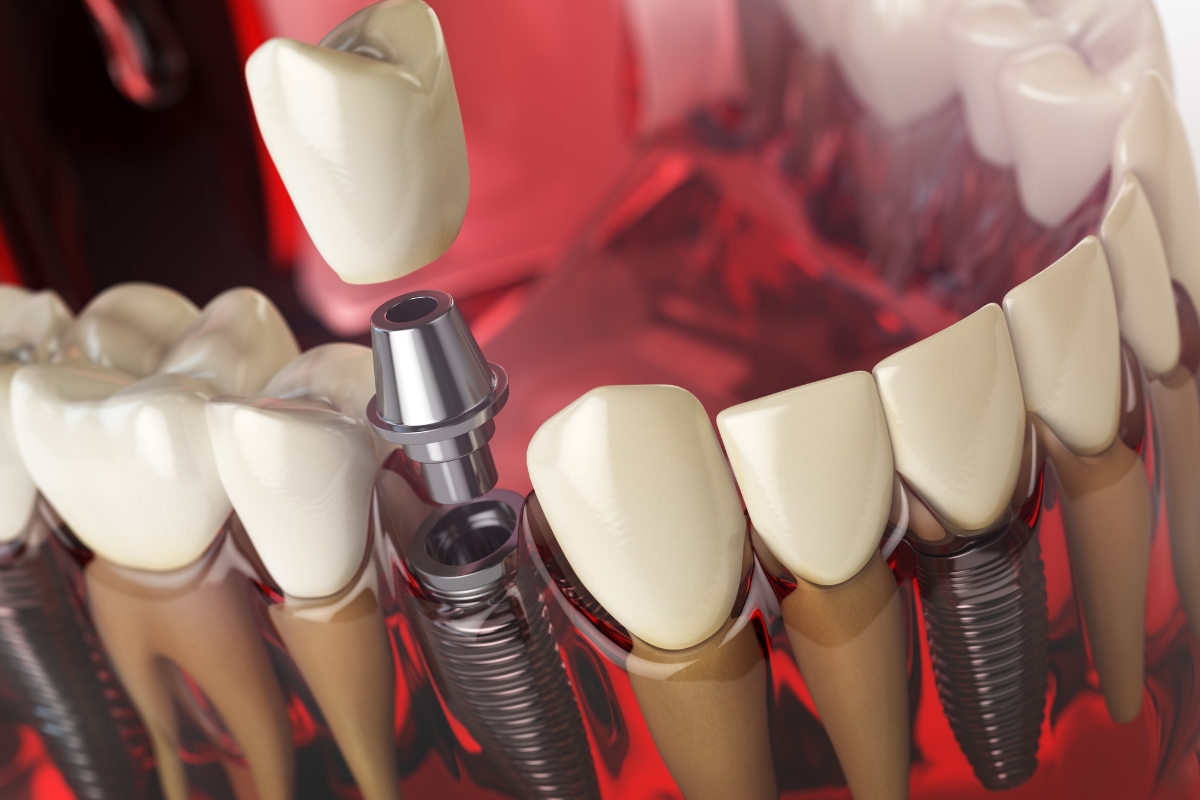
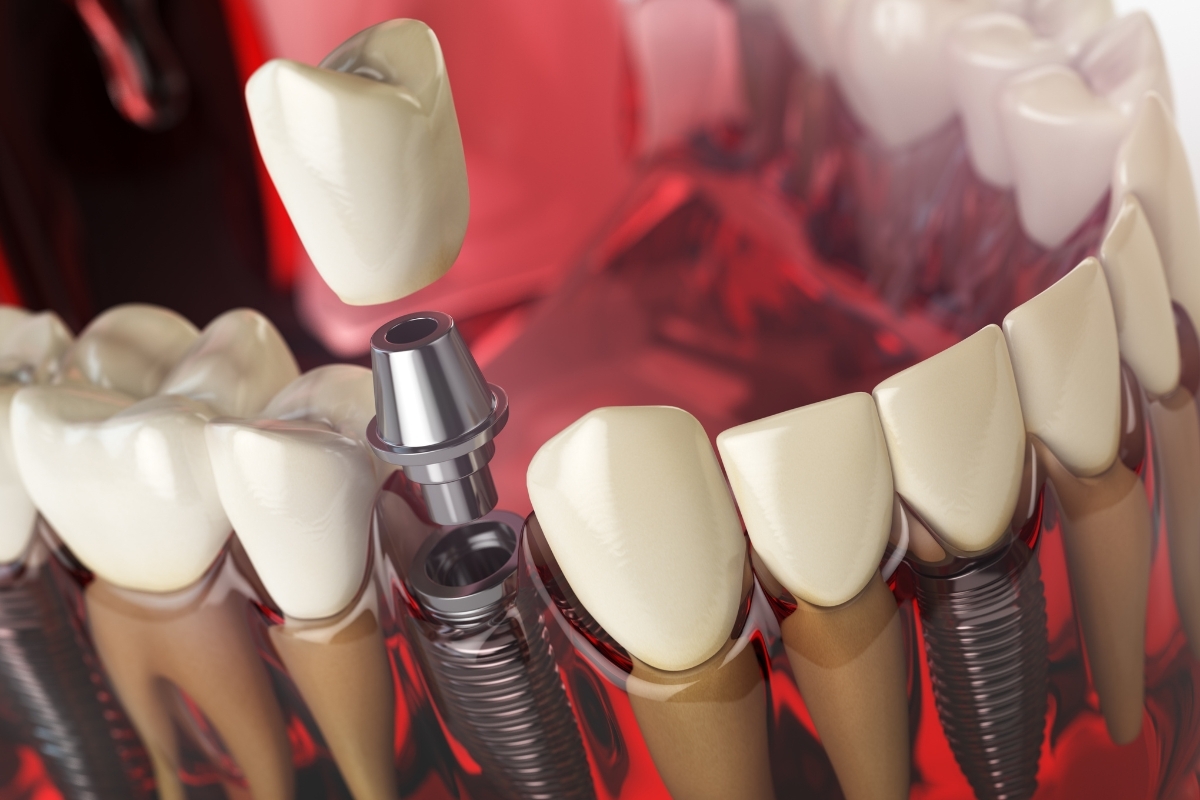
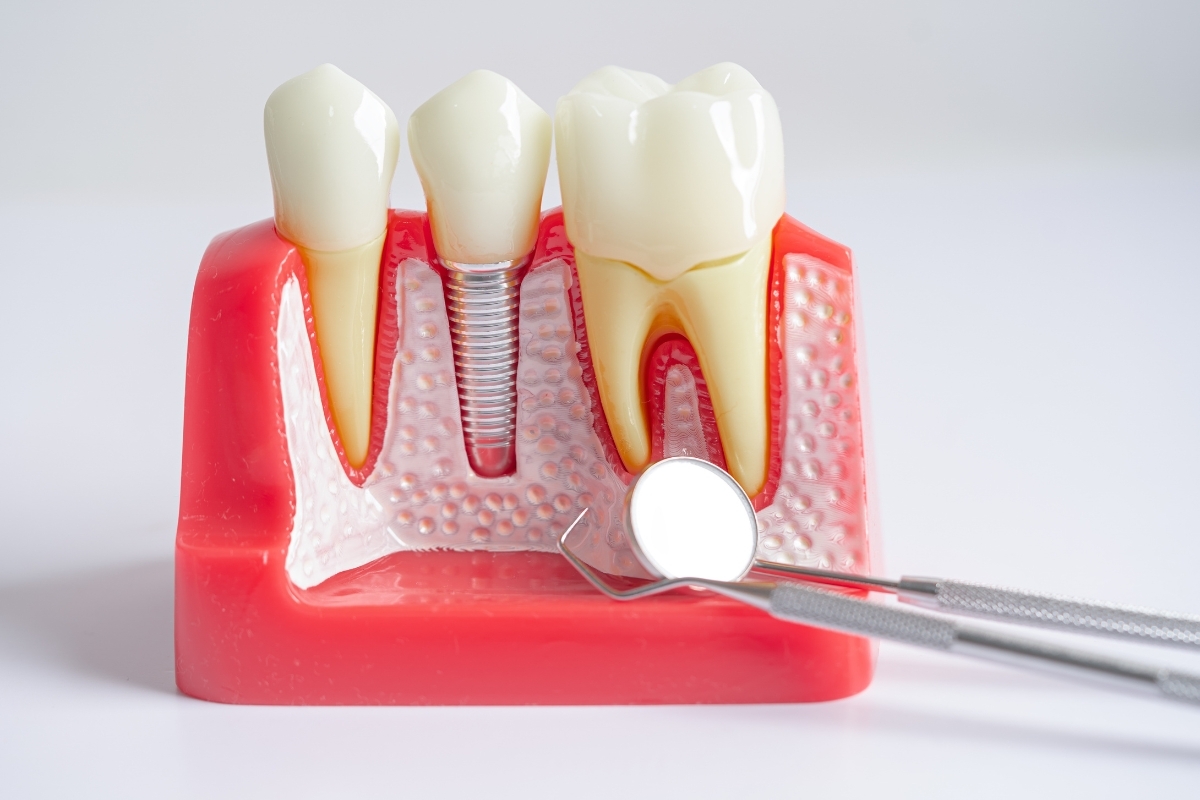
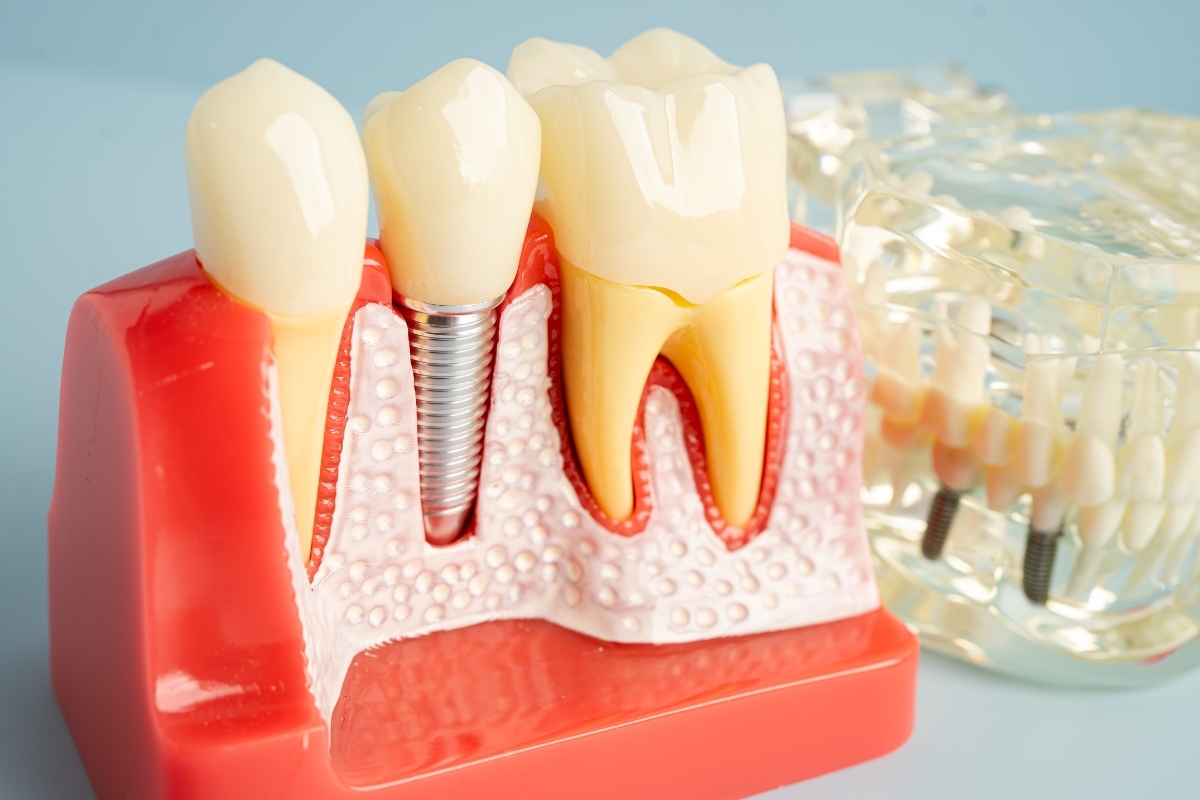
A dental implant consists of three parts: a titanium post that acts as an artificial root, an abutment, and a custom-made crown on top. The post is placed directly into the jawbone, where it fuses with the bone over time through a process called osseointegration.
This is the key difference between implants and other tooth-replacement methods implants replace the entire tooth structure, root included, rather than just sitting on top of the gums.
1. They Preserve Jawbone Health
Because the implant post stimulates the jawbone the same way a natural tooth root would, it helps prevent the bone deterioration that often follows tooth loss. Bridges and dentures cannot offer this benefit.
2. They Look and Feel Natural
The crown attached to an implant is custom-shaded and shaped to blend seamlessly with your surrounding teeth. Most patients say they eventually forget which tooth is the implant.
3. They’re Built to Last
With proper care, dental implants can last 20 years or more often a lifetime. Bridges typically need replacement every 10–15 years, and dentures require frequent adjustments and relining.
4. They Don’t Affect Neighboring Teeth
Traditional bridges require grinding down adjacent healthy teeth to anchor the replacement. Implants stand independently, so your natural teeth remain untouched.
5. They Restore Full Chewing Function
Because implants are anchored securely in the jawbone, they allow you to bite and chew with the same confidence and force as natural teeth something dentures often can’t match.
Dental Implants vs. Other Options for Replacing Missing Teeth
| Feature | Dental Implants | Bridges | Dentures |
|---|---|---|---|
| Preserves jawbone | Yes | No | No |
| Affects neighboring teeth | No | Yes | No |
| Average lifespan | 20+ years | 10–15 years | 5–10 years |
| Feels natural | Very close to natural | Close | Less natural |
| Maintenance | Brush/floss as normal | Brush/floss as normal | Daily removal & cleaning |
While bridges and dentures still serve a purpose in certain cases, implants offer the most complete, long-term solution for most patients considering tooth replacement.
Who Is a Good Candidate for Dental Implants?
Most healthy adults with sufficient jawbone density are good candidates. Factors your dentist will consider include:
- Overall gum health
- Amount of remaining jawbone
- Whether you have any uncontrolled chronic conditions (like diabetes)
- Smoking habits, since this can affect healing
Even if you’ve lost some bone density, options like bone grafting can often make implants possible. A consultation is the best way to find out what’s right for your smile.
What to Expect During the Implant Process
- Initial consultation and imaging to assess bone structure and plan placement.
- Implant placement, where the titanium post is positioned in the jawbone.
- Healing period (a few months) for osseointegration to occur.
- Abutment and crown placement, completing the restoration.
While the full process takes time, most patients describe it as far more comfortable than they expected, with manageable recovery.
Caring for Your Dental Implants
Good news implants don’t require any special products beyond your regular oral hygiene routine.
- Brush twice daily and floss as you would with natural teeth
- Attend regular dental checkups and cleanings
- Avoid chewing on very hard objects like ice
- Address teeth grinding, if applicable, with a night guard
Common Patient Questions
How painful is the dental implant procedure?
Most patients report only mild discomfort, similar to a tooth extraction. Local anesthesia is used during placement, and any post-procedure soreness typically resolves within a few days.
How long does the entire process take from start to finish?
Timelines vary, but the full process including healing time usually takes three to six months. Your dentist will give you a personalized timeline after your consultation.
Will my dental implant look like a real tooth?
Yes. The crown is custom-matched to your natural tooth color and shape, so it blends in seamlessly with the rest of your smile.
Are dental implants covered by insurance?
Coverage varies by provider and plan. Our team can help you understand your benefits and discuss financing options if needed.
Can older adults get dental implants?
Age alone isn’t a barrier. What matters most is overall health and adequate bone density, both of which your dentist will evaluate during your consultation.
What happens if I wait too long to replace a missing tooth?
The longer a gap is left untreated, the more bone loss and teeth shifting can occur, which may complicate future treatment. Addressing it sooner generally leads to simpler, more predictable results.
Final Thoughts: Investing in a Long-Term Solution
When weighing your options for replacing missing teeth, dental implants stand out for their durability, natural appearance, and ability to protect your long-term oral health. While the process requires patience, the result is a smile that functions and feels like your own.
If you’re considering tooth replacement and want a solution built to last, our team at Cielo Dental & Orthodontics in El Paso, TX 79932 is here to help you explore whether dental implants are right for you.
Schedule your appointment today and take the first step toward a healthier, more confident smile.