6351 S Desert Blvd Ste 210, El Paso, TX 79932


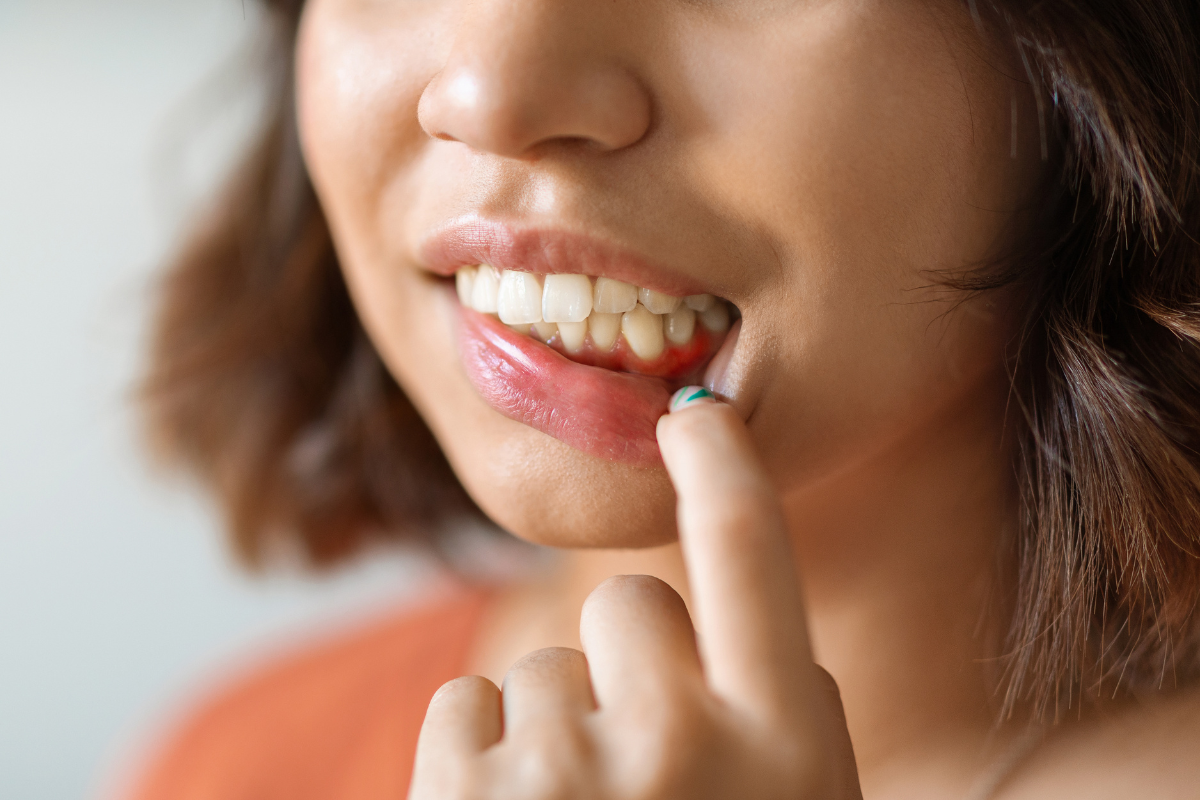
Bleeding gums are not normal. Neither is persistent bad breath, gum recession, or teeth that suddenly feel loose. These symptoms often signal an infection beneath the gumline that can gradually damage the tissues and bone supporting your teeth. The sooner gum disease is identified, the greater the chance of stopping the damage before it leads to tooth loss.
According to the Centers for Disease Control and Prevention (CDC), nearly half of adults aged 30 and older in the United States have some form of periodontal disease. Many do not realize they have it until noticeable symptoms appear. That makes early recognition one of the most important steps in protecting your oral health.
At Cielo Dental & Orthodontics, Dr. Dustin McBride and Dr. Nathan Galloway regularly help patients identify the earliest signs of gum disease before they become more serious problems. Through comprehensive periodontal evaluations and personalized treatment planning, our team helps patients restore gum health and prevent future complications. If any of the warning signs below sound familiar, schedule an evaluation to determine what is happening beneath the surface of your gums.
Why Should You Never Ignore Early Signs of Gum Disease?
Gum disease rarely improves without intervention. Early symptoms may seem minor, but they often indicate bacterial infection and inflammation that can spread deeper into the supporting structures of the teeth.
Many people wait until pain develops before seeking care. Unfortunately, periodontal disease often progresses quietly. By the time discomfort becomes noticeable, infection may already be affecting the bone that anchors your teeth in place.
What begins as mild gum inflammation can eventually lead to:
- Persistent bleeding
- Gum recession
- Deep periodontal pockets
- Chronic infection
- Bone loss
- Loose teeth
- Tooth loss
Recognizing the warning signs early gives you the best opportunity to preserve your natural smile.
The Most Common Warning Signs of Gum Disease
Gum disease often sends clear signals before serious damage occurs. Recognizing these symptoms early can help you seek treatment before the infection affects the tissues and bone supporting your teeth.
The following warning signs should never be ignored. If you notice one or more of these symptoms, scheduling a professional periodontal evaluation is a smart next step.
Your Gums Bleed When You Brush or Floss
Bleeding gums are one of the earliest and most common indicators of gum disease. Healthy gum tissue should not bleed during daily oral hygiene.
Many patients dismiss occasional bleeding as brushing too hard. While aggressive brushing can cause temporary irritation, recurring bleeding usually signals inflammation caused by bacterial plaque accumulating around the gumline.
Watch for bleeding that occurs:
- During brushing
- While flossing
- When eating crunchy foods
- Without any obvious cause
Even if the bleeding seems minor, it should not be ignored. Persistent inflammation often represents the first stage of gum disease, known as gingivitis.
Your Gums Look Swollen, Red, or Tender
Inflamed gums often indicate that your body’s immune system is responding to bacterial infection. Swelling is one of the most visible warning signs that something is wrong.
Healthy gums typically appear firm and light pink. Infected gums may become:
- Puffy
- Bright red
- Dark red
- Tender to touch
- Sensitive while chewing
Local environmental conditions can contribute to these symptoms. The desert climate around El Paso often increases dehydration, especially during warmer months. Reduced saliva production can allow bacteria to thrive more easily, increasing the likelihood of gum irritation and inflammation.
When swelling persists for more than a few days, a professional evaluation is recommended.
You Have Persistent Bad Breath That Never Seems to Go Away
Chronic bad breath is frequently linked to bacterial growth beneath the gumline. Mouthwash may temporarily mask the odor, but it does not eliminate the underlying infection.
As periodontal bacteria multiply, they release sulfur compounds that create unpleasant odors.
You may notice:
- Bad breath shortly after brushing
- A constant unpleasant taste
- Frequent use of mints without improvement
- Family members mentioning a persistent odor
When bad breath continues despite good oral hygiene habits, periodontal disease should be considered as a possible cause.
Your Gums Are Receding
Gum recession occurs when gum tissue pulls away from the teeth, exposing areas that should remain protected. It is often a sign of progressing periodontal disease.
You might notice:
- Teeth appearing longer than before
- Increased sensitivity to cold foods
- Visible root surfaces
- Small spaces near the gumline
Receding gums create new areas where bacteria can accumulate. Without treatment, recession can continue and increase the risk of tooth instability.
Your Dentist Identifies Deep Gum Pockets
Deep periodontal pockets are spaces that form between the gums and teeth when infection damages the supporting tissues. They are one of the clearest indicators of progressing gum disease.
Healthy gums fit snugly around the teeth. As infection develops, the gums begin separating from the tooth surface.
This allows bacteria to accumulate deeper below the gumline, where brushing and flossing cannot reach effectively.
Because periodontal pockets cannot be seen at home, regular examinations remain essential for early detection.
Your Teeth Feel Loose, or Your Bite Has Changed
Adult teeth should remain stable. Any unexpected movement may indicate that gum disease is damaging the bone supporting your teeth.
Signs include:
- Teeth shifting position
- New gaps developing
- A bite that suddenly feels different
- Teeth that feel loose while chewing
Patients seeking gum disease treatment in El Paso are often surprised to learn that loose teeth frequently result from periodontal disease rather than problems affecting the teeth themselves.
This symptom requires prompt evaluation because ongoing bone loss can become increasingly difficult to manage if left untreated.
You Notice Pus Around Your Gums
Pus is a clear sign of active infection and should never be ignored. It may indicate the presence of a periodontal abscess requiring immediate attention.
Additional symptoms often include:
- Swelling
- Localized pain
- Bad taste in the mouth
- Gum tenderness
Active infections can continue spreading through surrounding tissues if treatment is delayed.
Chewing Certain Foods Has Become Uncomfortable
Pain while chewing can indicate inflammation, gum recession, infection, or periodontal damage beneath the surface.
Many residents enjoy local favorites such as brisket tacos, enchiladas, roasted corn, and other flavorful regional dishes. When gum disease develops, chewing foods that once felt comfortable may suddenly become painful.
The discomfort often results from:
- Inflamed tissues
- Exposed roots
- Deep pockets
- Active infection
Changes in chewing comfort deserve professional attention, especially when combined with other symptoms discussed in this article.
Why Gum Disease Affects More Than Just Your Mouth
Gum disease is not simply a dental problem. Ongoing inflammation can influence overall health and may be associated with several systemic conditions.
Research has identified connections between periodontal disease and:
- Diabetes management challenges
- Cardiovascular concerns
- Increased inflammatory burden throughout the body
- Certain pregnancy-related complications
While treating gum disease cannot cure these conditions, maintaining healthy gums contributes to better overall wellness.
This is one reason healthcare professionals emphasize routine periodontal evaluations as part of preventive care.
What Happens During Periodontal Treatment?
Treatment focuses on removing infection, reducing inflammation, and preventing further damage to the tissues supporting your teeth.
The process often begins with a comprehensive periodontal evaluation.
Periodontal Examination:
Your dental team assesses gum health, measures pocket depths, and evaluates signs of inflammation or bone loss.
Scaling and Root Planing:
For many patients, gum disease treatment in El Paso includes scaling and root planing. This deep-cleaning procedure removes plaque and tartar deposits from beneath the gumline while smoothing root surfaces to encourage healing.
Healing and Monitoring:
Following treatment, your gums are monitored to ensure inflammation is decreasing and pocket depths are improving.
Periodontal Maintenance:
Ongoing maintenance appointments help control bacterial buildup and reduce the likelihood of disease recurrence.
These preventive visits play a critical role in long-term periodontal health.
When Should You Seek Immediate Care?
Certain symptoms should prompt a dental appointment as soon as possible. Early intervention often prevents more extensive treatment later.
Contact a dental professional if you experience:
- Persistent bleeding
- Significant swelling
- Gum recession
- Loose teeth
- Pus around the gums
- Pain while chewing
- Chronic bad breath
Many individuals seeking gum disease treatment in El Paso wish they had addressed their symptoms sooner. Acting early can help preserve healthy gum tissue and maintain the stability of your natural teeth.
Protect Your Gums Before Small Problems Become Serious
Gum disease often develops quietly, but the warning signs are usually there if you know what to watch for. Bleeding gums, persistent bad breath, gum recession, swelling, loose teeth, and chewing discomfort all deserve professional attention.
At Cielo Dental & Orthodontics, our team provides comprehensive periodontal evaluations designed to identify infection early and create personalized treatment plans based on your unique needs. If you have noticed changes in your gums or oral health, schedule a diagnostic evaluation today to learn what is causing your symptoms and which treatment options can help protect your smile for years to come.
Frequently Asked Questions(FAQ’s)
What does early gum disease usually feel like?
Early gum disease often causes mild symptoms such as bleeding during brushing, gum tenderness, and occasional swelling. Many people notice these changes before experiencing any pain.
Can bleeding gums be reversed?
Yes. When identified early, gingivitis can often improve with professional care and consistent oral hygiene habits. Prompt treatment helps prevent progression into more advanced periodontal disease.
How do dentists determine whether gum disease is serious?
Dentists evaluate gum inflammation, pocket depth measurements, bone support, and overall tissue health. These findings help determine the stage of disease and the most appropriate treatment approach.
Is gum recession always caused by gum disease?
Not always. Aggressive brushing and other factors can contribute to recession. However, periodontal disease remains one of the most common causes and should be ruled out.
Can gum disease cause tooth loss?
Yes. Advanced periodontal disease damages the tissues and bone supporting the teeth. Without treatment, the affected teeth may eventually become loose and require removal.
How often should periodontal maintenance appointments be scheduled?
The ideal schedule varies by patient. Many individuals benefit from more frequent maintenance visits after treatment to help manage bacterial buildup and maintain healthy gums.
Is gum disease painful in its early stages?
Not usually. Many patients experience little or no discomfort initially, which is why regular examinations are important for identifying the disease before significant damage occurs.