6351 S Desert Blvd Ste 210, El Paso, TX 79932



If you’ve recently gotten dental implants or you’re considering them and you’ve noticed a strange metallic taste, you’re probably wondering if something’s wrong. It’s a common question, and the good news is that it usually has a simple explanation.
Dental implants have become one of the most trusted solutions for replacing missing teeth, offering a natural look, feel, and function that lasts for decades. But like any dental procedure, patients sometimes experience unexpected side effects during recovery, and a metallic taste is one of the more frequently reported ones.
In this article, we’ll break down why this happens, whether it’s something to worry about, and what you can do about it. If you’re searching for a trusted Dentist El Paso residents rely on for implant care, this guide will also help you know what to expect before and after your procedure.
What Are Dental Implants, Exactly?
Before diving into the metallic taste question, it helps to understand what dental implants actually are.
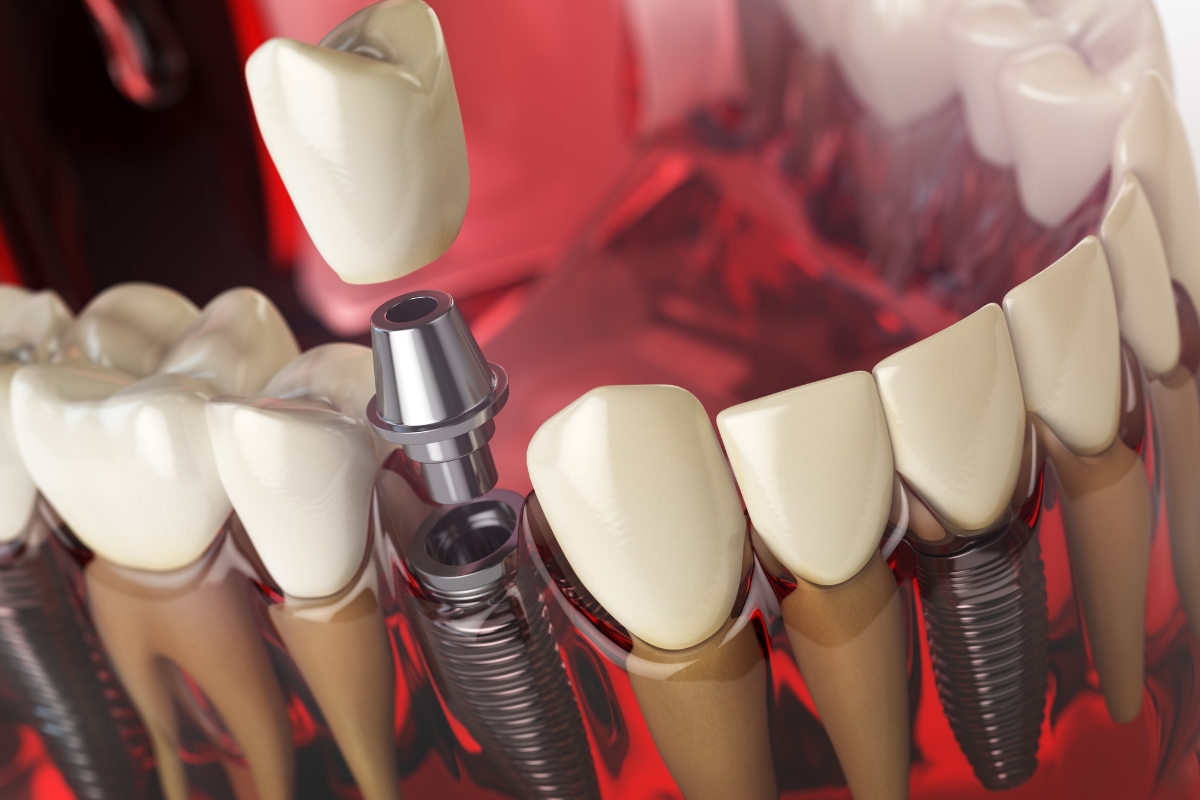
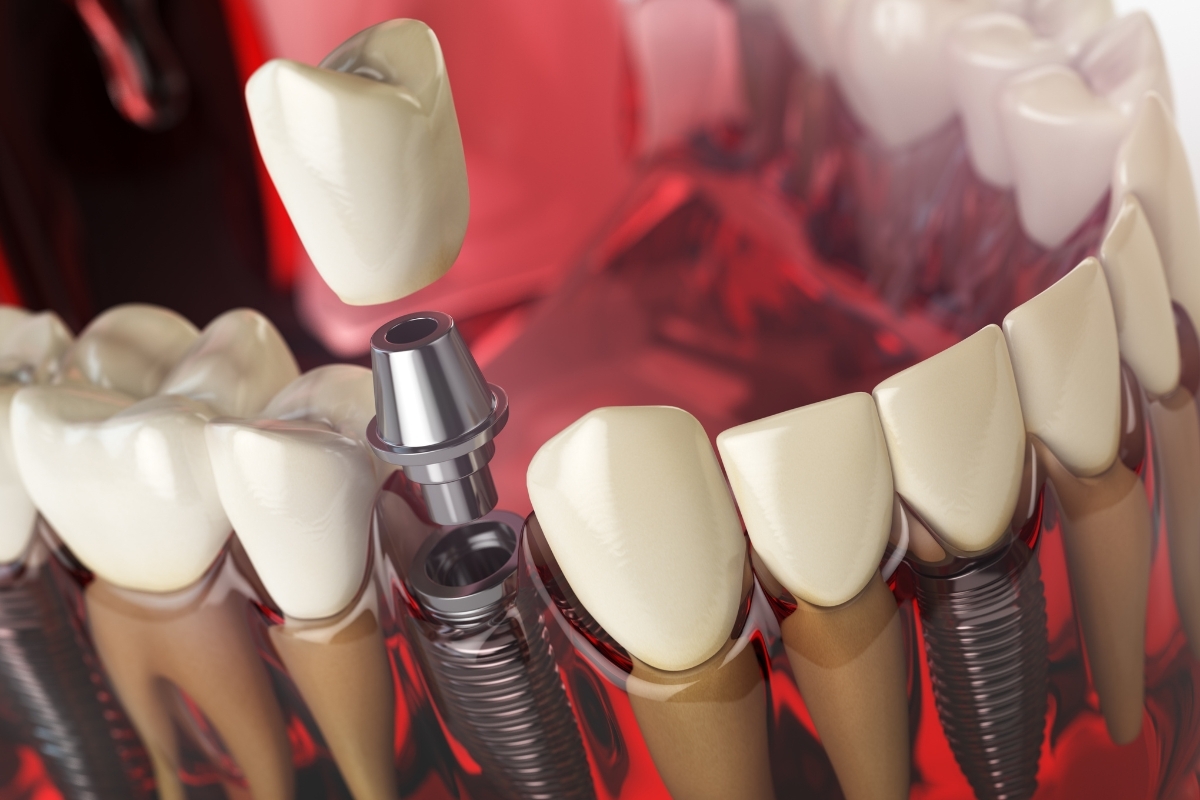
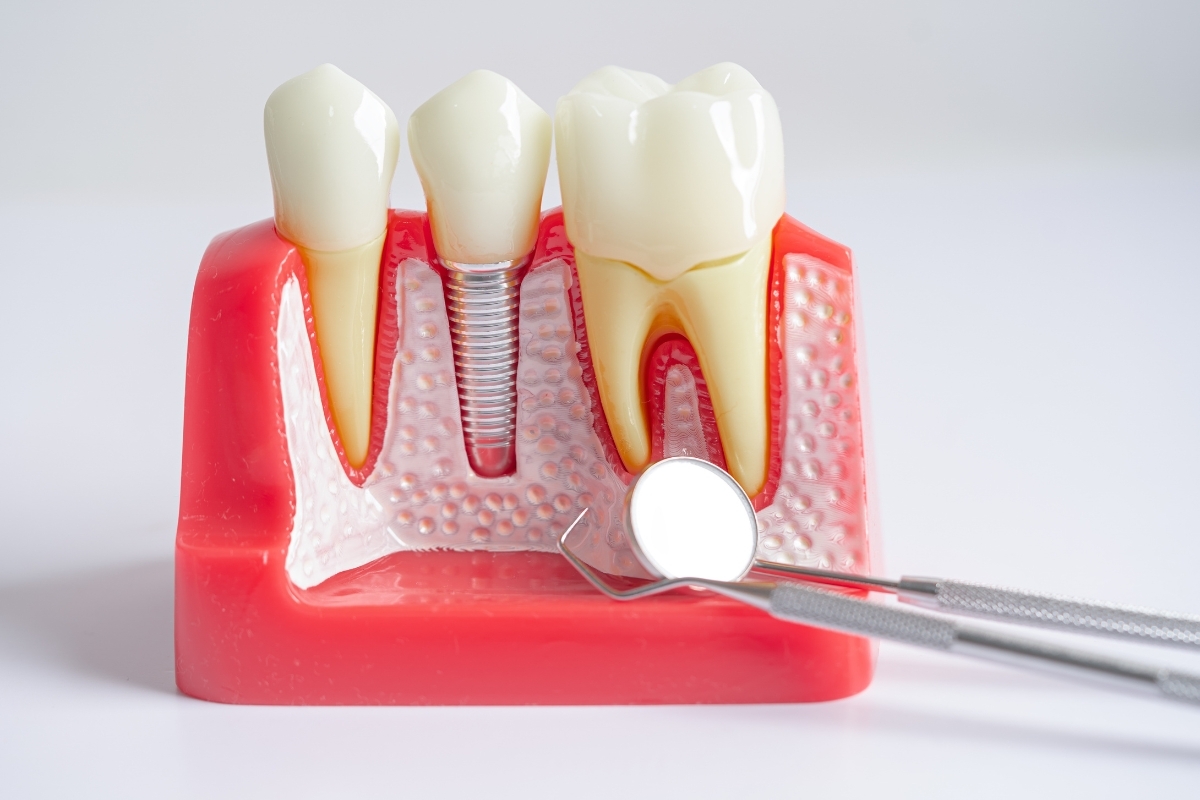
A dental implant is a small titanium post that’s surgically placed into the jawbone, acting as an artificial tooth root. Over time, the bone fuses with the titanium post through a process called osseointegration. Once healed, a custom-made crown is attached on top, giving you a replacement tooth that looks and functions like a natural one.
Because dental implants are designed to be biocompatible, they’re generally very safe and well-tolerated by the body. Still, the healing process can bring on some unusual sensations including that metallic taste many patients notice.
Is a Metallic Taste After Dental Implants Normal?
Yes, in most cases, a mild metallic taste after getting dental implants is completely normal and temporary. It’s your body’s natural response to surgery, healing, and adjusting to a new object in your mouth.
Here are the most common reasons this happens:
1. Post-Surgical Bleeding
Minor bleeding is expected after implant placement. Blood has a naturally metallic, iron-like taste, and small amounts can linger in your mouth for a day or two after surgery.
2. Inflammation and Healing Response
Your gum tissue around the implant site is healing, and inflammation is a normal part of that process. This can sometimes alter your sense of taste temporarily.
3. Medications
Antibiotics, pain relievers, or antiseptic mouth rinses prescribed after implant surgery can leave a metallic or bitter aftertaste. This is a known side effect of many common medications and usually fades once you stop taking them.
4. Dry Mouth
Some pain medications reduce saliva production, and a dry mouth can intensify unusual tastes, including metallic ones.
5. Sensitivity to Titanium (Rare)
While extremely uncommon, a small number of patients report mild sensitivity to titanium components. If you have a known metal allergy, it’s important to discuss this with your dentist beforehand.
How Long Does the Metallic Taste Usually Last?
For most patients, a metallic taste after dental implants resolves within a few days to about a week. As swelling goes down and the surgical site heals, taste sensation typically returns to normal.
If the taste persists beyond two weeks, or worsens instead of improving, it’s worth reaching out to your dental provider to rule out infection or other complications.
When Should You Be Concerned?
While a temporary metallic taste is usually harmless, certain symptoms alongside it may signal a problem. Contact your dentist if you notice:
- Persistent or worsening pain around the implant site
- Swelling that doesn’t improve after a few days
- Foul taste or odor combined with pus or discharge
- Fever or signs of infection
- Looseness or movement of the implant
These symptoms don’t necessarily mean something is seriously wrong, but they do warrant a professional evaluation to ensure your healing is on track.
Tips to Manage a Metallic Taste After Dental Implants
While you wait for the sensation to fade naturally, there are several simple steps that can help reduce discomfort and speed up recovery.
Stay Hydrated
Drinking plenty of water helps combat dry mouth and can dilute the metallic taste, making it less noticeable throughout the day.
Practice Gentle Oral Hygiene
Follow your dentist’s instructions for cleaning around the implant site. Avoid vigorous rinsing or brushing directly on the area until it’s fully healed.
Use a Saltwater Rinse
A warm saltwater rinse (as recommended by your dentist) can help keep the area clean and may ease irritation without disrupting healing.
Chew Sugar-Free Gum or Mints
These can stimulate saliva production, which naturally helps neutralize unusual tastes in the mouth.
Avoid Strong-Flavored or Acidic Foods
Spicy, acidic, or heavily seasoned foods can sometimes intensify a metallic taste. Sticking to mild, soft foods during the first few days of recovery is generally more comfortable anyway.
Give It Time
In most cases, patience is the best remedy. As inflammation subsides and your mouth adjusts, the metallic taste typically disappears on its own.
Metallic Taste vs. Other Post-Implant Sensations
It’s easy to lump every unusual sensation after surgery into one category, but understanding the difference can ease your mind and help you know what’s typical.
Metallic Taste
As covered above, this is usually linked to blood, inflammation, or medication. It tends to be mild and fades gradually as healing progresses.
Numbness or Tingling
Some patients experience temporary numbness near the implant site, especially in the lower jaw where nerves are closer to the surgical area. This typically improves within days but should be monitored if it persists.
Altered Taste for Other Foods
Beyond a metallic sensation, some patients notice that certain foods taste slightly different for a short period. This is usually tied to swelling around the taste buds or salivary glands and resolves as inflammation goes down.
Sensitivity to Hot or Cold
Mild temperature sensitivity near the implant area is common in the first couple of weeks and generally isn’t a cause for concern unless it’s severe or long-lasting.
Recognizing these differences can help you determine whether what you’re experiencing is a routine part of recovery or something that needs a follow-up visit.
The Role of Oral Hygiene in Reducing Unusual Tastes
Good oral hygiene doesn’t just protect your new implant it also plays a direct role in minimizing lingering tastes and odors during recovery.
- Brush gently around the implant area, avoiding direct pressure on the surgical site for the first few days.
- Rinse as directed, using antimicrobial or saltwater rinses to reduce bacteria without irritating healing tissue.
- Avoid tobacco products, since smoking can worsen taste disturbances and slow healing significantly.
- Keep follow-up appointments so your dentist can monitor healing and catch any issues early.
Consistent care during the first few weeks after placement gives your mouth the best chance to heal quickly and comfortably.
What to Expect Immediately After Getting Dental Implants
Knowing what’s coming can make the recovery period feel far less intimidating. Most patients go through a fairly predictable healing timeline.
The First 24–48 Hours
Mild bleeding, swelling, and tenderness are common. A metallic taste is most noticeable during this window due to residual blood at the surgical site.
Days 3–7
Swelling typically begins to subside, and any lingering metallic taste usually fades as the gum tissue starts to settle.
Weeks 2–4
Most surface healing is complete, though the deeper process of osseointegration where the implant fuses with the jawbone continues in the background for several months.
Long-Term Healing
Full integration can take anywhere from three to six months, depending on the patient and the location of the implant. By this stage, unusual tastes or sensations should be long gone.
Every patient heals a little differently, which is why personalized guidance from your dental provider matters so much throughout the process.
Why Choose an Experienced Implant Dentist?
The vast majority of implant-related side effects, including a metallic taste, are minor and short-lived when the procedure is performed by a skilled, experienced provider. Choosing the right dental team can make a meaningful difference in your comfort and recovery.
At Cielo Dental & Orthodontics, our team takes a patient-first approach to every implant procedure. From your initial consultation through your recovery, we walk you through what to expect so you feel informed and confident every step of the way.
If you’re exploring options with a Dentist El Paso patients trust for implant dentistry, our team is here to answer your questions and guide you through a smooth, comfortable treatment experience.
Final Thoughts
A metallic taste after dental implants is usually nothing more than a normal, short-term part of the healing process. It’s typically caused by minor bleeding, inflammation, or medication side effects, and it tends to resolve within a few days to a week.
That said, listening to your body matters. If the taste lingers, worsens, or comes with other symptoms like swelling or pain, don’t hesitate to reach out to your dental provider for peace of mind.
Dental implants remain one of the most reliable, long-lasting solutions for replacing missing teeth, and minor recovery symptoms shouldn’t overshadow the long-term benefits they offer, including improved chewing function, a natural appearance, and better overall oral health.
Schedule your appointment today with Cielo Dental & Orthodontics in El Paso, TX 79932, and let our experienced team guide you through a comfortable, confident implant journey.
Questions Patients Often Ask
Why does my mouth taste like metal a few days after getting an implant?
This is typically due to minor bleeding and inflammation at the surgical site. It’s a normal part of healing and usually fades within a few days.
Can antibiotics cause a metallic taste after implant surgery?
Yes, many antibiotics and pain medications commonly prescribed after dental procedures can cause a temporary metallic or bitter taste as a side effect.
Will the metallic taste go away on its own, or do I need treatment?
In most cases, it resolves on its own within a week without any special treatment. Staying hydrated and maintaining good oral hygiene can help speed things along.
Is it possible to be allergic to dental implant materials?
Titanium allergies are rare, but they can occur. If you have a known metal sensitivity, let your dentist know beforehand so they can discuss suitable options with you.
How can I tell if my symptoms are normal healing or a sign of infection?
Normal healing usually involves mild discomfort that gradually improves. Signs of infection include worsening pain, swelling, fever, or discharge if you notice these, contact your dentist promptly.
Does everyone experience a metallic taste after getting dental implants?
No, not every patient notices this. It varies from person to person depending on individual healing response, medications, and sensitivity levels.