6351 S Desert Blvd Ste 210, El Paso, TX 79932

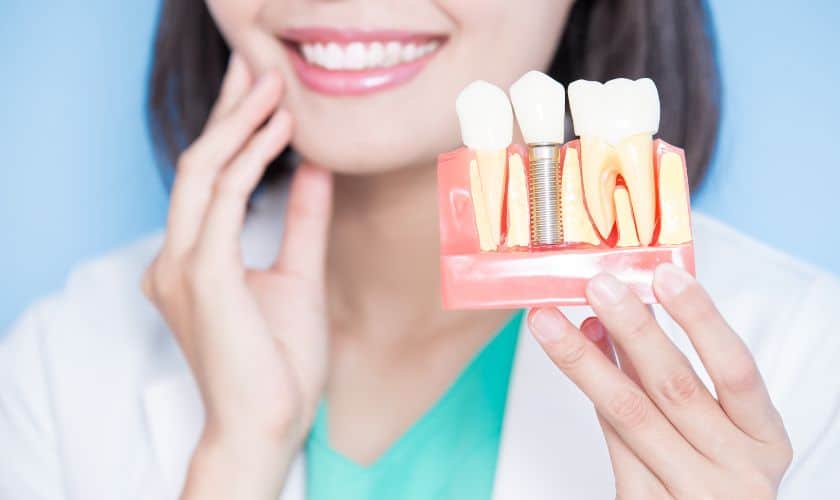
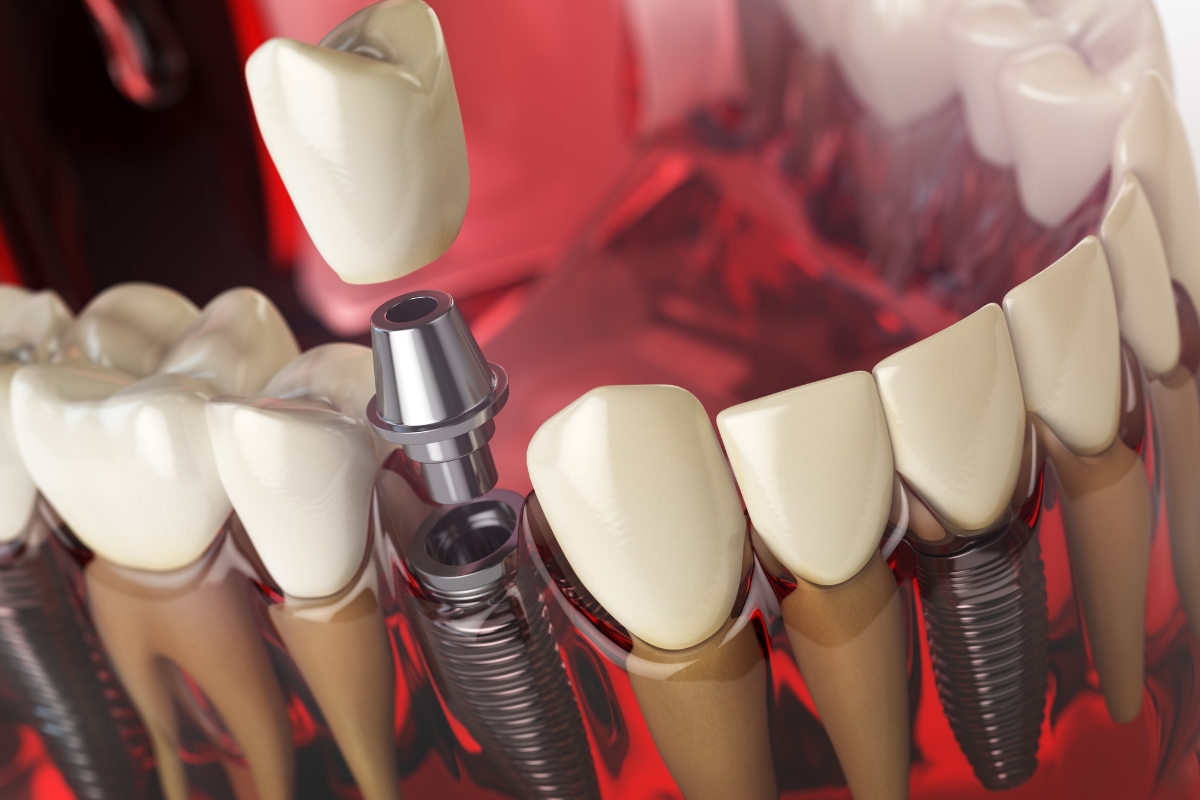
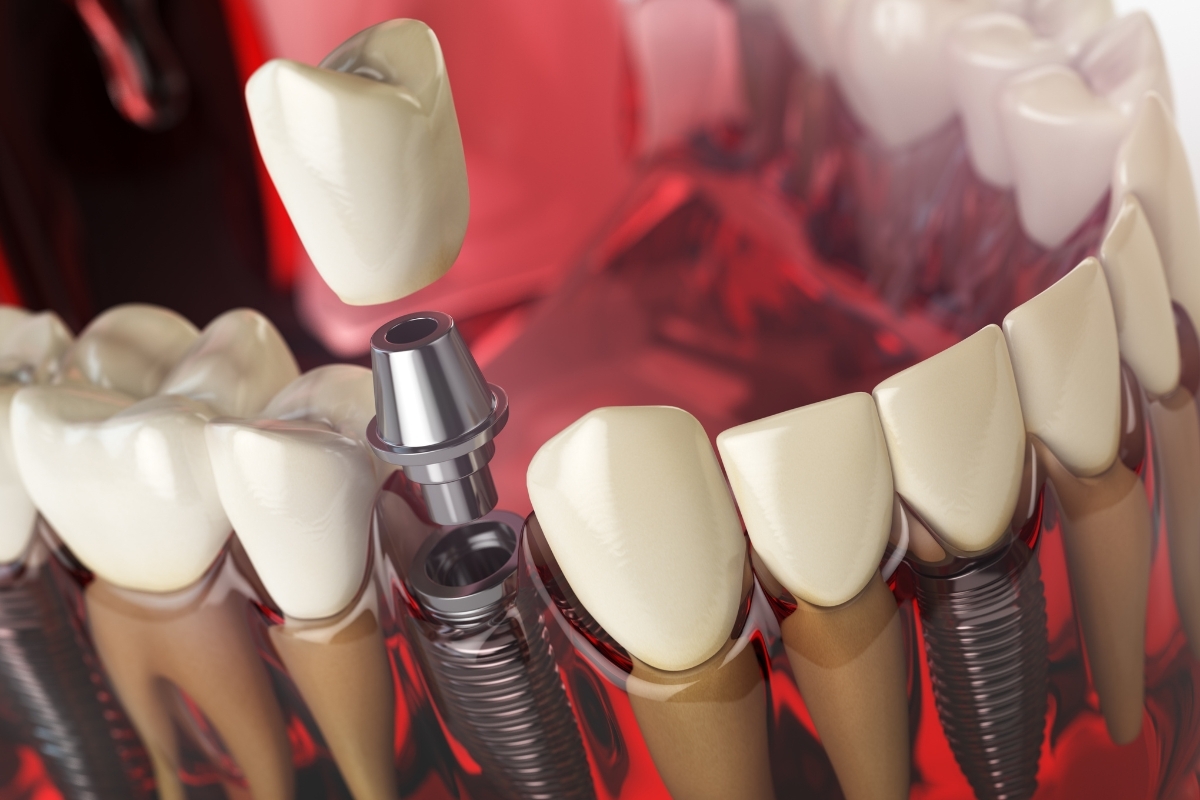
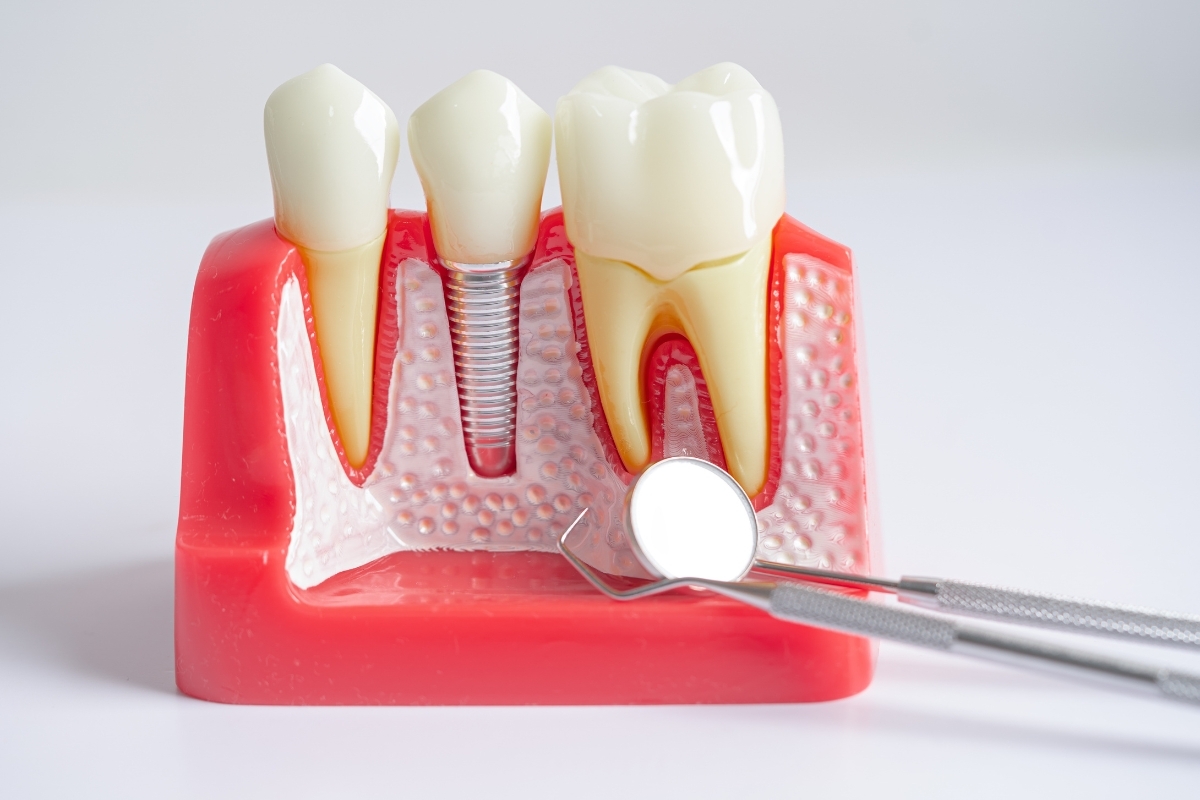
Dental implants have revolutionized the field of dentistry, providing a reliable and long-lasting solution for those with missing teeth. If you’ve recently undergone a dental implant procedure, congratulations on taking a significant step toward restoring your smile and oral health. However, the journey doesn’t end with the surgery. Proper care after dental implants are placed is crucial for ensuring a successful and comfortable recovery. In this comprehensive guide, we’ll walk you through the essential steps to take post-implant surgery.
1. Immediate Post-Surgery Care
Immediately after your dental implant surgery, it’s essential to follow your dentist’s instructions diligently. You may experience some swelling, bruising, and discomfort, which are normal post-operative symptoms. To manage these, apply ice packs to the affected area for the first 24 to 48 hours and take any prescribed pain medications as directed. Be sure to get plenty of rest and avoid strenuous activities that could disrupt the healing process.
2. Oral Hygiene Matters
Maintaining excellent oral hygiene is paramount for the success of your dental implants. While your implant site is healing, it’s crucial to keep the area clean to prevent infection. Follow your dentist’s instructions regarding oral care, which may include gentle brushing, using an antimicrobial mouthwash, and avoiding the implant site while it heals. Be diligent in your oral hygiene routine to promote optimal healing and reduce the risk of complications.
3. Dietary Considerations
During the initial days after dental implant placement, it’s advisable to stick to a soft and liquid diet. Avoid hot and spicy foods that may irritate the surgical site. Incorporate nutrient-rich, soft foods such as yogurt, mashed potatoes, and soups into your diet. As the healing progresses, gradually reintroduce solid foods, ensuring they are cut into small, manageable pieces to minimize stress on the implant area.
4. Tobacco and Alcohol Abstinence
Smoking and excessive alcohol consumption can hinder the healing process of dental implants. Nicotine constricts blood vessels, reducing blood flow to the implant site and increasing the risk of complications. Additionally, alcohol can interfere with the body’s natural healing mechanisms. To maximize the success of your dental implants in El Paso, it’s advisable to abstain from smoking and limit alcohol intake during the initial stages of recovery.
5. Regular Follow-Up Appointments
Scheduled follow-up appointments with your El Paso dentist are essential for monitoring the progress of your dental implants. Your dentist will assess the healing of the implant site, address any concerns or complications, and provide further guidance on post-operative care. Attend these appointments as scheduled to ensure your recovery is on track and to address any emerging issues promptly.
6. Be Mindful of Physical Activity
While it’s crucial to get adequate rest during the initial days after dental implant surgery, gradually reintroduce light physical activity into your routine as your dentist advises. Strenuous activities and exercises that involve bending or heavy lifting should be avoided during the early stages of recovery to prevent complications. Consult with your dentist about when it’s safe to resume your regular physical activities.
7. Protecting Your Investment
To safeguard your investment in dental implants, it’s essential to avoid habits that could potentially damage them. Refrain from biting hard objects, such as ice or pen caps, and avoid using your teeth to open packages. If you grind your teeth at night, discuss the possibility of a night guard with your dentist to protect both your natural teeth and dental implants.
8. Stay Hydrated
Proper hydration is crucial for overall health and can positively impact the healing process after dental implant surgery. Drink an adequate amount of water throughout the day to stay hydrated. This promotes optimal circulation, aids in nutrient transport to the healing site, and helps flush out toxins, contributing to a smoother recovery.
9. Monitoring For Warning Signs
While discomfort and mild swelling are normal after dental implant surgery, it’s essential to be vigilant for any unusual symptoms that could indicate complications. If you experience persistent pain, excessive bleeding, or signs of infection such as swelling, redness, or a foul taste in your mouth, contact your nearby dentist promptly. Early intervention is key to addressing potential issues and ensuring the long-term success of your dental implants.
Caring for your dental implants in El Paso is a crucial aspect of ensuring a successful and lasting outcome. By following these post-operative care guidelines, you can contribute to the optimal healing of the implant site and enjoy the benefits of a restored smile and improved oral health.
Remember, each patient’s recovery may vary, so it’s essential to maintain open communication with your dentist and address any concerns promptly. With proper care, your dental implants can provide a durable and natural-looking solution for missing teeth, enhancing both your oral function and confidence.