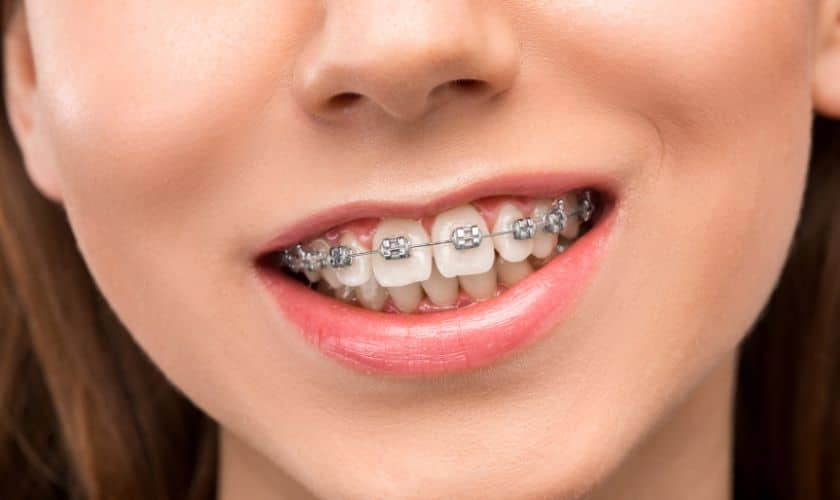
When we think of braces, the first thing that comes to mind is a mouth full of metal. However, there is more to braces than just their appearance. Braces are an essential tool in orthodontics used to align crooked or misaligned teeth and improve overall oral health. But have you ever wondered how they work? In this blog post, we will dive into the science behind braces and explore how they straighten your teeth. So sit tight and get ready to learn something new!
What are braces?
Braces are dental appliances designed to help straighten crooked teeth and align your bite. They consist of brackets that are bonded to the teeth, and wires or other materials that connect the brackets together. The goal is to apply gentle pressure over time, gradually moving your teeth into the desired position.
There are different types of braces available, depending on your needs and preferences. Traditional metal braces are made from stainless steel and remain a popular choice due to their durability and effectiveness. Ceramic braces are less noticeable than metal ones, while lingual braces attach to the back of your teeth for a more discreet option.
Before getting braces, you will need a consultation with an orthodontist who can assess your oral health and determine what type of treatment plan is best for you. This may involve X-rays, digital scans, or physical impressions of your mouth.
While wearing braces may require some adjustments in terms of diet and oral hygiene habits, they can provide numerous benefits such as improved appearance, better oral function, reduced risk of tooth decay or gum disease, and increased confidence overall.
Types of Braces
When it comes to braces, there are many different types available. The type of braces that will work best for you will depend on your individual needs and preferences.
Traditional metal braces are the most common type of braces. These consist of brackets that are attached to each tooth and connected by wires. While they may not be the most aesthetically pleasing option, they can be very effective at treating a wide range of orthodontic problems.
Ceramic braces are similar to traditional metal braces but use clear or tooth-colored brackets instead, making them less noticeable. However, these can be more prone to breaking than their metal counterparts.
Lingual braces take advantage of the fact that teeth have two sides – one facing inward towards your tongue and one facing outward towards your lips – by attaching the brackets to the lingual (tongue) side. This makes them virtually invisible from the outside, but it can make cleaning more difficult.
Clear aligners like Invisalign are a popular alternative to traditional braces because they’re nearly invisible when worn. They work by gradually shifting teeth into place using a series of custom-made clear plastic trays.
Ultimately, the right type of brace for you depends on various factors such as cost, effectiveness, and cosmetic concerns, so talk with your orthodontist about which options might best suit you!
How do braces align teeth?
Braces are orthodontic devices that help to align misaligned teeth. They work by exerting gentle pressure on the teeth, which gradually moves them into their correct position over time.
The first step in getting braces is an initial consultation with an orthodontist, who will evaluate your dental health and determine if braces are necessary. If so, they will take X-rays and impressions of your teeth to create a treatment plan tailored to your specific needs.
Once the braces have been attached to the teeth using a special adhesive, small wires are threaded through each bracket. These wires apply gentle pressure on the brackets and guide the movement of the teeth into their desired position.
As you wear your braces over time, regular adjustments will be made by your orthodontist to ensure that they continue working effectively. This may include tightening or loosening certain parts of the appliance as needed.
It’s important to note that while wearing braces can sometimes be uncomfortable or inconvenient, it is a temporary inconvenience with long-term benefits. By following proper oral hygiene practices during treatment and taking care of your appliances properly, you’ll be able to enjoy a beautiful smile for years to come!
Benefits of braces
The benefits of braces go beyond just aesthetics. The most significant advantage of wearing braces is that they help align your teeth properly, which helps improve your oral health. Properly aligned teeth are easier to clean and maintain, which reduces the risk of tooth decay and gum disease.
In addition, braces can also help with jaw alignment issues such as overbite or underbite. These problems can lead to difficulty chewing food or speaking correctly, but with the use of braces, these issues can be corrected.
Another benefit of braces is that they can boost self-confidence by improving the appearance of your smile. When you feel good about your smile, it shows in everything you do, from social interactions to work presentations. Confidence plays a vital role in our daily lives; therefore, investing in orthodontic treatment like braces can have a significant impact on one’s life.
Many people who undergo orthodontic treatments like wearing braces experience an improvement in speech impediments caused by misaligned teeth or jaw structure.
The benefits of wearing braces outweigh any discomfort experienced during treatment periods. It enhances dental hygiene while also boosting confidence levels for individuals who may have felt insecure about their smiles previously.
Final Thoughts
In final thoughts, it is clear that braces are an effective way to align teeth and improve a person’s overall oral health. The science behind braces may seem complicated, but with the right orthodontic treatment plan, anyone can achieve a healthy and beautiful smile.
It’s important to remember that braces require commitment and patience. Treatment time varies from person to person, but the results are well worth it in the end. Don’t be discouraged by temporary discomfort or minor adjustments along the way.
If you’re considering getting braces or think they may be necessary for yourself or your child, don’t hesitate to schedule an appointment with an orthodontist. They will provide personalized advice on which type of braces are best suited for your needs.
With proper care and maintenance during and after treatment, your new straightened smile will last a lifetime!