6351 S Desert Blvd Ste 210, El Paso, TX 79932


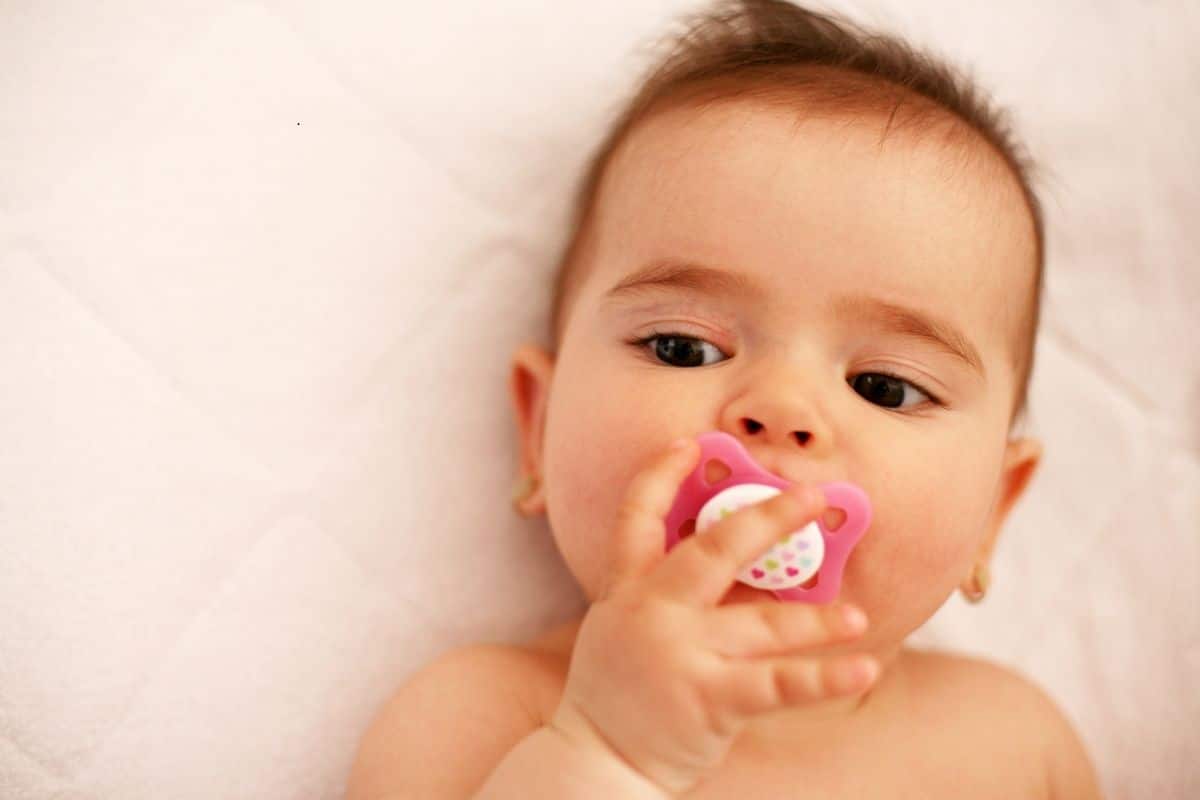
Pacifiers can be a lifesaver for parents, as they offer a quick way to soothe a fussy baby. However, while they provide comfort in the early years, pacifiers can cause concerns when it comes to long-term oral health. As your child grows, you may wonder when to stop giving a pacifier. To bring an end to your confusion, here is what a kid-friendly dentist El Paso suggests.
What Happens If a Child Uses a Pacifier for Too Long?
Pacifiers are typically harmless during the first few years of life. However, extended use beyond this period can lead to dental issues such as the misalignment of teeth or jaw, commonly referred to as pacifier teeth. If a child continues using a pacifier for an extended period, it can push the front teeth forward, creating bite problems like an open bite or overbite. These alignment issues may eventually require dental treatment, such as aligners, to correct.
It’s essential to understand that while pacifiers provide short-term soothing benefits, prolonged use can result in long-term dental problems. Phasing out the pacifier at the right time is crucial for your child’s oral health.
When Should You Start Limiting Pacifier Use?
According to the American Academy of Pediatric Dentistry, most dentists recommend limiting pacifier use by age three. By this age, your child’s oral and facial structures are still developing and remain flexible, which allows them to recover from any changes caused by the pacifier.
However, if pacifier use continues beyond this age, the risk of developing dental complications increases. The earlier you start limiting the pacifier, the easier it will be to prevent issues later on. It’s essential to keep a close eye on your child’s dental development and consult a pediatric dentist for personalized advice that suits your child’s needs.
Effects of Pacifier Use Beyond Age 3
If pacifier use continues past the age of three, the risk of dental complications rises significantly. During this time, your child’s baby teeth are already setting the foundation for their permanent teeth, and any changes can influence how these teeth grow. Prolonged pacifier use during this phase may also impact jaw alignment, which can lead to speech delays, breathing issues, or other developmental challenges.
It is critical to consult with your pediatric dentist to determine whether your child’s pacifier use is causing any noticeable dental changes. Early intervention can make a world of difference in preventing further complications.
How to Wean Your Child Off a Pacifier
Getting your child off a pacifier can be challenging but necessary for their dental well-being. Here are some helpful tips for making the transition smoother:
Limit Pacifier Use Gradually: Start by limiting pacifier use to only naps and bedtime. Slowly reduce it until the pacifier is no longer a part of their routine.
Offer Alternatives: Encourage your child to bond with a comfort item such as a blanket, stuffed animal, or soft toy as a replacement for their pacifier.
Positive Reinforcement: Praise your child when they go without the pacifier, and consider small rewards as encouragement for each step forward.
Cold Turkey: Some parents have success with the “cold turkey” approach, where the pacifier is taken away all at once. Though challenging at first, most children adapt more quickly than expected.
If you’re unsure how to begin the weaning process, your pediatric dentist can suggest a plan specifically suited to your child’s habits and needs. Working with a dental professional will ensure that the transition is smooth and effective.
Dental Checkups Are Key
Whether your child is still using a pacifier or has already given it up, regular dental checkups are crucial. Routine visits allow your pediatric dentist to monitor your child’s oral development and detect any potential issues early on. If you have any concerns regarding pacifier use and its effect on your child’s oral health, be sure to bring them up at your next dental appointment.
Early intervention can prevent the need for more invasive treatments down the road. A skilled dentist in El Paso can also provide you with tips on how to gently break the pacifier habit and offer suggestions on maintaining your child’s dental health moving forward.
Deciding when to stop using a pacifier is a critical step in your child’s oral health journey. By understanding the risks associated with prolonged use and making a thoughtful plan to wean your child off the pacifier, you can help avoid future dental complications.
At Cielo Dental & Orthodontics, we’re dedicated to guiding you through every stage of your child’s dental care. From pacifier weaning to consultations, we provide comprehensive dental services for patients of all ages. Our pediatric dentist is committed to helping your child grow up with a healthy, radiant smile. Contact us today to schedule an appointment and receive expert advice tailored to your child’s unique needs.