6351 S Desert Blvd Ste 210, El Paso, TX 79932


Gum disease doesn’t show up loud. It doesn’t hurt much at first; it doesn’t scream for attention, and honestly, most people miss the early signs entirely because they’re so easy to brush off. A little blood in the sink, a bit of bad breath- none of that feels like an emergency, right?
But catching gum disease early makes a massive difference. At this stage, it’s actually reversible. Let’s go through the early warning signs, so you know what to watch for before you need real gum disease treatment in El Paso.
7 Major Early Signs Of Gum Disease
Sign 1: Bleeding Gums During Brushing or Flossing
This is usually the very first sign, and it’s the one people dismiss the most. A little blood while brushing gets blamed on “brushing too hard” more often than not. Sometimes that’s true. But consistent bleeding, especially if it happens most times you brush or floss, usually points to gum inflammation caused by plaque buildup along the gumline.
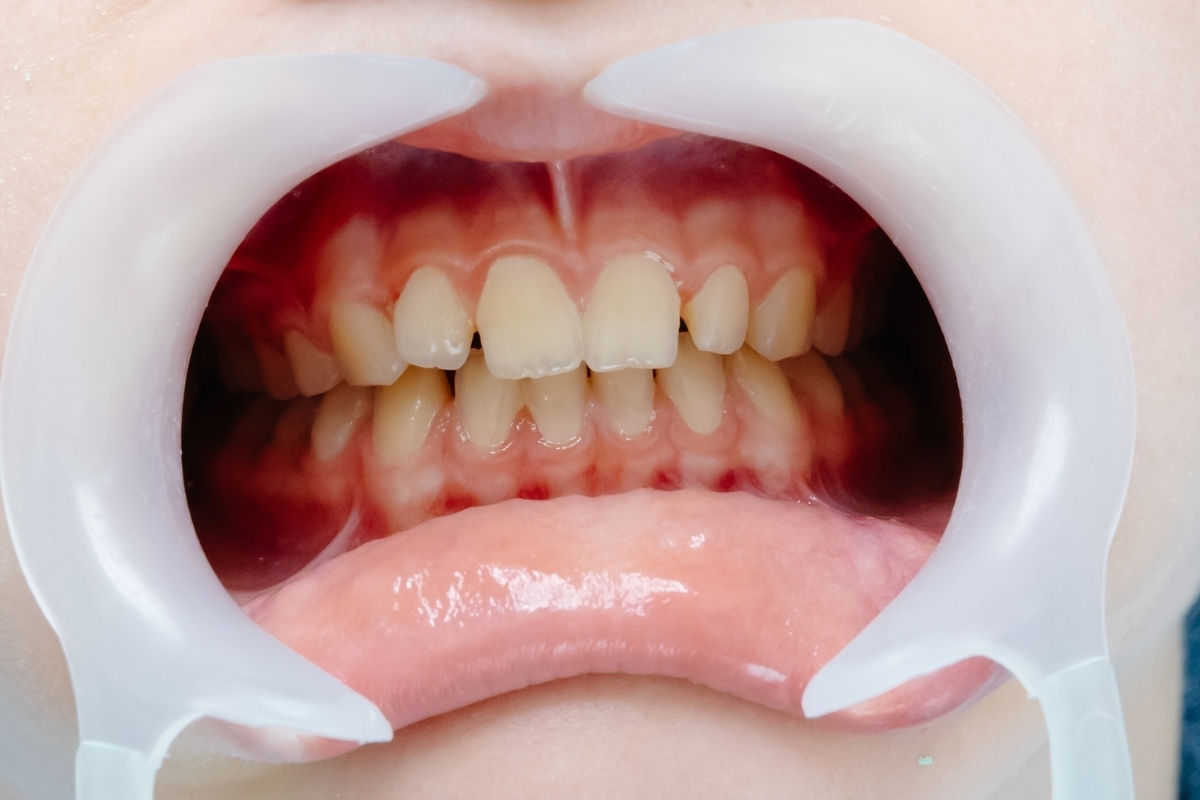
Sign 2: Red, Swollen, or Puffy Gums
Healthy gums are firm and a pale pink color. Gums affected by early gum disease often look redder than usual and feel a bit puffy or swollen, sometimes tender to the touch. If your gums look noticeably different than they used to, that’s worth paying attention to rather than ignoring.
Sign 3: Persistent Bad Breath
Everyone gets occasional bad breath, that’s normal, especially after certain foods or first thing in the morning. But bad breath that sticks around no matter how much you brush, floss, or use mouthwash often signals bacteria buildup related to gum disease. Masking it with mints doesn’t fix the actual cause.
Sign 4: Gums That Feel Tender or Sensitive
Gums shouldn’t hurt during normal daily activities like eating or brushing. If yours feel sore, tender, or sensitive more often than not, that’s a sign inflammation is present, even if you can’t see obvious redness or swelling yet. Persistent tenderness can be a sign that plaque and bacteria are irritating the gum tissue around your teeth. If the discomfort continues or gets worse, scheduling an evaluation for gum disease treatment in El Paso can help identify the cause before the problem progresses.
Sign 5: Gums Starting to Pull Away From Teeth
This one’s a bit more advanced but still counts as an early-to-mid warning sign worth catching quickly. If your teeth start to look slightly longer than before, or you notice small gaps forming near the gumline, that’s gum recession starting, which happens as gum tissue pulls back from the tooth due to ongoing inflammation.
Sign 6: A Change in How Your Teeth Fit Together
This sign gets missed a lot since it’s subtle. If your bite suddenly feels a bit different, or teeth seem slightly loose or shifted, that can indicate gum disease has started affecting the supporting structures around your teeth. This typically signals progression beyond the earliest stage, so it’s a stronger signal to get checked soon.
Sign 7: Sensitivity to Hot or Cold That’s New
New sensitivity, especially near the gumline, can develop as gums recede and expose more of the tooth root, which isn’t protected by enamel the way the crown of the tooth is. If sensitivity shows up alongside any of the other signs mentioned, it strengthens the case that something’s going on with your gum health specifically.
Why Catching These Signs Early Actually Matters
Here’s the important part: gingivitis, the earliest stage of gum disease, is completely reversible with better oral hygiene and a professional cleaning. Once it progresses into periodontitis, though, the damage to bone and gum tissue is permanent, and treatment shifts from reversing the problem to managing and controlling it instead. That’s a pretty significant difference, and it all comes down to catching things early rather than waiting for pain that may never really show up until it’s more advanced.
What Increases Your Risk of Gum Disease?
A few factors make some people more prone to it than others. Smoking significantly increases risk and also makes treatment less effective once gum disease develops. Poor oral hygiene habits allow plaque to build up and harden into tartar, which irritates gums continuously. Hormonal changes, during pregnancy or menopause for example, can make gums more sensitive to plaque. Certain medications reduce saliva flow, which normally helps rinse away bacteria. And conditions like diabetes make gum tissue more vulnerable to infection overall.
What Should You Do If You Notice Early Signs?
Don’t wait for it to get worse before booking an appointment. A dental exam can confirm whether you’re dealing with early gingivitis or something more advanced, and gum disease treatment in El Paso at this stage is usually simple; a professional cleaning combined with better home care often reverses things completely. Seeking gum disease treatment in El Paso early means avoiding the more involved procedures needed once the condition progresses further.
How Is Early Gum Disease Actually Treated?
Treatment for gingivitis typically starts with a professional cleaning to remove plaque and tartar buildup below the gumline. Your dentist will likely walk you through improved brushing and flossing techniques, since technique matters just as much as frequency. Follow-up visits confirm the gums are healing properly. For more advanced cases, deeper cleaning procedures like scaling and root planing may be needed as part of gum disease treatment near El Paso, which is exactly why catching things early tends to be simpler and less invasive than waiting.
FAQ: Frequently Asked Questions
Q: Can gum disease be cured completely if caught early?
A: Yes, gingivitis, the early stage, is fully reversible with a professional cleaning and improved home care.
Q: How do I know if my bleeding gums are serious or just from brushing too hard?
A: If bleeding continues for more than a week or two despite gentle brushing, it’s likely more than just technique and worth getting checked.
Q: Is bad breath always a sign of gum disease?
A: Not always, but persistent bad breath that doesn’t improve with regular oral hygiene is a common early symptom worth mentioning to your dentist.
Q: How often should I get checked for gum disease?
A: Every six months works for most people, though those with risk factors like smoking or diabetes may benefit from more frequent visits.
Q: Can gum disease come back after treatment?
A: It can, especially without consistent oral hygiene afterward. Regular checkups and good home care help keep it from returning.
Don’t Ignore What Your Gums Are Telling You
Bleeding, redness, persistent bad breath, none of these are things to just live with or explain away. They’re early warnings, and the earlier you catch them, the simpler the fix tends to be.
At Cielo Dental & Orthodontics, we offer thorough evaluations and effective gum disease treatment in El Paso, catching issues early and creating a personalized plan to get your gum health back on track. Schedule an appointment or visit us at 6351 S Desert Blvd #210, El Paso, TX 79932, and be gum healthy.