6351 S Desert Blvd Ste 210, El Paso, TX 79932



Root Canal Treatment is a dental procedure designed to save a tooth that has a damaged or infected pulp, the innermost part of the tooth. While the term “root canal” often invokes anxiety, understanding the different stages of this treatment can help demystify the process and alleviate concerns. This comprehensive guide explores each stage in detail, shedding light on what to expect during a root canal treatment.
Basics of Root Canal Treatment
Root canal treatment, commonly known as RCT, is a therapeutic dental procedure performed to treat infection or damage within the tooth pulp. The pulp, which contains nerves, blood vessels, and connective tissues, can become infected due to deep cavities, traumatic injuries, or severe decay. The primary goal of RCT is to remove the infected or damaged pulp, clean the interior of the tooth, and seal it to prevent further infection.
Stage 1: Diagnosis and Examination
The first stage of root canal treatment begins with a thorough diagnosis and examination by a dentist in El Paso. Patients typically experience symptoms such as severe toothache, sensitivity to hot or cold temperatures, swelling, or discomfort while chewing. During the examination, the dentist assesses the tooth’s condition through X-rays and clinical evaluation, determining if a root canal is necessary.
Stage 2: Anesthesia and Access Opening
Once the decision to proceed with root canal treatment is made, the next stage involves administering local anesthesia to ensure the patient’s comfort. Following anesthesia, the dentist or endodontist creates a small access opening in the affected tooth’s crown. This opening allows access to the pulp chamber and root canals for further treatment.
Stage 3: Cleaning and Shaping The Root Canals
The core of root canal treatment involves cleaning and shaping the root canals. Specialized instruments are used to remove the infected pulp, debris, and any bacteria present. The dentist or endodontist meticulously cleans and shapes the canals to prepare them for the next crucial step – filling and sealing.
Stage 4: Filling and Sealing The Tooth
With the root canals cleaned and shaped, the next step is to fill and seal the interior of the tooth. Gutta-percha, a biocompatible material, is commonly used to fill the canals. This material ensures a tight seal, preventing the entry of bacteria and avoiding future infections. The access opening is then sealed with a temporary or permanent filling, depending on the specific case.
Stage 5: Restoration of The Tooth
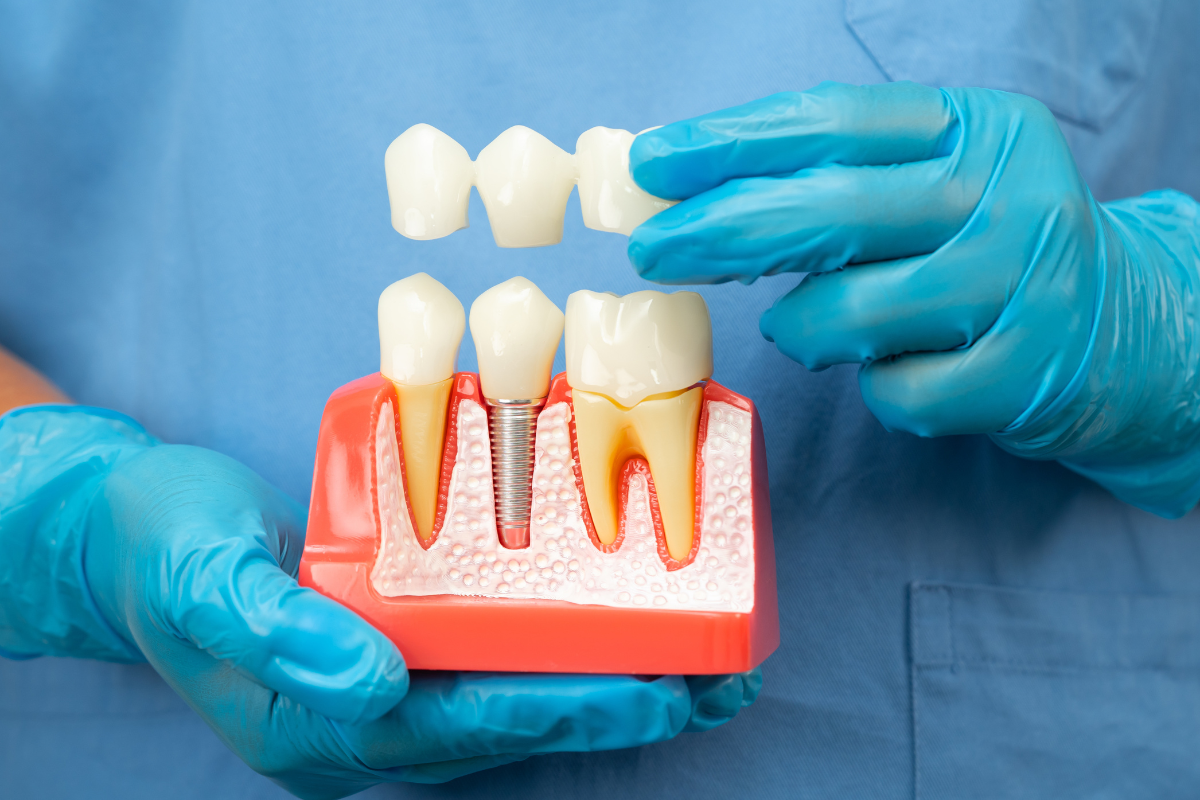
After the root canal procedure, the tooth is left hollow and may be weakened. To restore its strength and functionality, the final stage involves placing a crown or permanent filling. The choice between a crown and a filling depends on factors such as the tooth’s location and the extent of damage. A crown is often recommended for posterior teeth, providing additional structural support.
Post-Treatment Care and Recovery
Following root canal treatment, patients may experience some discomfort or mild pain, which can be managed with over-the-counter pain medications. It is essential to follow any post-treatment care instructions provided by the dentist and attend any recommended follow-up appointments to monitor the tooth’s healing progress.
Root canal treatment is a highly effective and common dental procedure that offers a lasting solution to save a tooth from extraction. Understanding the different stages of RCT can help demystify the process, providing patients with valuable insights into what to expect during their treatment journey.
With modern advancements in dental technology and techniques, root canal treatment has become a routine and successful procedure, ensuring patients can preserve their natural teeth and maintain optimal oral health. If you are experiencing symptoms that may indicate the need for a root canal, consult with Cielo Dental & Orthodontics to explore the best course of action for your dental health.