6351 S Desert Blvd Ste 210, El Paso, TX 79932


Missing teeth can affect your smile, confidence, and daily comfort. Fortunately, dental implants offer a long-term solution that looks and functions like natural teeth. Many patients choose implants because they provide stability, durability, and a natural appearance.
If you are considering dental Implants in El Paso, one of the most common questions is how long they actually last. The good news is that dental implants have an impressive lifespan. With proper care and regular dental visits, they can serve patients for decades and, in many cases, a lifetime.
Understanding the Lifespan of Dental Implants
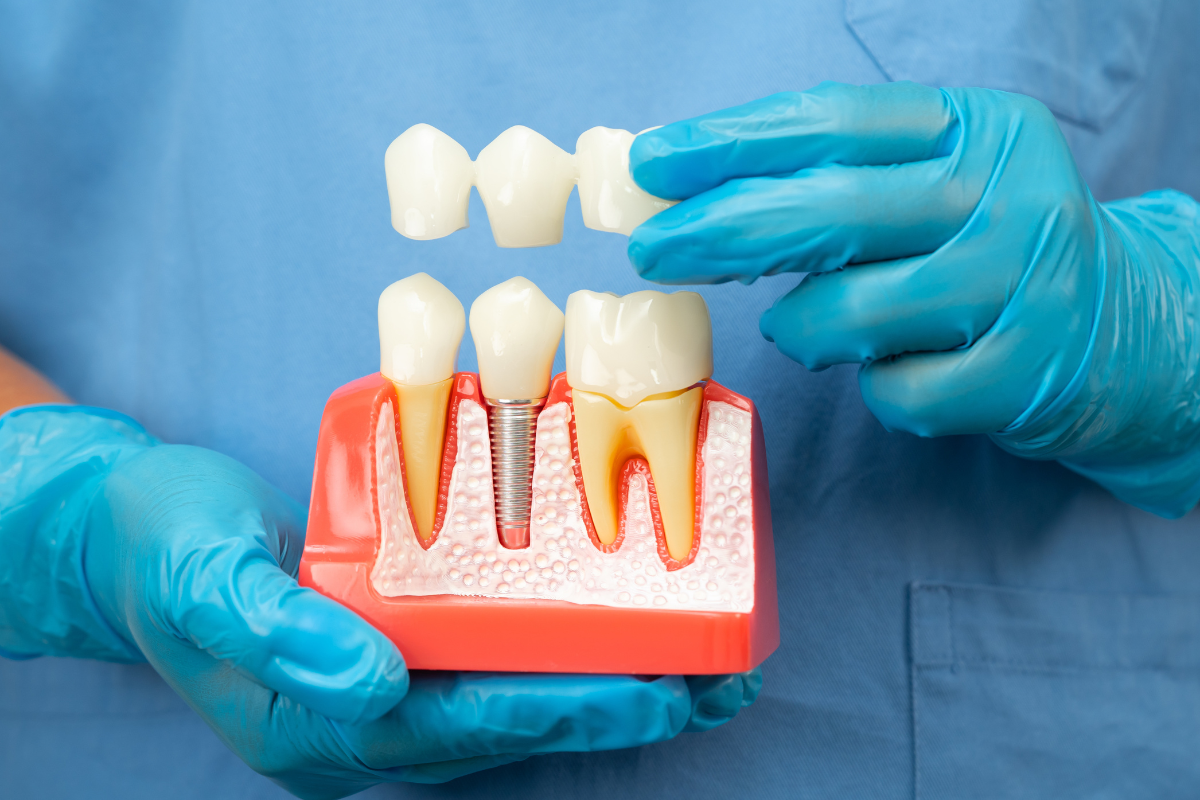
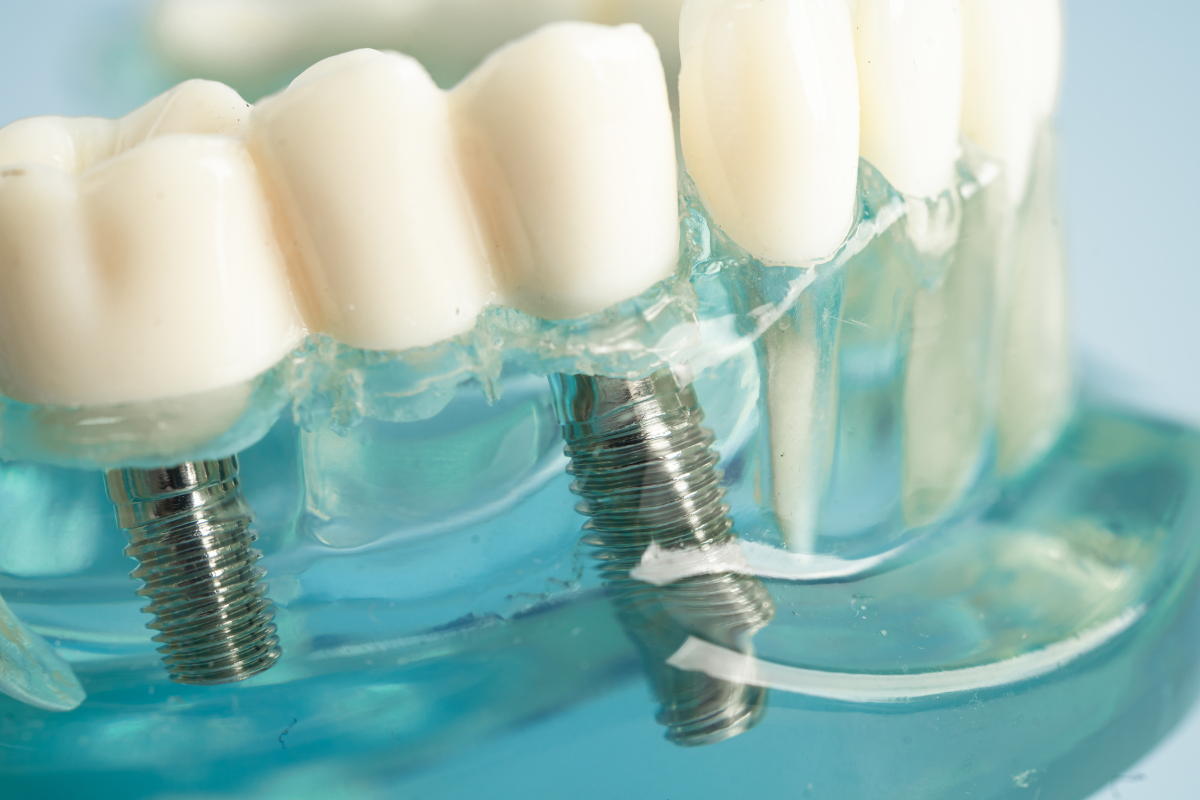
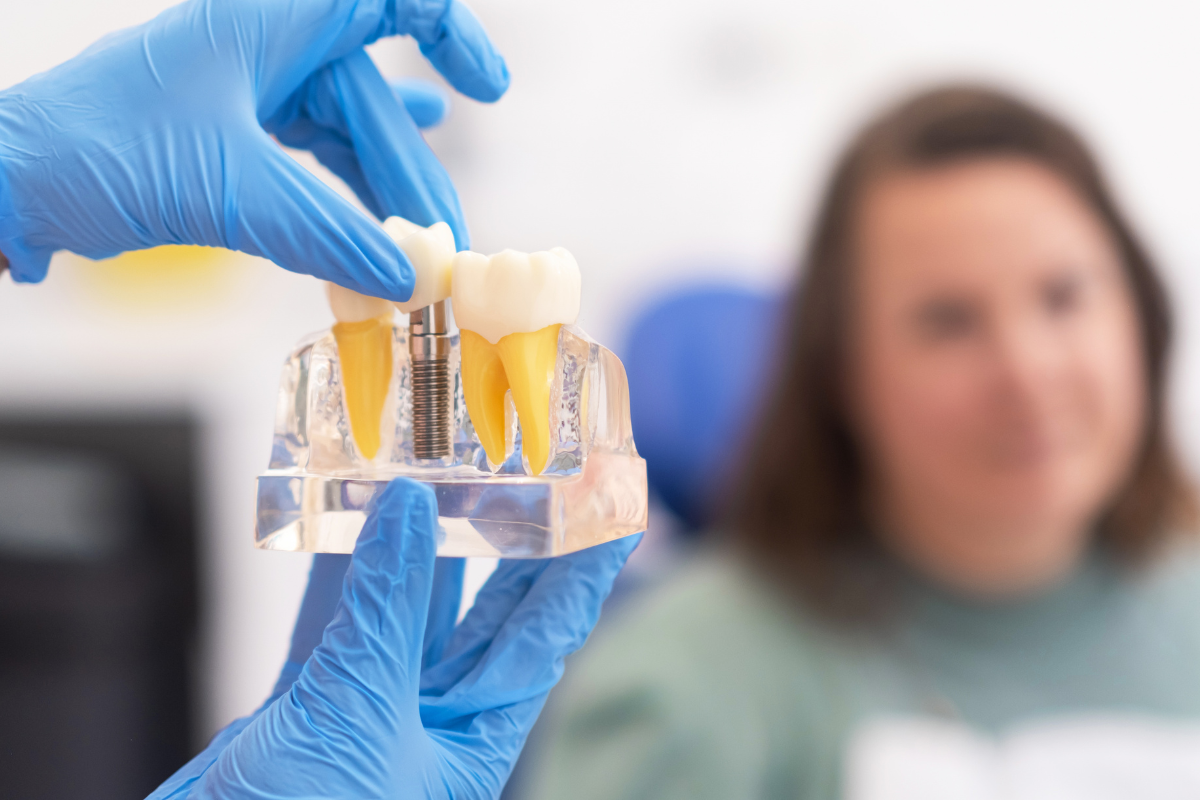
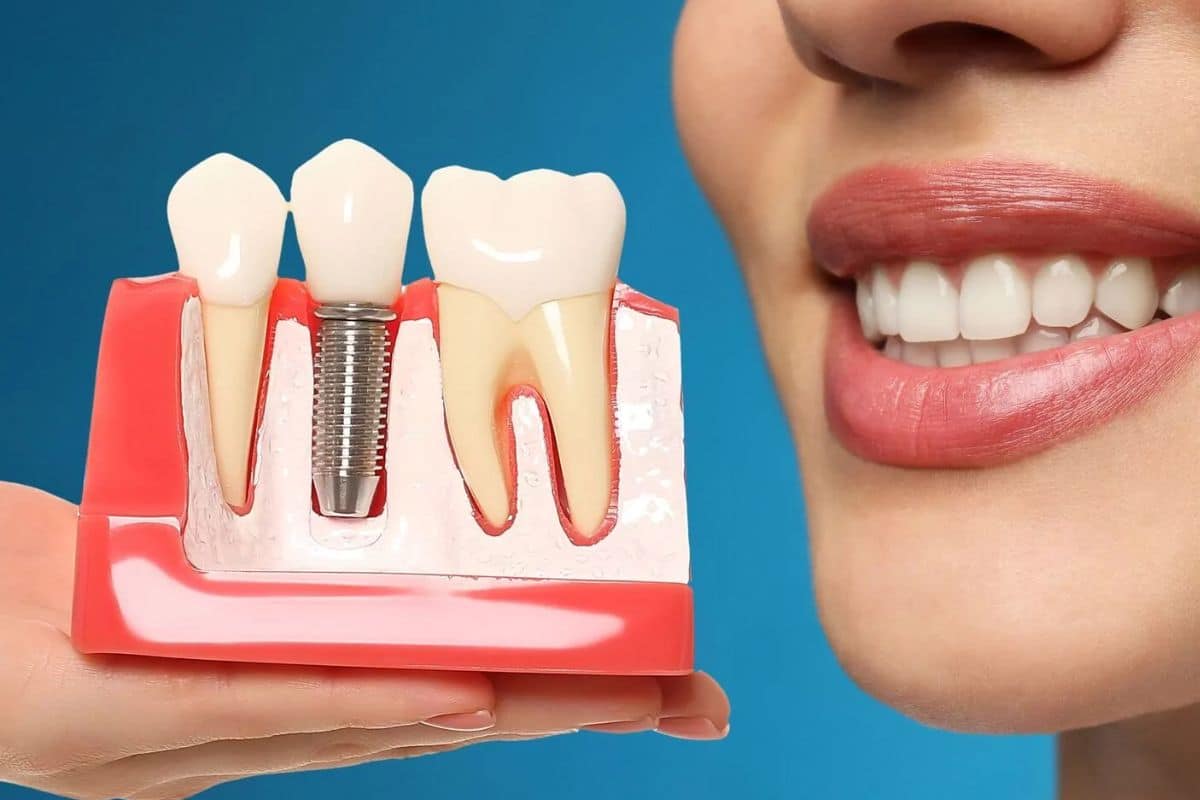
A dental implant consists of three main parts: the implant post, the abutment, and the restoration, such as a crown. The titanium implant post integrates with the jawbone through a process called osseointegration. This strong bond creates a stable foundation that can last for many years.
The implant post itself can often last 20 years or more. Many patients never need to replace it. The crown attached to the implant may require replacement after 10 to 15 years due to normal wear and tear.
Our implant dentist can evaluate your oral health and recommend the best treatment plan to maximize the lifespan of your implants.
Factors that affect how long implants last
Our implant dentist will tell you that longevity isn’t just about the implant itself — it’s also about you. Here are the main factors that play a role:
Oral Hygiene Habits
Good oral hygiene plays a major role in implant success. Brushing twice daily, flossing, and routine professional cleanings help keep the gums healthy and prevent complications.
Quality of Bone Support
Strong and healthy jawbone tissue provides a secure foundation for implants. Patients with sufficient bone density often experience better long-term outcomes.
Lifestyle Choices
Smoking can slow healing and increase the risk of implant failure. Limiting tobacco use and maintaining a healthy lifestyle can improve implant longevity.
Regular Dental Checkups
Routine visits with an dentist help identify potential issues before they become serious. Professional monitoring ensures your implants remain healthy and functional.
Signs Your Dental Implant Is Healthy
A successful dental implant should feel stable and comfortable. Healthy implants allow you to eat, speak, and smile without difficulty.
Some signs of a healthy implant include:
- Firm placement without movement
- Healthy gums around the implant
- No pain or discomfort
- Normal chewing function
- No signs of infection
Our dentist can monitor these factors during regular dental exams.
How to Make Your Dental Implants Last Longer
Proper care can significantly extend the lifespan of your implants.
Maintain Daily Oral Care
Brush and floss consistently to remove plaque and bacteria. Consider using products recommended by your dental provider.
Protect Against Teeth Grinding
If you grind your teeth at night, a custom nightguard can help protect both your implants and natural teeth.
Avoid Using Teeth as Tools
Do not use your teeth to open packages or bite hard objects. Excessive force can damage implant restorations.
Follow Professional Recommendations
Regular checkups with dentists allow for early detection of concerns and help maintain long-term implant health.
Ready to Restore Your Smile?
If you want a long-lasting solution for missing teeth, schedule a consultation with Cielo Dental & Orthodontics. Our dental team can help you determine whether dental implants are right for you and create a personalized treatment plan for a healthier, more confident smile.
Frequently Asked Questions (FAQs)
How long do dental implants typically last?
The implant post can often last 20 years or longer. With proper care, many patients keep their implants for a lifetime.
Do dental implants require special cleaning?
Dental implants do not require special cleaning products, but consistent brushing, flossing, and professional cleanings are essential.
Can older adults get dental implants?
Yes. Age alone is not a barrier. Many older adults successfully receive dental implants if they have adequate oral and overall health.
Can dental implants fail?
While implant success rates are very high, failure can occur due to infection, smoking, poor oral hygiene, or insufficient bone support.