6351 S Desert Blvd Ste 210, El Paso, TX 79932


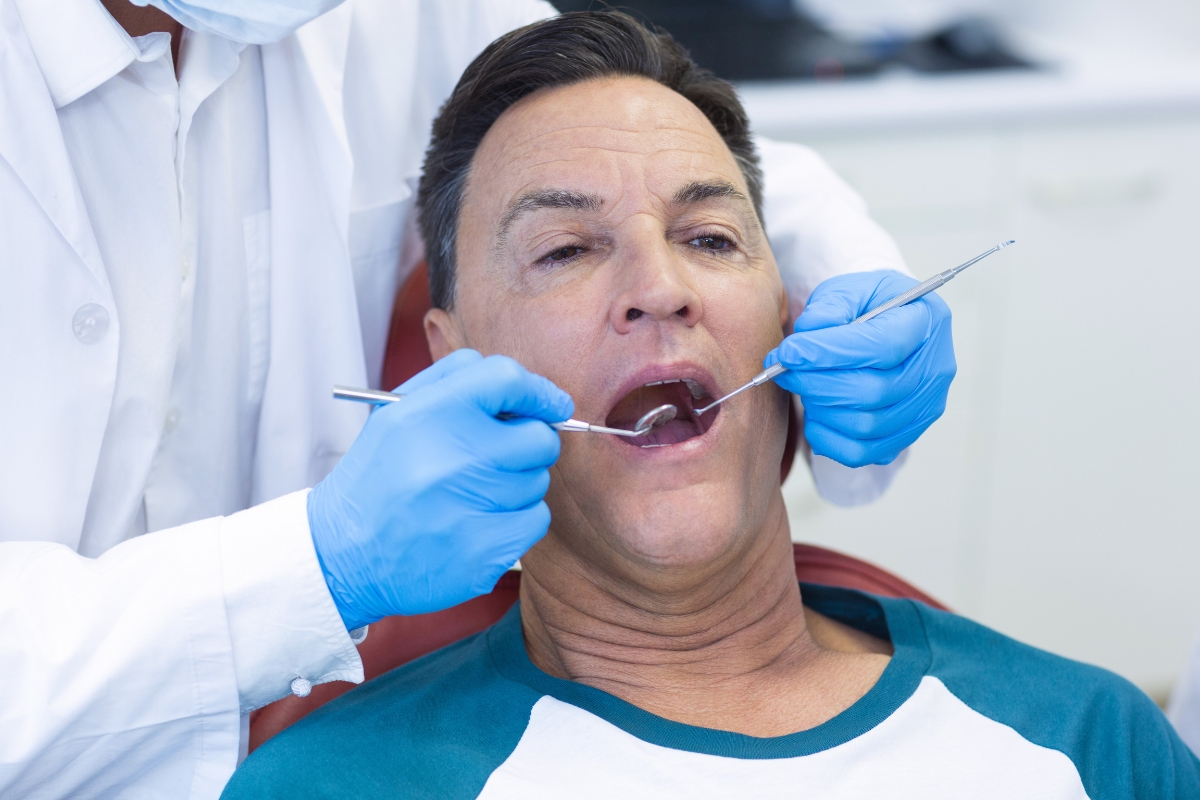
Let’s get one thing straight first. Most dental problems are not life-threatening. A cavity won’t kill you, and neither will a chipped tooth. But some dental issues, when ignored long enough, can spiral into serious, even dangerous health problems. It’s rare, sure. Still, it happens, and it’s almost always preventable with timely care. So how does a dentist in El Paso step in before things get that far? Let’s walk through the complex problems that can turn serious, and how they actually get treated.
Why Can a Dental Problem Become Dangerous at All?
Your mouth isn’t sealed off from the rest of your body. Bacteria from an infected tooth or inflamed gums can travel through tissue and, in rare cases, the bloodstream. That’s how a problem that starts in one tooth can end up affecting your jaw, neck, heart, or overall health. The longer an issue sits untreated, the more chances bacteria have to spread. Good news, though: dentists have effective ways to stop that progression, usually well before it becomes a real threat.
Complex Dental Problems That Need Prompt Treatment
1. Dental Abscesses
An abscess is a pocket of pus caused by bacterial infection, usually at the root of a tooth. It causes throbbing pain, swelling, and sometimes fever. Left alone, the infection can spread to the jaw, neck, or beyond. In rare, severe cases, it can lead to sepsis, a life-threatening reaction to infection.
Treatment starts with draining the abscess to relieve pressure and remove infection. Then a dentist in El Paso treats the source, usually with a root canal to clean out the infected pulp, or an extraction if the tooth can’t be saved. Antibiotics often support the process, though they don’t replace treating the actual source.
2. Advanced Gum Disease
Periodontitis damages the bone and tissue holding your teeth in place, and research has linked it to heart disease and complications with diabetes. Treatment depends on severity. Scaling and root planing, a deep cleaning below the gumline, removes bacteria and tartar causing the damage. Advanced cases might need surgical treatment to repair damaged tissue and bone, or ongoing maintenance visits to keep things under control.
3. Impacted Wisdom Teeth
Wisdom teeth that can’t fully emerge can trap bacteria, cause repeated infections, and damage neighboring teeth. Removing them, sometimes before problems even develop, prevents these complications. Dentists usually recommend extraction when there’s a pattern of infection, pain, or risk to nearby teeth.
4. Deep Decay Reaching the Nerve
A cavity that reaches the inner pulp of a tooth exposes nerves and blood vessels to bacteria. At that stage, a simple filling won’t cut it anymore. A root canal removes the infected pulp, seals the tooth, and usually saves it. If the tooth is too damaged, extraction and replacement with an implant or bridge becomes the better route.
5. Oral Cancer
This one deserves attention because early detection saves lives. Oral cancer often starts as a small sore, patch, or lump that doesn’t heal, and it’s easy to miss without a trained eye. Dentists screen for it during routine exams, checking the mouth, tongue, throat, and neck. If something looks suspicious, they refer you to a specialist for a biopsy and further care. Caught early, outcomes are far better than when it’s found late.
6. Facial Trauma and Severe Tooth Injuries
Knocked-out teeth, broken jaws, and deep cracks need fast attention. Beyond pain, untreated trauma can lead to infection or long-term damage to bone and surrounding tissue. Treatment might involve reinserting a tooth, stabilizing fractured teeth, or coordinating with an oral surgeon for more serious injuries.
What Warning Signs Mean You Shouldn’t Wait?
Some symptoms call for same-day attention. Swelling in your face or jaw. Difficulty swallowing or breathing. A fever alongside tooth pain. Pain that doesn’t respond to over-the-counter medication. A sore in your mouth that hasn’t healed after two weeks. Any of these can signal something more complex than a routine problem, and a dentist near El Paso can evaluate and treat it before it progresses.
How Does Early Detection Actually Change the Outcome?
Plenty. A small abscess drained early is a manageable procedure. The same abscess left for weeks can need hospitalization. Early gum disease reverses with a cleaning, while advanced periodontitis needs surgery and lifelong management. Oral cancer found early has significantly better survival rates than cancer found late. Time, honestly, is the single biggest factor in how complicated any of these problems get.
How Do Dentists Work With Other Specialists?
Complex cases often involve a team. Your dentist might bring in an endodontist for tricky root canals, a periodontist for advanced gum disease, or an oral surgeon for impacted teeth and jaw trauma. For suspected oral cancer, referral to an oncology specialist happens quickly. Part of a general dentist’s job is recognizing when a case needs extra expertise and getting you there fast.
Can Regular Checkups Prevent These Problems?
They can’t prevent everything, but they catch most issues while they’re still simple to treat. Routine exams, X-rays, and oral cancer screenings find problems you can’t see or feel yet. That’s exactly why a regular dentist in El Paso matters even when your teeth feel perfectly fine. Pain is often the last symptom to show up, not the first.
FAQ: Frequently Asked Questions
Q: Can a tooth infection actually be life-threatening?
A: Rarely, but yes. Untreated infections can spread to the jaw, neck, or bloodstream and cause serious complications like sepsis, which is why prompt treatment matters.
Q: How quickly can a dental infection spread?
A: It varies, but infections can worsen within days. Facial swelling, fever, or trouble swallowing mean you need immediate care.
Q: Does a dentist screen for oral cancer during regular checkups?
A: Yes, most routine exams include an oral cancer screening, checking the mouth, tongue, and throat for unusual changes.
Q: Will I always need a root canal for a serious infection?
A: Not always. It depends on how much damage has occurred and whether the tooth can realistically be saved.
Q: What should I do if I suspect a serious dental problem?
A: Contact a dentist right away. If you have trouble breathing or swallowing, go to the nearest emergency room.
Don’t Wait for a Small Problem to Become a Big One
Most dental issues are completely manageable when caught on time. The dangerous cases almost always involve waiting too long, ignoring symptoms, or skipping regular checkups.
At Cielo Dental & Orthodontics, our dentist in El Paso offers thorough exams, prompt treatment for infections, and screenings designed to catch complex problems early. Book an appointment or visit our clinic at 6351 S Desert Blvd #210, El Paso, TX 79932, and keep your teeth healthy.