6351 S Desert Blvd Ste 210, El Paso, TX 79932


If you have been researching ways to straighten your teeth without metal braces, you have probably come across both “clear aligner therapy” and “Invisalign” used interchangeably. Most people assume they mean the same thing. Before booking a consultation or comparing prices, it helps to understand what each term actually means, because the distinction is more useful than most dental websites make it sound.
Are Clear Aligner Therapy and Invisalign the Same Thing?
No, but Invisalign is a type of clear aligner therapy. Clear aligner therapy is the broad clinical category that covers any orthodontic treatment using custom-made, removable plastic trays to gradually shift teeth. Invisalign is one specific brand within that category, the same way a specific phone model fits under the wider category of smartphones.
Think of it this way: all Invisalign treatment is clear aligner therapy, but not all clear aligner therapy is Invisalign. Understanding that one sentence clears up most of the confusion patients arrive with.
What Is Clear Aligner Therapy?
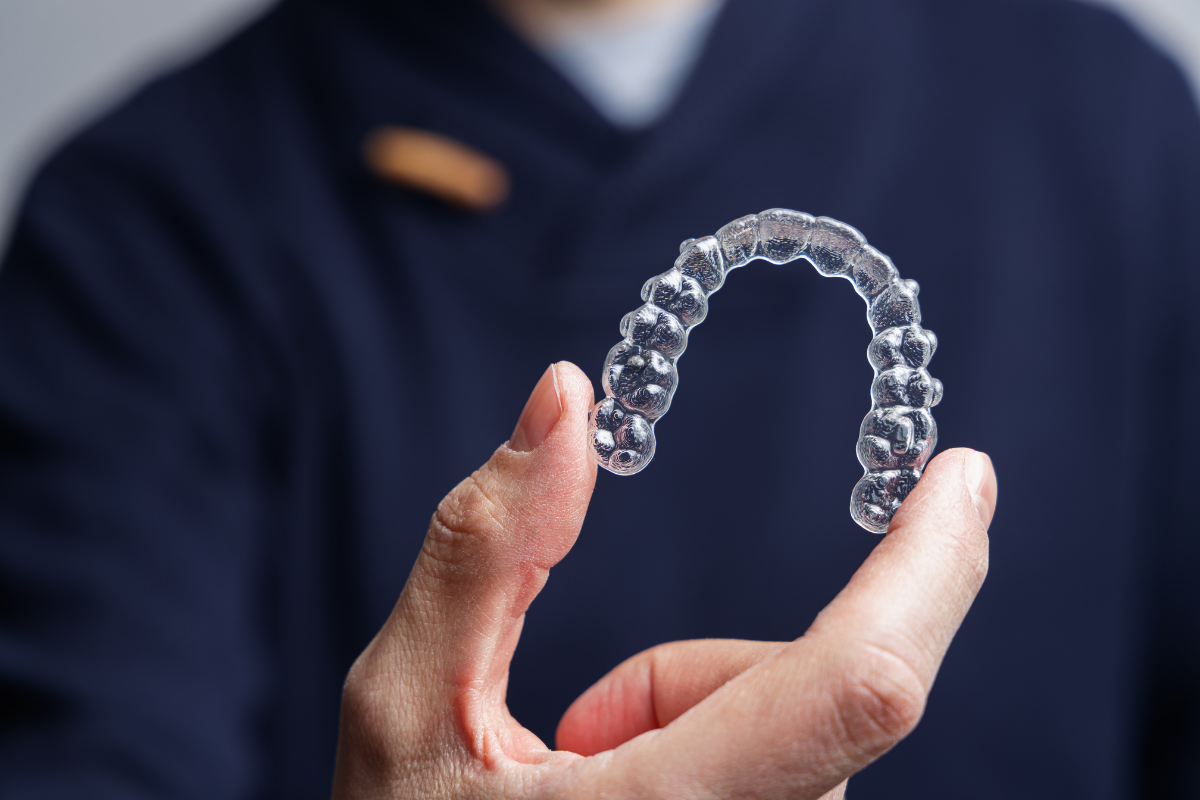
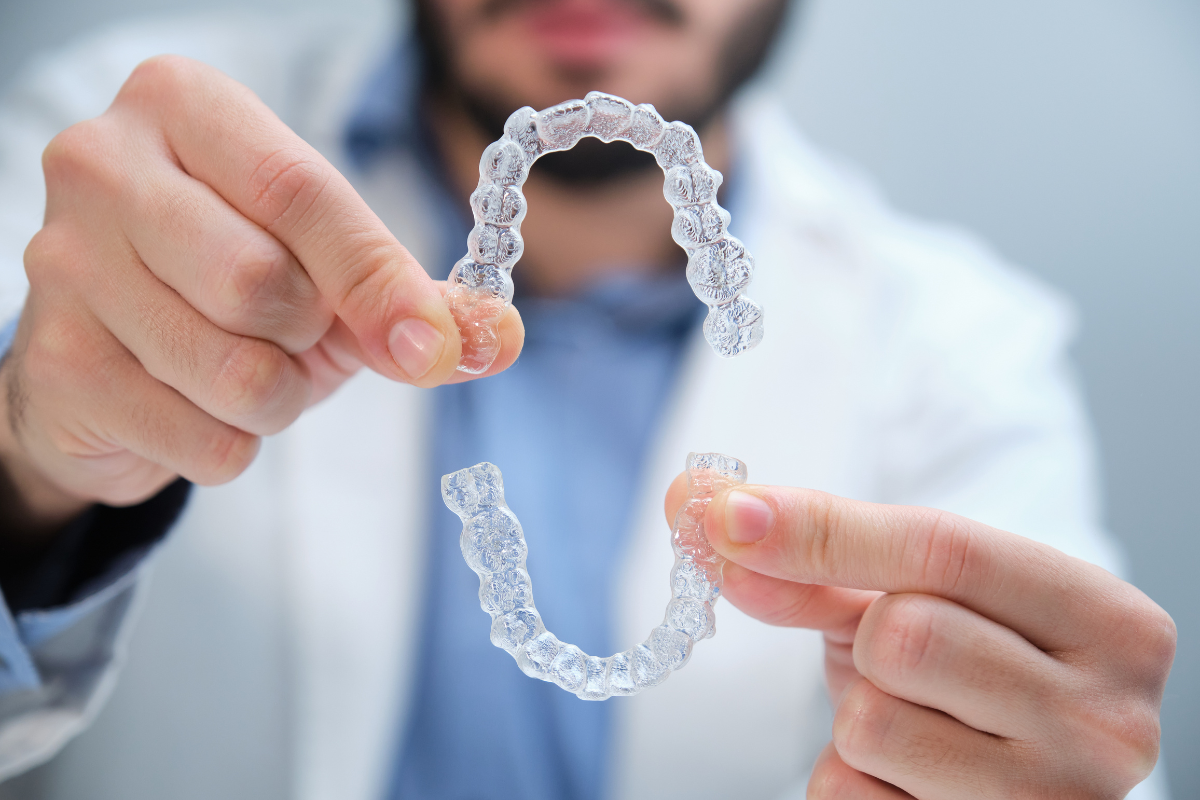
Clear aligner therapy refers to the general clinical approach of using a series of transparent, removable trays to move teeth into better alignment over time. Each tray is custom-fabricated to fit the patient’s exact dental structure and applies gentle, controlled pressure to shift specific teeth incrementally. When one tray has done its job, the patient moves to the next one in the sequence.
This approach works for a wide range of orthodontic concerns including crowded teeth, spacing issues, mild overbites, underbites, and crossbites. The trays are worn for 20 to 22 hours a day and removed only for eating, drinking anything other than water, and brushing. Treatment length varies depending on the complexity of the case, ranging from a few months for minor corrections to well over a year for more involved movement.
Multiple brands and systems fall under this umbrella, including both in-office systems supervised by a licensed dentist or orthodontist and some at-home options. The quality, precision, and clinical oversight involved can vary considerably between them.
What Makes Invisalign Different?
Invisalign is a brand developed by Align Technology, introduced in 1997 and now one of the most widely researched clear aligner systems available. Several features set it apart from other aligner systems.
First, Invisalign uses a patented thermoplastic material called SmartTrack, which is engineered to apply more consistent force and move teeth more predictably than standard plastic tray materials. Second, Invisalign treatment begins with a detailed 3D digital scan processed through proprietary ClinCheck software, which maps out the full movement of every tooth from the starting position to the final result before a single tray is made. Patients can see a simulation of their projected outcome before committing to treatment.
Third, Invisalign is only available through certified providers who have completed specific training requirements. This means the treatment is always supervised in-office by a qualified clinician rather than mailed to a home address based on a self-taken impression.
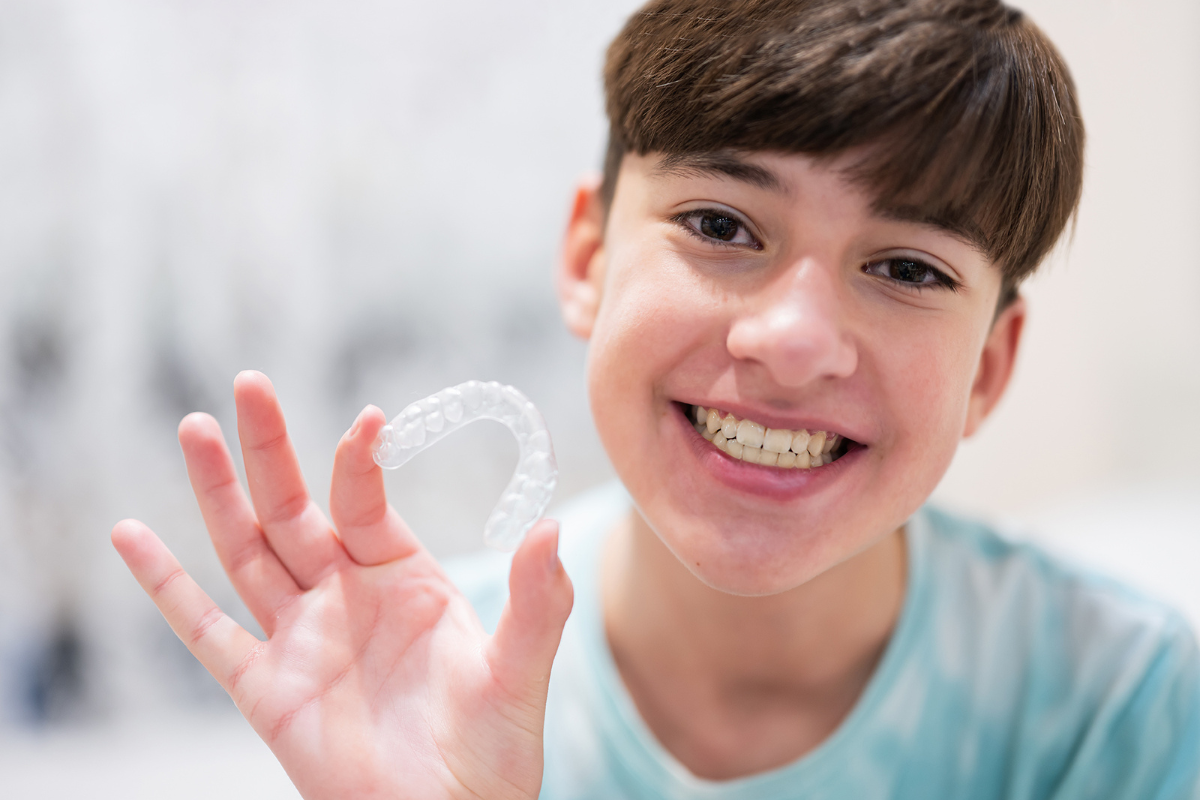
Invisalign also offers specialized versions for different patient needs, including Invisalign Teen. This version features eruption tabs that leave space for still-developing molars and a blue compliance indicator that fades with wear so parents and doctors can monitor daily usage without guessing.
Which One Should You Choose?
The honest answer is that it depends on your specific case, your lifestyle, and what your doctor recommends after a proper evaluation.
For patients in El Paso exploring orthodontic options, Dr. McBride and Dr. Galloway at Cielo Dental and Orthodontics offer both clear aligner therapy and Invisalign under one roof. The practice uses iTero digital scanning technology to evaluate bite alignment, tooth positioning, and jaw structure before recommending a treatment path. Patients who come in asking specifically about clear aligner therapy in El Paso often find that the right answer only becomes clear after seeing an actual 3D scan of their own teeth. As a trusted dentist in El Paso serving patients across the area, the team at Cielo Dental and Orthodontics walks through the differences between aligner systems during the initial consultation so patients understand not just what they are getting but why that option fits their specific situation.
Simpler cases such as minor crowding, small gaps, and mild bite concerns can often be addressed with a well-made aligner system regardless of brand. More complex tooth movements, including significant rotation corrections and precise torque control, tend to benefit from the advanced material and software precision that Invisalign specifically provides.
Cost is another factor worth considering. Invisalign tends to carry a higher price point than other aligner systems because of the technology and brand investment involved. However, many orthodontic insurance plans cover both options and most practices offer financing arrangements to make treatment accessible.
The best way to know which path suits you is not an article. It is a scan of your actual teeth.
Transform Your Smile with Professional Orthodontic Care
A straighter smile can improve confidence, oral health, and overall quality of life. Whether you’re interested in Invisalign or another clear aligner system, professional guidance is essential for achieving lasting results.
At Cielo Dental & Orthodontics, our team is committed to helping patients achieve healthier, more confident smiles through personalized orthodontic solutions. Schedule your consultation today to learn more about your options and take the first step toward the smile you’ve always wanted.
Frequently Asked Questions(FAQ’s)
Is Invisalign better than other clear aligner systems?
Not automatically. For mild to moderate cases, a well-supervised generic aligner system can produce comparable results. Where Invisalign tends to perform more consistently is in complex cases, because its SmartTrack material and ClinCheck software offer more precise control over tooth movement. Your orthodontist is best placed to tell you whether that level of precision matters for your specific case.
How long does clear aligner therapy usually take?
It depends on what needs to be corrected. Minor spacing or crowding issues can see significant improvement in three to six months. Most full treatment plans run between 12 and 18 months. Cases involving bite correction or more significant movement may take longer. Compliance matters enormously as wearing your trays the full 20 to 22 hours a day keeps treatment on schedule.
Can clear aligner therapy fix bite problems or just straighten teeth?
Modern aligner systems including Invisalign can address a range of bite concerns such as overbites, underbites, crossbites, and open bites in addition to crowding and spacing. However, the severity of the bite issue matters. Some complex skeletal or jaw-related problems still require traditional braces or a combination approach. A proper clinical evaluation determines what aligner therapy can realistically achieve for your bite.
Do I have to wear aligners all day or can I take them out?
Aligners need to be worn for 20 to 22 hours out of every 24. They come out for meals, drinks other than water, and your oral hygiene routine. Beyond that, they stay in including during sleep. Patients who regularly skip wear time extend their treatment significantly or risk teeth moving in unintended directions. The removability of aligners is a genuine lifestyle benefit, but it only works when the commitment to wearing them is consistent.