6351 S Desert Blvd Ste 210, El Paso, TX 79932


If you’re looking to get a dental implant, it can be an intimidating process. You may have questions about the procedure and what to expect. This article will provide a step-by-step guide to help ease your mind and ensure that you get the best possible care for your new dental implant. Read on for more information!
What is a Dental Implant?
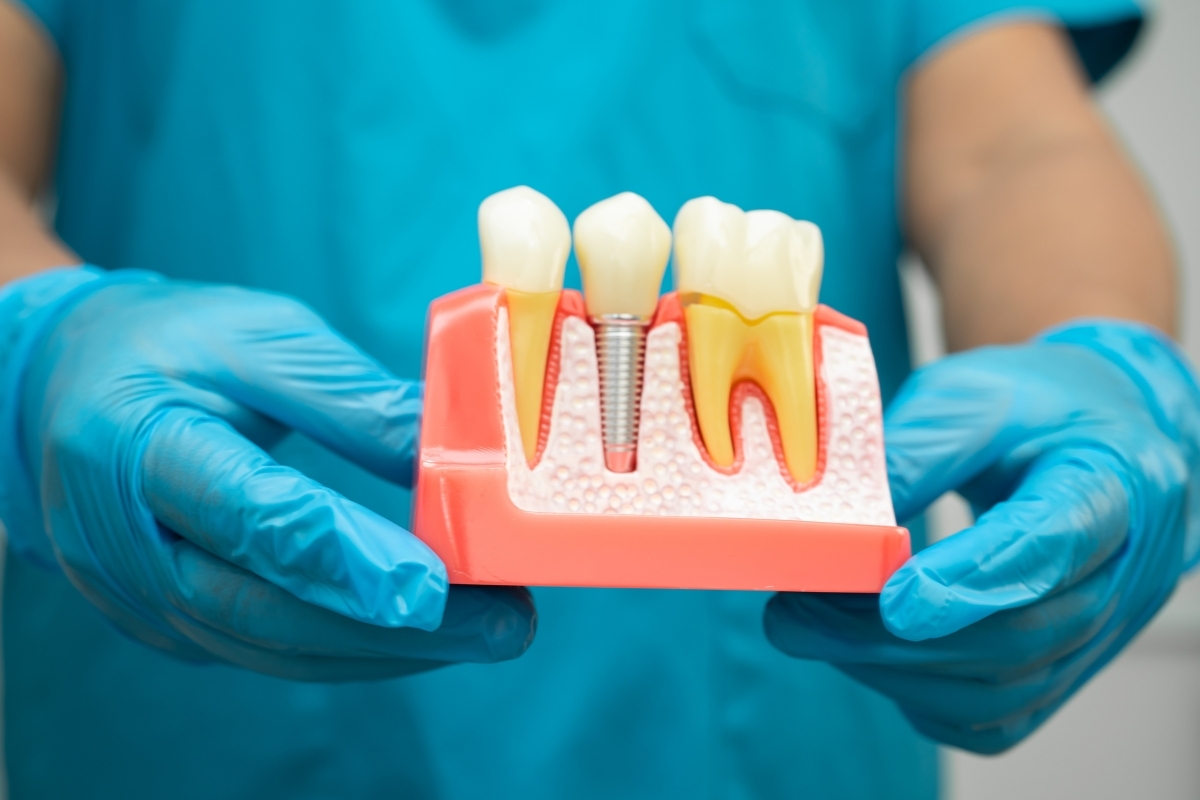
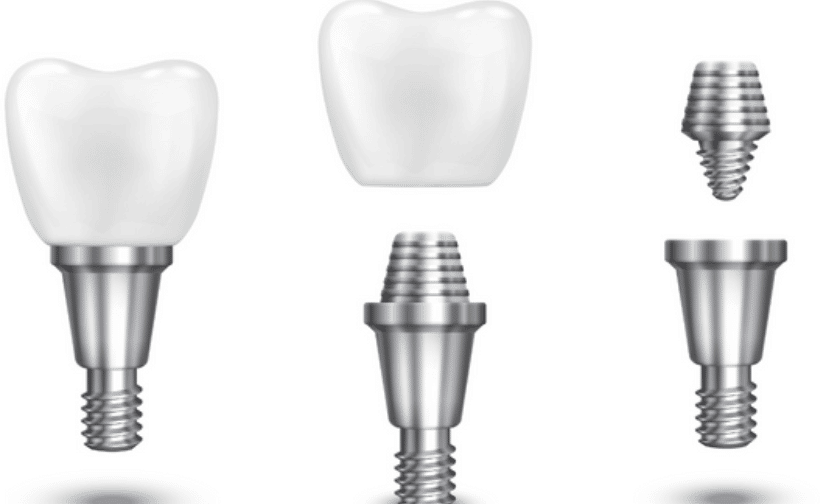
A dental implant is a small metal post that is surgically placed into the jawbone to serve as a replacement for a missing tooth. The post is then capped with a artificial tooth, called a crown. dental implants El Paso are an ideal solution for people who have lost one or more teeth due to injury or disease.
Dental implants are made of titanium, a material that is compatible with the human body and will fuse to the bone over time. This process, called osseointegration, ensures that the implant will be secure and stable. Once osseointegration is complete, the implant can be used to support a single tooth (called a single-tooth implant), multiple teeth (called an implant-supported bridge), or even dentures (called an implant-supported denture).
Dental implants are strong and durable, and they can last a lifetime with proper care. They also look and feel like natural teeth, so you can eat and speak with confidence. If you are considering dental implants, be sure to discuss all of your options with your dentist to find the best solution for your individual needs.
How to Prepare for a Dental Implant Procedure
If you’re considering a dental implant, congratulations! Dental implants are a great way to restore your smile. But before you can enjoy your new smile, there’s a little preparation that needs to be done. Here’s what you need to know about how to prepare for your dental implant procedure:
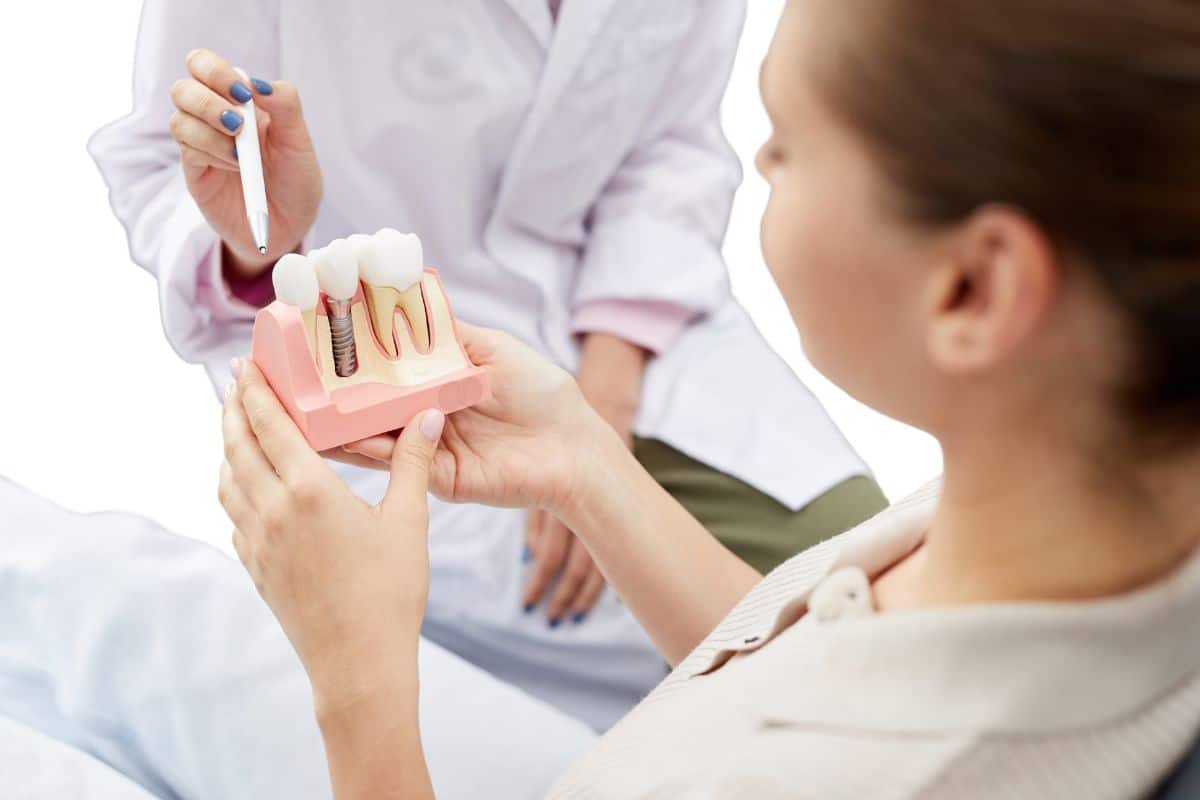
1. Schedule a consultation with your dentist. This is an important first step in the process, as it will allow your dentist to evaluate your mouth and see if you’re a good candidate for dental implants.
2. Get a complete oral examination. Once it’s been determined that you’re a good candidate for dental implants, you’ll need to get a complete oral examination. This will help your dentist develop a treatment plan that’s specific to your needs.
3. Have healthy gums and bones. In order for dental implants to be successful, you need to have healthy gums and bones. If you have any gum disease or bone loss, it will need to be treated before moving forward with dental implants.
4. Quit smoking. Smoking is one of the biggest risk factors for implant failure, so if you smoke, now is the time to quit. Your dentist can help you develop a plan to quit smoking before your procedure.
5. Eat a healthy diet. Eating a healthy diet is important for overall health, but it’s especially important if you’re considering dental implants. A nutritious diet will help ensure that your body has the nutrients it needs for healing
The Different Types of Implants
When it comes to dental implants, there are a few different types that you can choose from. It’s important to know the differences between each type of implant so that you can make an informed decision about which one is right for you. Here are the different types of implants:
Endosteal Implants: These are the most common type of dental implants. They are surgically placed into the jawbone and act as a foundation for artificial teeth.
Subperiosteal Implants: These implants are placed on top of the jawbone, under the gums. They are not as common as endosteal implants, but they may be an option for people who do not have enough bone height for endosteal implants.
Mini Implants: Mini implants are a type of endosteal implant, but they are smaller in size. They are typically used to support removable dentures or to stabilize loose teeth.
Benefits and Risks of Getting an Implant
An implant is a great way to replace a missing tooth and give you back your smile. They are also very strong and can last a lifetime with proper care. However, there are some risks associated with getting an implant that you should be aware of before making the decision to get one.
The main benefit of getting an implant is that it will restore your smile. If you have a missing tooth, an implant can fill the gap and give you back your confident smile. Implants are also very strong and durable. With proper care, they can last a lifetime.
There are some risks associated with implants, however. The most common complication is infection at the site of the implant. This can usually be treated with antibiotics, but in rare cases may require surgery to remove the implant. There is also a small risk of nerve damage when getting an implant, which can cause numbness or tingling in the teeth, lips, or tongue. If this occurs, it is usually temporary and will resolve on its own.
What to Expect During the Procedure
The dental implant procedure is relatively simple and straightforward. First, your dentist will make an incision in your gums to expose the bone underneath. Next, a small hole will be drilled into the bone to accommodate the titanium implant post. Once the post is in place, your gum tissue will be sutured closed. Finally, a dental crown or bridge will be placed on top of the implant post to complete the restoration.
Aftercare Tips and Guidelines
Aftercare for dental implants is critical to ensure the success of your procedure. Here are some tips and guidelines to follow:
1. Keep your mouth clean. Brush and floss your teeth twice a day and use an antiseptic mouthwash as directed by your dentist or implant surgeon.
2. Be careful with what you eat. Avoid hard, crunchy or chewy foods that can damage your implants or loosen them from their supporting structures. Stick to softer foods and cut your food into smaller pieces to make chewing easier.
3. Avoid smoking. Smoking can delay healing, increase the risk of infection and lead to implant failure. If you smoke, talk to your dentist or implant surgeon about strategies to help you quit.
4. Visit your dentist in El Paso regularly for checkups and cleanings. These appointments will allow your dentist to monitor the health of your implants and ensure they are functioning properly.
Alternatives to Implants
If you are considering getting a dental implant, you may be wondering if there are any alternatives. While implants are the most popular option for replacing missing teeth, they are not the only option. Here are some other options to consider:
Dental bridges: Dental bridges are commonly used to replace one or more missing teeth. A bridge is made up of two crowns that are placed on the teeth adjacent to the empty space, with a false tooth (or pontic) in between. Bridges can be supported by dental implants, natural teeth, or a combination of both.
Dentures: Dentures have been used for centuries to replace missing teeth. Today’s dentures are much more comfortable and realistic-looking than ever before. They can be removable or fixed in place with adhesive.
Partial dentures: Partial dentures are used when some natural teeth remain in the mouth. They consist of false teeth attached to a metal framework that plugs into remaining natural teeth.
Implant-supported dentures: Implant-supported dentures are similar to traditional dentures, but they are secured to dental implants rather than natural teeth. This makes them more stable and less likely to slip or move around in your mouth.
Conclusion
A dental implant is a great option for those looking to restore their smile. With the right preparation and knowledge, you can make sure that your dental implant process goes as smoothly as possible. By following the steps outlined in this guide, from your initial consultation to aftercare, you can ensure that your experience with getting a dental implant is successful and stress-free. With some research and professional guidance, you’ll be able to find the perfect solution for restoring your beautiful smile in no time!