6351 S Desert Blvd Ste 210, El Paso, TX 79932


Losing a tooth can feel like losing a piece of your confidence. The good news? Dental implants offer a permanent, natural-looking solution that lets you eat, speak, and smile without worry. But here’s the catch: implants are only as durable as the care behind them.
If you’re wondering how to care for dental implants so they last a lifetime, you’re not alone. Many patients invest in implants and assume they’re maintenance-free simply because they’re not “real” teeth. In reality, proper care is what stands between you and decades of confident smiles.
In this guide, we’ll walk through everything you need to know from daily hygiene habits to long-term maintenance tips so your investment keeps paying off for years to come.
Why Dental Implant Care Matters
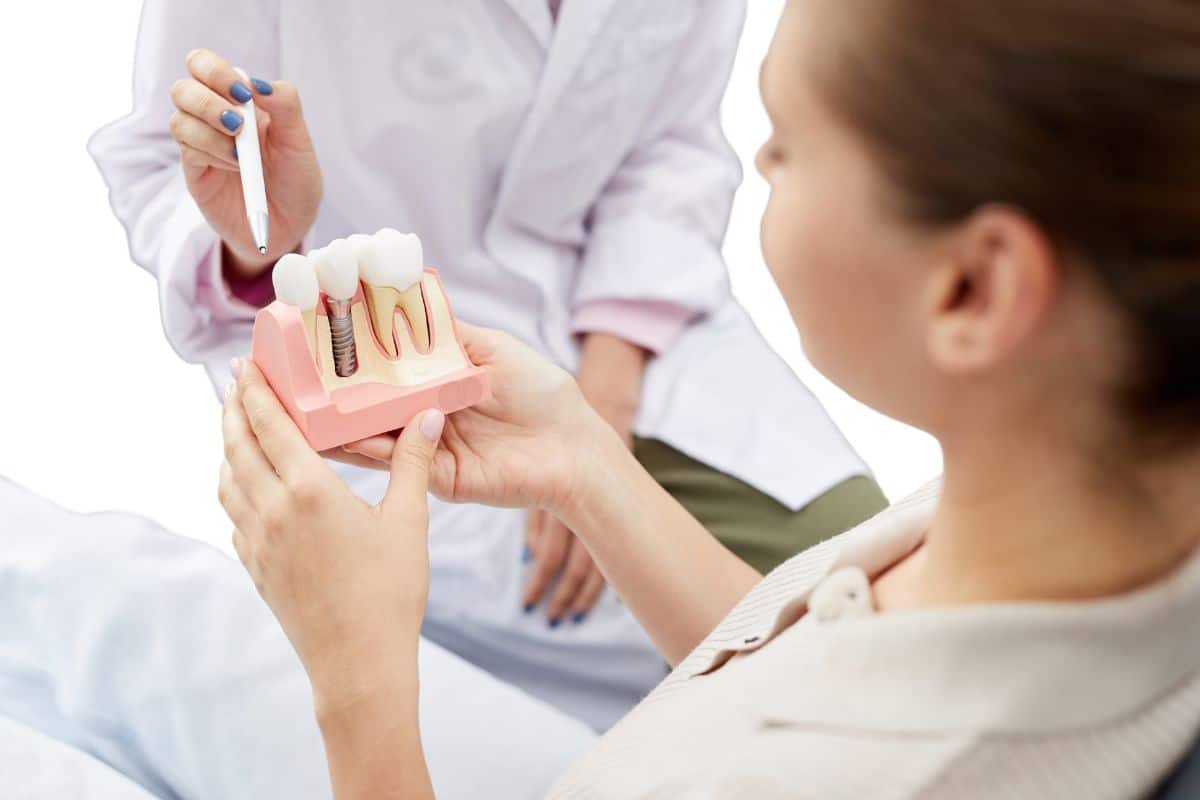
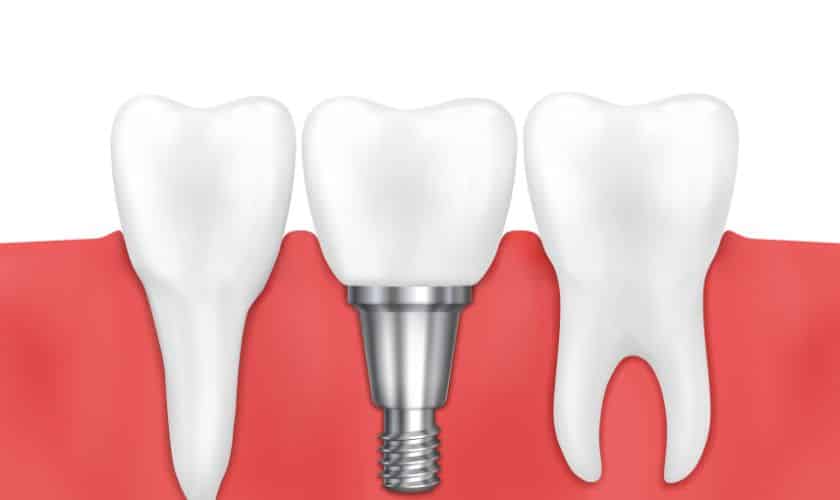
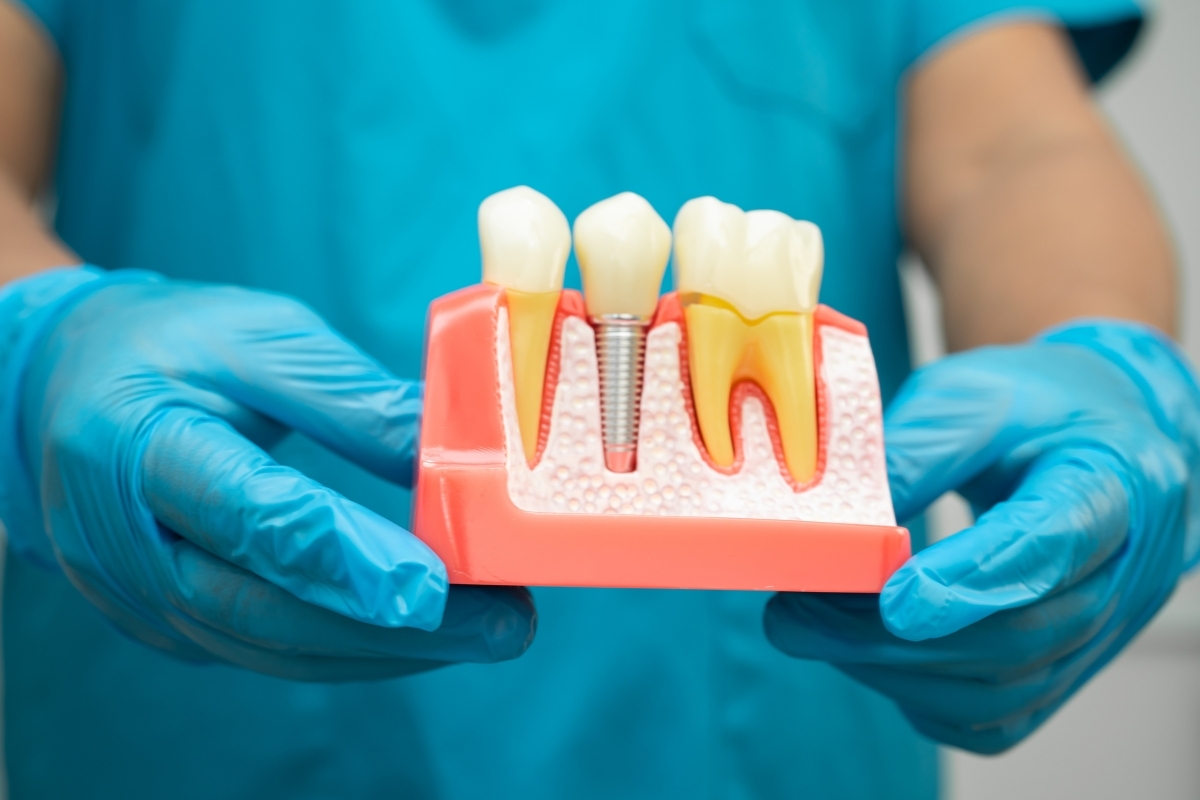
Dental implants are designed to be a permanent replacement for missing teeth. Unlike dentures, they’re surgically anchored into your jawbone, fusing with the bone over time in a process called osseointegration.
However, “permanent” doesn’t mean “indestructible.” Just like natural teeth, implants can be affected by plaque buildup, gum disease, and poor hygiene habits. Left unchecked, this can lead to a condition called peri-implantitis, an infection that damages the tissue and bone supporting the implant.
Understanding how to care for dental implants properly reduces this risk significantly and protects both your oral health and your wallet.
Daily Habits: The Foundation of Implant Care
Brush Twice a Day, the Right Way
Brushing remains your first line of defense. Use a soft-bristled toothbrush or an electric toothbrush with a sensitive setting to avoid scratching the implant’s surface.
- Brush for at least two minutes, twice daily
- Angle bristles toward the gumline to remove plaque
- Consider a toothbrush designed specifically for implant care
Floss Daily, Even Around Implants
Many patients assume implants don’t need flossing since they’re artificial. This is a myth. Plaque still builds up around the implant crown and gumline.
- Use unwaxed tape or implant-specific floss
- Try a water flosser for gentler, more thorough cleaning
- Focus on the base of the implant, where bacteria tend to gather
Rinse with an Antimicrobial Mouthwash
An alcohol-free antimicrobial rinse helps reduce bacteria without irritating the surrounding gum tissue. This small daily step goes a long way in preventing infection.
Long-Term Maintenance Tips
Schedule Regular Dental Checkups
Even with excellent home care, professional cleanings are essential. Your dentist can spot early signs of gum inflammation or bone loss before they become serious problems.
Most dentists recommend checkups every six months, though some patients with implants may need more frequent visits depending on their oral health history.
Avoid Hard and Sticky Foods
While implants are strong, excessive force from chewing ice, hard candy, or sticky caramel can damage the crown or loosen the implant over time.
- Cut hard foods into smaller pieces
- Avoid chewing on non-food items like pens or fingernails
- Be cautious with very hot or cold foods immediately after placement
Quit Smoking (or Avoid It Altogether)
Smoking significantly slows healing and increases the risk of implant failure. Nicotine restricts blood flow to the gums, making it harder for tissue to stay healthy around the implant site.
Watch for Warning Signs
Knowing how to care for dental implants also means recognizing when something isn’t right. Contact your dentist if you notice:
- Persistent swelling or redness around the implant
- Bleeding gums that don’t improve with better hygiene
- Looseness or shifting of the implant
- Unusual pain or discomfort while chewing
Catching these signs early can mean the difference between a simple fix and a more complex treatment.
Protecting Your Implants During Sleep
If you grind your teeth at night, this habit can put excessive pressure on your implant, potentially damaging the crown or the connection to the jawbone. A custom nightguard, fitted by your dentist, can protect both your natural teeth and your implants while you sleep.
Nutrition and Your Implant’s Longevity
What you eat affects more than just your waistline it impacts your oral health too. A diet rich in calcium, vitamin D, and phosphorus supports strong jawbone density, which helps keep your implant stable.
- Leafy greens and dairy for calcium
- Fatty fish and eggs for vitamin D
- Nuts and seeds for phosphorus
Staying hydrated also helps maintain healthy saliva production, which naturally washes away food particles and bacteria throughout the day.
The Role of Professional Cleanings
At-home care handles the surface level, but professional cleanings reach areas that brushing and flossing simply can’t. Dental hygienists use specialized tools designed specifically for implants, avoiding scratches that metal instruments might cause on natural teeth.
These cleanings also allow your dental team to monitor bone levels and gum health using X-rays, catching potential issues long before you’d notice symptoms yourself.
Common Patient Questions
How long do dental implants typically last?
With proper care, dental implants can last 20 years or longer many patients enjoy them for a lifetime. The crown portion may need replacement after 10–15 years due to normal wear.
Does it hurt to clean around dental implants?
No, cleaning shouldn’t cause pain. If you experience discomfort while brushing or flossing, it may indicate irritation or infection, and it’s worth mentioning to your dentist.
Can I get cavities in a dental implant?
The implant itself can’t decay since it’s made of titanium or zirconia, but the surrounding gum tissue and any remaining natural teeth are still at risk for disease if hygiene is neglected.
Is it normal for my implant to feel slightly different from natural teeth?
Yes, this is common, especially in the first few weeks. Most patients adjust quickly and report that their implant feels just like a natural tooth over time.
What happens if I don’t take care of my implant properly?
Neglecting implant care can lead to peri-implantitis, gum recession, or even implant failure, sometimes requiring costly corrective treatment or replacement.
Are electric toothbrushes better for implant care?
Many dentists recommend electric toothbrushes because they provide consistent, gentle pressure and are effective at removing plaque along the gumline without excessive scrubbing.
Final Thoughts: A Small Effort for a Lifelong Smile
Learning how to care for dental implants doesn’t require a complicated routine just consistency. Brushing, flossing, regular checkups, and mindful eating habits are usually enough to keep your implants healthy for decades.
Your smile is worth protecting, and a little daily attention goes a long way toward preserving your investment in your oral health.
Schedule Your Consultation Today
If you have questions about your dental implants or want a professional evaluation of your oral health, the team at Cielo Dental & Orthodontics in El Paso, TX 79932 is here to help.
Schedule your appointment today and let our experienced team guide you toward a healthier, longer-lasting smile.