6351 S Desert Blvd Ste 210, El Paso, TX 79932


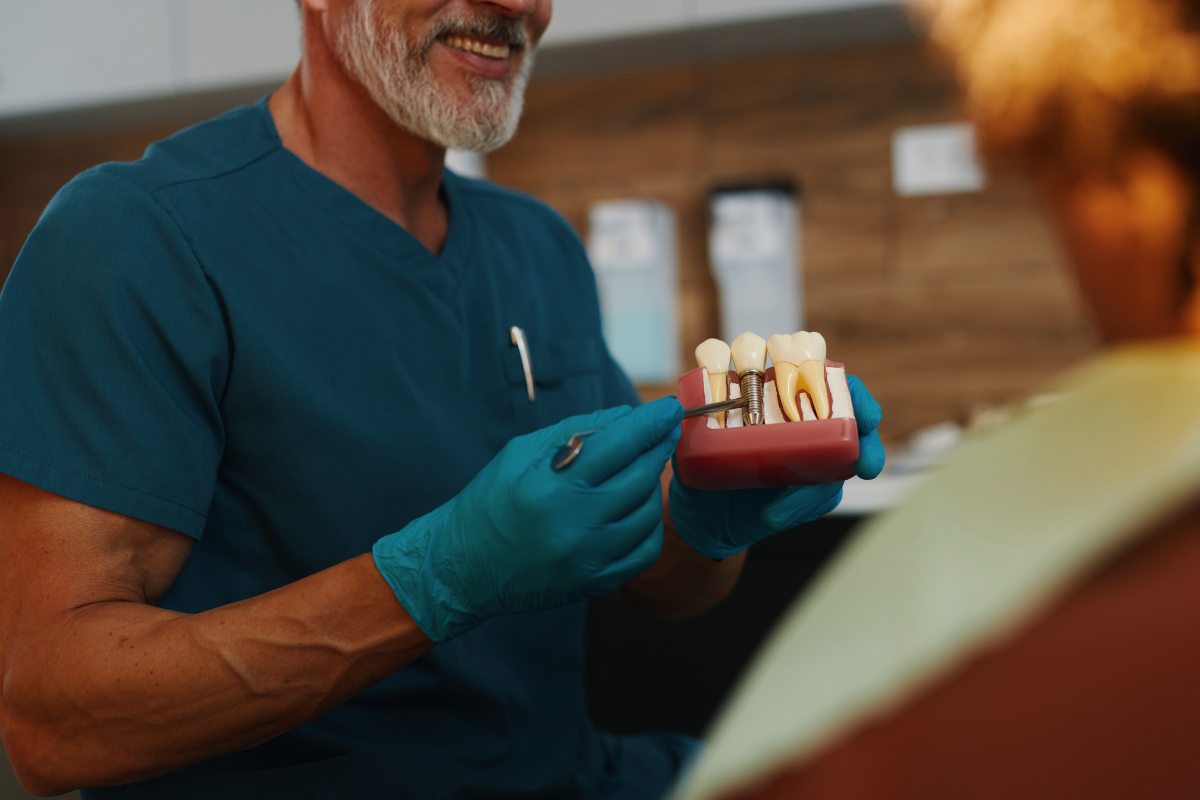
Bone loss in the jaw can make tooth replacement more complex. Many people lose bone after missing teeth for a long time. Some people experience bone loss as a result of gum disease. This condition can affect stability and limit treatment options. However, modern dentistry offers advanced solutions that help rebuild support and restore smiles. It can also make chewing and speaking more difficult. Early diagnosis helps prevent further damage. Dentists now use modern imaging tools to assess bone health accurately. Patients often worry about implant success when bone is weak. However, treatment options continue to improve with new dental technology.
Understanding bone loss and dental implants
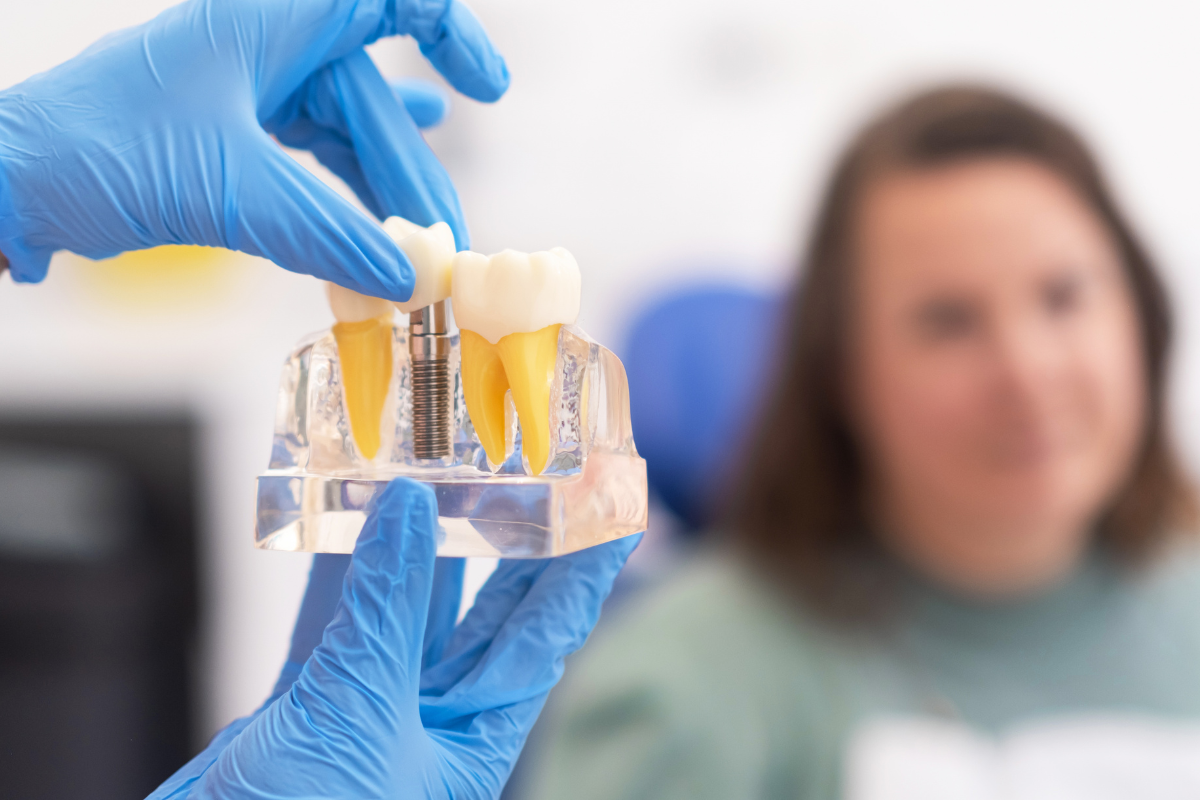
Many patients searching for dental implants in El Paso want to know if they are still eligible for treatment despite bone loss. A skilled Implants dentist can evaluate bone structure and suggest the right approach. In many cases, bone loss does not completely prevent implant placement. Advanced techniques can help prepare the jaw for long-term success. Treatment planning focuses on long-term stability. Patients may also receive preparatory procedures before implant placement. A thorough evaluation includes scans and clinical examination. This helps the dentist create a safe and effective plan.
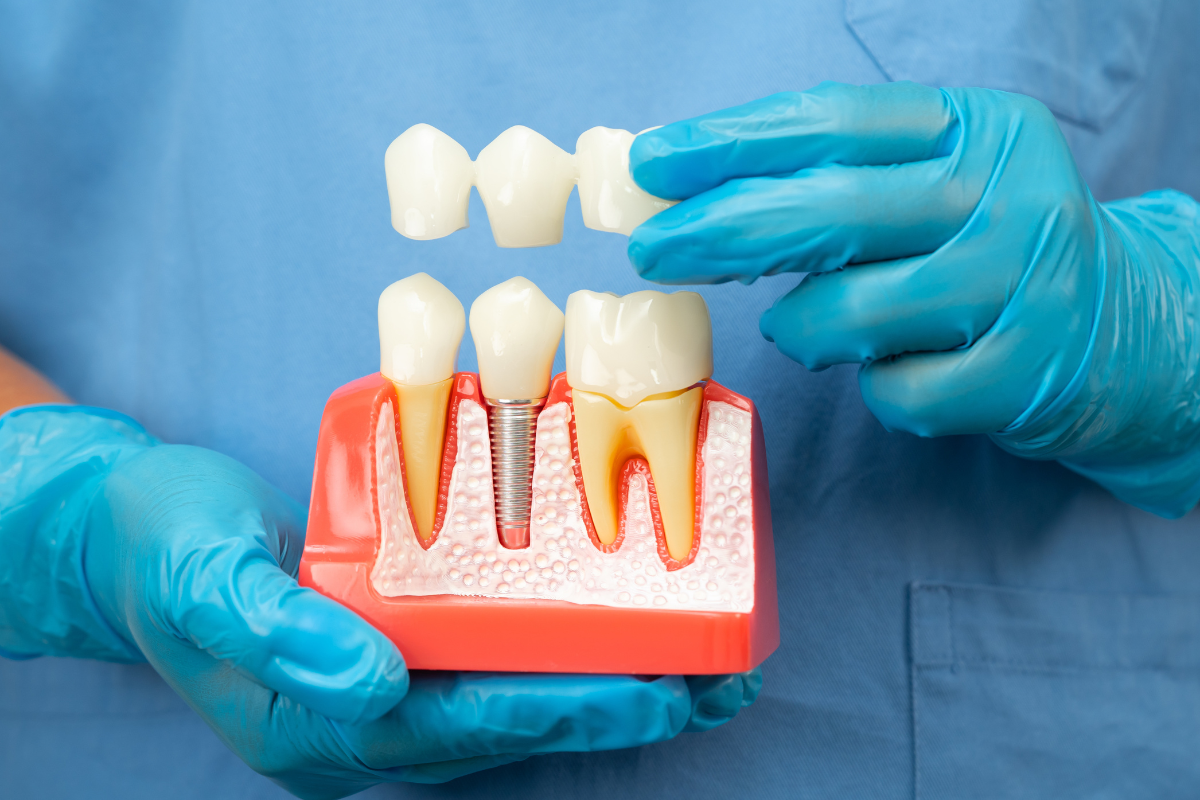
Bone loss happens when the jaw stops receiving stimulation from missing teeth. The bone slowly shrinks over time. This can make implant placement more challenging. However, a qualified Implants dentist can often find ways to rebuild bone support. Procedures like bone grafting help create a stronger foundation. Bone grafting can restore lost density in many cases. Healing time depends on the severity of bone loss. Healthy bone response is important for implant stability. Regular monitoring supports successful outcomes.
Can You Still Get Dental Implants with Bone Loss?
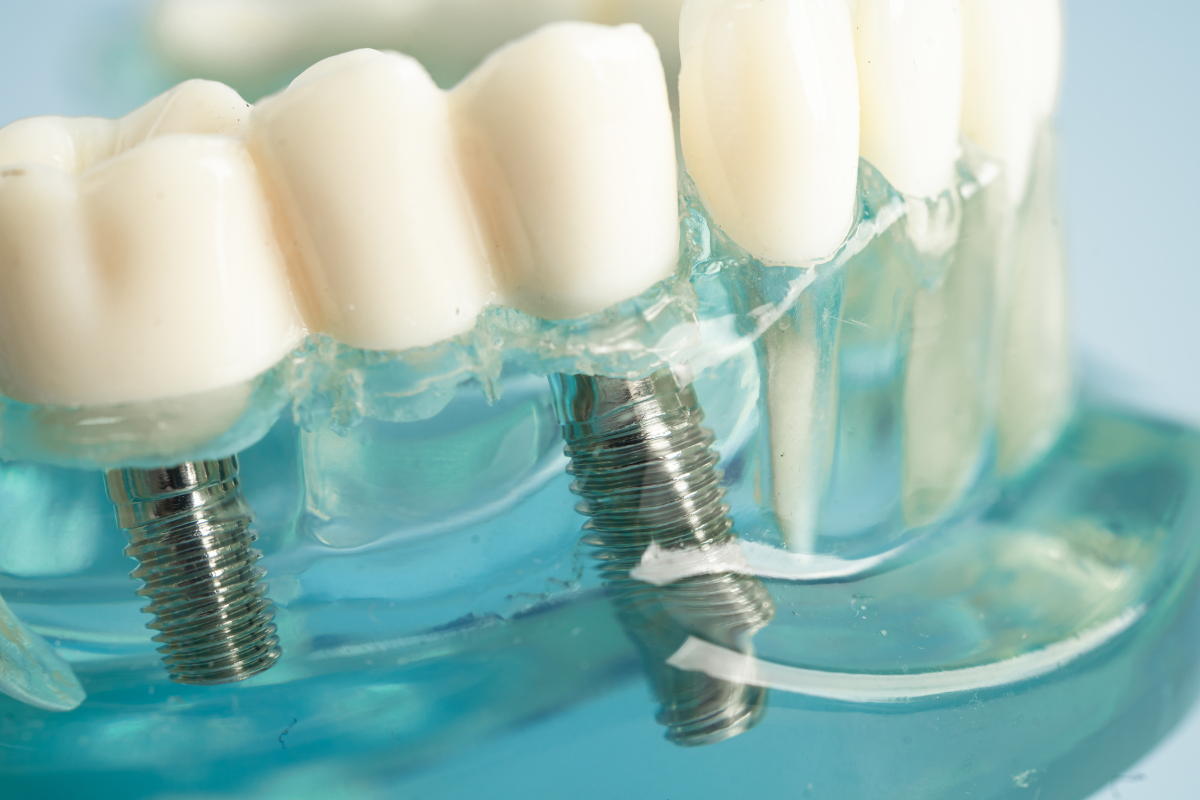
Yes, many patients can still receive Dental Implants in El Paso even with bone loss. The treatment plan depends on bone quality and overall oral health. Our Implants dentist may recommend bone grafting or sinus lift procedures. These treatments improve bone volume and allow stable implant placement. With careful planning, the chances of successful treatment remain very high. Some patients may need staged treatment for best results. Regular follow-ups ensure proper healing. 3D imaging helps improve accuracy during planning. It reduces risks and improves treatment success.
Here are the most common solutions:
Bone Grafting
New bone material is placed in the jaw to rebuild density before or during implant placement.
Sinus Lift
For upper jaw bone loss, the sinus floor is raised to create room for a successful implant.
Mini Implants
Smaller-diameter implants that work well when bone volume is limited but still present.
All-on-4 Implants
Four strategically angled implants support a full arch often without needing a graft.
What to Expect from the Process
Your journey starts with a full evaluation. An implants dentist will take 3D X-rays or a cone beam CT scan to measure your bone volume precisely. From there, your treatment plan is customized to your exact situation.
If a bone graft is needed, you’ll typically wait several months for the graft to fuse before the implant is placed. The full process can take anywhere from a few months to over a year, depending on how much rebuilding is required. But the result a permanent, natural-feeling tooth is worth the wait.
Ready to Explore Your Options?
At Cielo Dental & Orthodontics, we focus on restoring healthy, confident smiles, even in complex dental cases. Schedule your consultation today.
Frequently Asked Questions(FAQ’S)
How long does a bone graft take to heal before implants can be placed?
Bone graft healing typically takes 3 to 6 months. During this time, the grafted material fuses with your natural jaw bone, creating a strong foundation for the implant post. Your dentist will monitor progress with follow-up X-rays before proceeding.
Are All-on-4 implants a good option for people with bone loss?
Yes. All-on-4 implants are specifically designed to work with limited bone volume. The four implants are angled to maximize contact with the available bone, often eliminating the need for bone grafting. It’s one of the most popular options for patients with significant bone loss.
How long does healing take after bone grafting?
Healing time depends on the severity of bone loss. It can take a few months for full recovery.
What causes bone loss in the jaw?
The most common cause is tooth loss when a root is no longer present, the jaw bone beneath it slowly shrinks. Gum disease, infections, trauma, and wearing ill-fitting dentures can also accelerate bone loss over time.