6351 S Desert Blvd Ste 210, El Paso, TX 79932


Walk into any high school today and you will notice something different about the students who are in orthodontic treatment. Fewer metal brackets. Fewer wires. A growing number of teenagers are straightening their teeth with something barely visible, and their parents are asking the same question: why is this happening, and is it actually the right call?
The shift is real. Teenagers across the country are moving toward clear aligners in larger numbers every year, and the reasons go well beyond aesthetics. If your family is weighing this decision, understanding what is actually driving that trend is the most useful place to start.
What Is Actually Pulling Teens Away From Braces?
The honest answer is a combination of lifestyle, confidence, and clinical advancement working together. A decade ago, clear aligner technology was largely considered an adult treatment. The systems were not built to handle the complexities of adolescent dentition, and most orthodontists steered teenage patients toward braces by default.
That has changed significantly. Modern aligner systems now include engineering specifically designed for teen patients, and the clinical outcomes for mild to moderate orthodontic cases are comparable to traditional braces. Teens are not choosing aligners instead of braces because aligners are easier. They are choosing them because the treatment fits their lives in ways that metal brackets simply do not.
The Real Reasons Teens Prefer Aligners
No food restrictions is the first thing most teenagers mention. With braces, the list of foods to avoid is long and enforced for the entire duration of treatment. Hard foods, sticky foods, anything that could snap a bracket or bend a wire is off limits. With aligners, the trays come out for every meal and the teenager eats whatever they normally would. For an active, social teenager, that freedom is not a small thing.
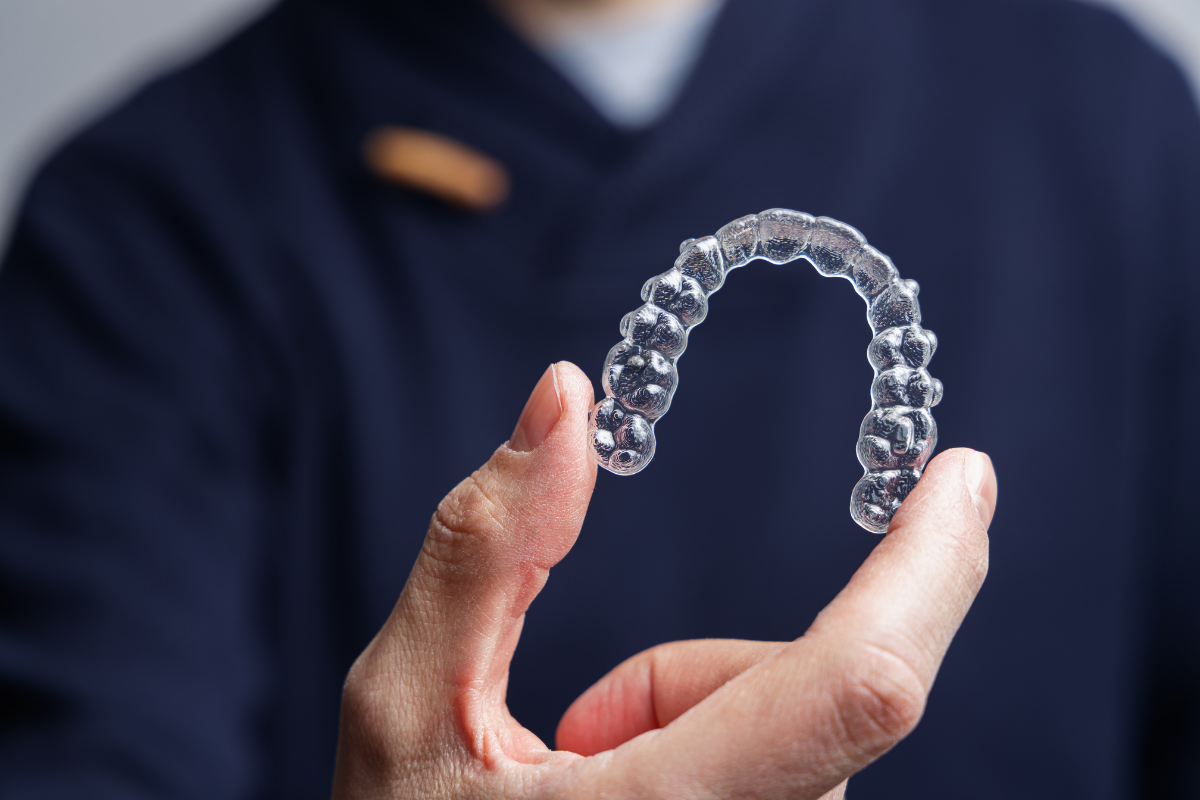
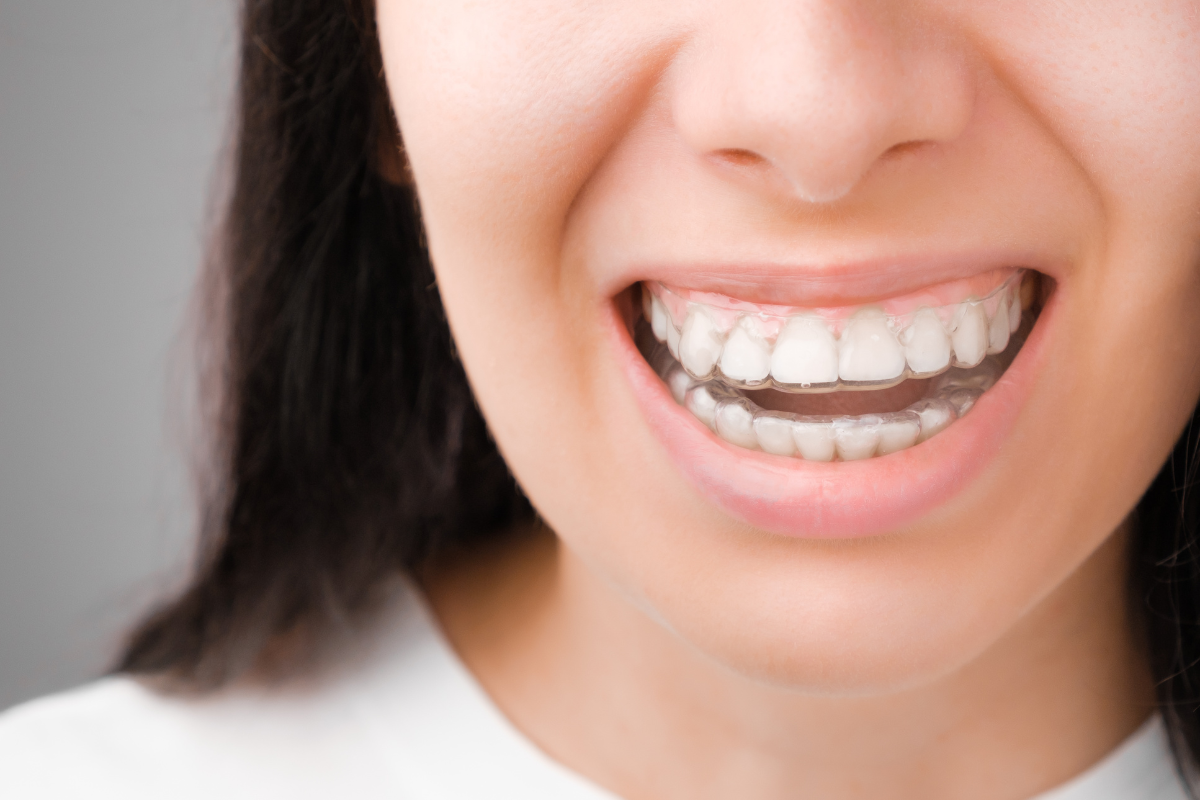
Appearance is the second factor, and it matters more than most adults give credit for. The teenage years are a period when self-consciousness about appearance is at its highest. Clear aligner trays are nearly invisible in daily life, in classrooms, in photos, and in social settings where a mouth full of metal hardware would draw attention. Teenagers who might have resisted orthodontic treatment altogether have started treatment willingly because the visual impact is so minimal.
Sports and physical activities are another practical advantage. Traditional braces carry a real risk during contact sports. A hit to the mouth can drive a bracket into soft tissue and cause serious lacerations. Many orthodontists recommend removing aligners during contact sports and wearing a mouthguard instead, which protects the teeth without the injury risk that fixed metal hardware creates.
For teenagers who play musical instruments, particularly brass and woodwind, the absence of brackets and wires removes a major source of discomfort and sound interference. Most teen players adapt to aligners within a few weeks with no lasting impact on their playing.
Oral hygiene is genuinely easier to maintain. Cleaning around metal brackets requires special floss threaders, interdental brushes, and significantly more time. With aligners, the trays come out, teeth are brushed and flossed normally, the trays are cleaned, and everything goes back in. Teenagers who struggle to maintain oral hygiene with braces often do measurably better with aligners simply because the routine is less demanding.
What Parents Need to Know Before Saying Yes
The lifestyle benefits are real, but aligners come with a non-negotiable requirement that braces do not. The trays must be worn for 20 to 22 hours every day. A teenager who removes them at lunch, forgets them after sports practice, and leaves them out during social events will not get the result the treatment promises. Unlike braces, which work continuously regardless of patient behaviour, aligners only work when they are actually in the mouth.
This is the honest conversation every parent needs to have before committing. Teenagers who are organised, who take ownership of their responsibilities, and who genuinely want straighter teeth tend to do well. Teenagers who need daily reminders for most tasks may find that braces deliver more predictable results simply because the compliance is built in.
Teen-specific aligner systems address this concern partly through compliance indicators. Invisalign Teen, for example, includes a small blue dot on each tray that fades to clear with wear. Parents and treating doctors can check the tray to get a practical read on whether the teen is actually wearing it as prescribed, without relying entirely on the teenager’s word. Replacement aligners are also included at no extra cost, which matters for teenagers who occasionally lose or damage a tray.
What Conditions Can Teen Aligners Actually Treat?
Families considering clear aligners for teens in the El Paso area will find that the range of treatable conditions is broader than most people expect. Crowding, spacing, mild to moderate overbites, underbites, and crossbites are all within scope for a well-planned aligner treatment. The full treatment sequence is mapped digitally before the first tray is made, meaning both the teen and the parents can see the projected movement from start to finish before committing to anything.
More complex cases involving significant jaw discrepancies or severe bite misalignment may still require traditional braces or a combined approach. A proper clinical evaluation is the only way to know with certainty which option fits the teenager’s specific situation.
Book a Consultation and Discover Your Teen’s Orthodontic Options
At Cielo Dental and Orthodontics, Dr. Galloway and Dr. McBride use iTero digital scanning to evaluate teen cases in full before making any recommendation. The practice offers clear aligners for teens as well as Invisalign Teen and traditional braces, meaning the recommendation is based entirely on what suits the patient rather than what the office happens to offer exclusively. As a trusted dentist in El Paso working with adolescent patients across the area, the team takes the teen’s lifestyle, activity level, and maturity into account alongside the clinical picture when mapping out a treatment plan. Patients who come in asking specifically about clear aligners in El Paso often leave with a clearer understanding of all their options and a recommendation grounded in their actual teeth.
The teen years are one of the best windows for orthodontic intervention. Because the jaw is still developing, corrections that become more complex and time-consuming in adulthood can often be handled more efficiently at this stage. Starting treatment during the growth phase generally produces faster results and reduces the likelihood of needing more intensive correction later.
Frequently Asked Questions(FAQ’S)
At what age can a teenager start clear aligner treatment?
Most orthodontists recommend waiting until the majority of permanent teeth have erupted, which typically happens between ages 12 and 14. However, every teenager develops differently. Some patients are ready earlier and others benefit from waiting another year. A digital scan and clinical evaluation give the most accurate picture of whether a specific teenager is ready to begin.
How long does clear aligner treatment take for teenagers?
Treatment length depends entirely on the complexity of the case. Minor crowding or spacing issues can show significant improvement within six months. Most full treatment plans for teens run between 12 and 18 months. Consistent wear of 20 to 22 hours per day keeps treatment on schedule. Teenagers who skip wear time regularly will extend their treatment timeline, sometimes significantly.
Can my teenager play sports while wearing clear aligners?
For most sports, yes. Aligners can stay in during light to moderate physical activity without any issue. For contact sports, most orthodontists recommend removing the trays and wearing a properly fitted mouthguard during play to protect both the teeth and the aligner. After the activity, the trays go back in. The flexibility here is one of the genuine practical advantages aligners have over fixed braces.
What happens if my teenager loses an aligner tray?
With Invisalign Teen, replacement aligners are included at no additional cost, which accounts for the reality that teenagers occasionally lose or damage a tray. If a tray is lost, the teenager should move back to the previous tray and contact the practice as soon as possible to arrange a replacement. Leaving the gap unfilled for too long can allow teeth to shift and affect how the next tray fits.