6351 S Desert Blvd Ste 210, El Paso, TX 79932


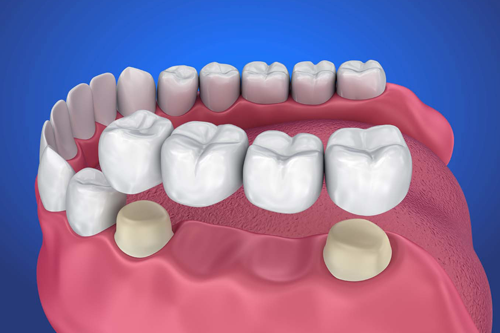
A tooth bridge is the ultimate solution for restoring a missing tooth, offering both functional and aesthetic benefits. However, like any dental restoration, it can face issues over time. Imagine spending time and money on your smile only to find that it isn’t performing as expected. For residents of El Paso, a treatment failure may be unexpected, but it can happen for a variety of reasons.
Whether you’re considering them or are already wearing one, understanding the potential causes of failure can help you take proactive steps to avoid them. In this blog, we will examine the primary factors that can cause a restoration to fail, providing practical advice to ensure the longevity of your restoration.
Common Causes of Dental Bridge Failure
While this treatment is a reliable solution, there are certain circumstances that could lead to its failure. Let’s dive into the key reasons why it might not hold up as expected.
Poor Oral Hygiene
One of the most common reasons it may fail is poor oral hygiene. It is like natural teeth, which require regular cleaning. If plaque and bacteria are allowed to build up around the bridge, the supporting teeth can begin to deteriorate. This leads to gum disease, decay, or even loosening of the restoration. If you live in El Paso, be sure to follow the routine care instructions provided by your dentist to keep your restoration in top condition.
Decay of Supporting Teeth
It relies on adjacent teeth for support. If these teeth suffer from decay or damage, the entire treatment may fail. Over time, the dental cement that holds the bridge in place can weaken, leading to its loosening. This issue is especially important in the city’s hot and dry climate, where foods and drinks like soda and coffee can increase the risk of tooth decay.
Ready to Protect Your Smile? Schedule Your Visit Today!

Thanks for taking the time to learn more about what could cause a tooth bridge to fail and how you can keep your restoration strong for years to come. Understanding these key factors not only helps you protect your investment but also empowers you to make confident decisions about your oral health.
At Cielo Dental & Orthodontics, our experienced doctors —Dr. Dustin McBride, Dr. Nathan Galloway, and Dr. Valeria Quezada — are passionate about helping every patient achieve a healthy, long-lasting smile. With years of advanced training and a warm, patient-centered approach, they are committed to providing the guidance, care, and support you need to keep your bridge functioning beautifully.
Whether you’re noticing changes in your dental bridge, experiencing discomfort, or simply want expert advice, we’re here to help every step of the way.
So what are you waiting for? Let our trusted El Paso team help you protect your smile — schedule your visit today and take the next step toward stronger, healthier teeth!
We have taken our 2 year old here for dental visits since he was 6 months old. We have always had a great experience. Everyone is friendly, the location is clean, the dentist is very nice and knowledgeable, and we are in and out of our visits in a timely manner. The location is also convenient and they accept many insurances. I would 100% recommend this office to everyone! – Lluvia Durkes
Don’t just take our word for it — explore real patient Google reviews and see why so many trust us with their smiles.
Wear and Tear from Excessive Force
Sometimes, the failure of this treatment occurs due to excessive force. Habits like grinding your teeth (bruxism) or clenching your jaw can put undue stress on the bridge, causing it to crack or break. This is more common in individuals who have unaddressed stress or other sleep disorders, a problem that can affect your oral health without you even knowing it. For those in El Paso, it’s essential to manage stress or seek treatment for bruxism to avoid unnecessary strain on your dental work.
Misalignment or Poor Fit
If the restoration does not fit properly, it can lead to complications. A misaligned bridge can cause uneven pressure on the teeth and gums, leading to discomfort, irritation, and potential failure. An incorrect fit can also make it difficult to clean around the site, leading to decay or gum disease. Regular follow-up appointments with your dentist can help ensure that it continues to fit perfectly over time.
Age of the Dental Bridge
Like many things in life, it has a shelf life. Even with proper care, they can wear out after many years. The materials used to create, such as porcelain or resin, can degrade over time, especially when subjected to the stresses of everyday chewing. For this reason, you may need to replace or adjust them after 10-15 years.
Struggling to decide whether a bridge, implant, or denture is the better long-term solution? Check out our detailed guide that compares all three options to help you make the right choice.
How Can You Prevent Dental Bridge Failure?
Here are the tips you can maintain:
Regular Dental Visits: Visit your El Paso dentist for routine check-ups and cleanings to prevent decay and ensure they remain healthy.
Good Oral Hygiene: Clean them and the surrounding teeth thoroughly to prevent plaque buildup and gum disease.
Use a Nightguard: If you grind your teeth at night, consider investing in a custom nightguard to protect them from excessive pressure.
Stay Hydrated: Dry mouth can contribute to plaque buildup, so drinking enough water is essential for maintaining oral health.
Protect Your Smile with a Strong Bridge
A tooth bridge is the ultimate solution for missing teeth, but just like any dental restoration, it requires proper care to maintain its longevity. By being proactive in your oral health and following your dentist’s advice, you can enjoy a durable and reliable restoration for many years to come. If you are experiencing issues with them or want to learn more about dental restorations, contact Cielo Dental & Orthodontics today. Our team is dedicated to ensuring your smile remains healthy and strong.
FAQs
How long does a dental bridge last?
This restoration typically lasts 10-15 years, depending on how well you care for it and your oral hygiene habits.
Can a dental bridge be repaired if it breaks?
Yes, a dentist can often repair a broken restoration, depending on the extent of the damage. However, if the damage is severe, a replacement may be necessary.
Is it possible to prevent gum disease around a dental bridge?
Yes, by practicing excellent oral hygiene, visiting your dentist regularly, and cleaning around the site effectively, you can minimize the risk of gum disease.
What can I do if my dental bridge feels loose?
If they feel loose, it’s essential to visit your dentist immediately. It may need to be re-cemented or replaced, depending on the condition of the supporting teeth.
Are there alternatives to dental bridges?
Yes, alternatives like dental implants or partial dentures may be considered, depending on your individual needs and the condition of your oral health.